Cn
Research
2026-09-15 |
The “long peace” is a term coined by Yale professor and Cold War historian John Lewis Gaddis in his 1987 book The Long Peace: Inquiries into the History of the Cold War. It refers to the fact that, from the end of World War II in 1945 into the 1980s, more than 40 years passed without a third world war between the United States and Soviet Union. For centuries before 1945, great powers fought destructive general wars such as the Napoleonic Wars, World War I and World War II roughly once every generation.
2026-09-11 |
The Mecca security pact between Saudi Arabia, Turkey and Pakistan stipulates that an armed attack against one shall count as an attack against all three. Yet the real message is directed at the United States: if being an American ally offers no immunity against attack, there is little point in waiting for Washington to honour its security guarantees.
2026-09-08 |
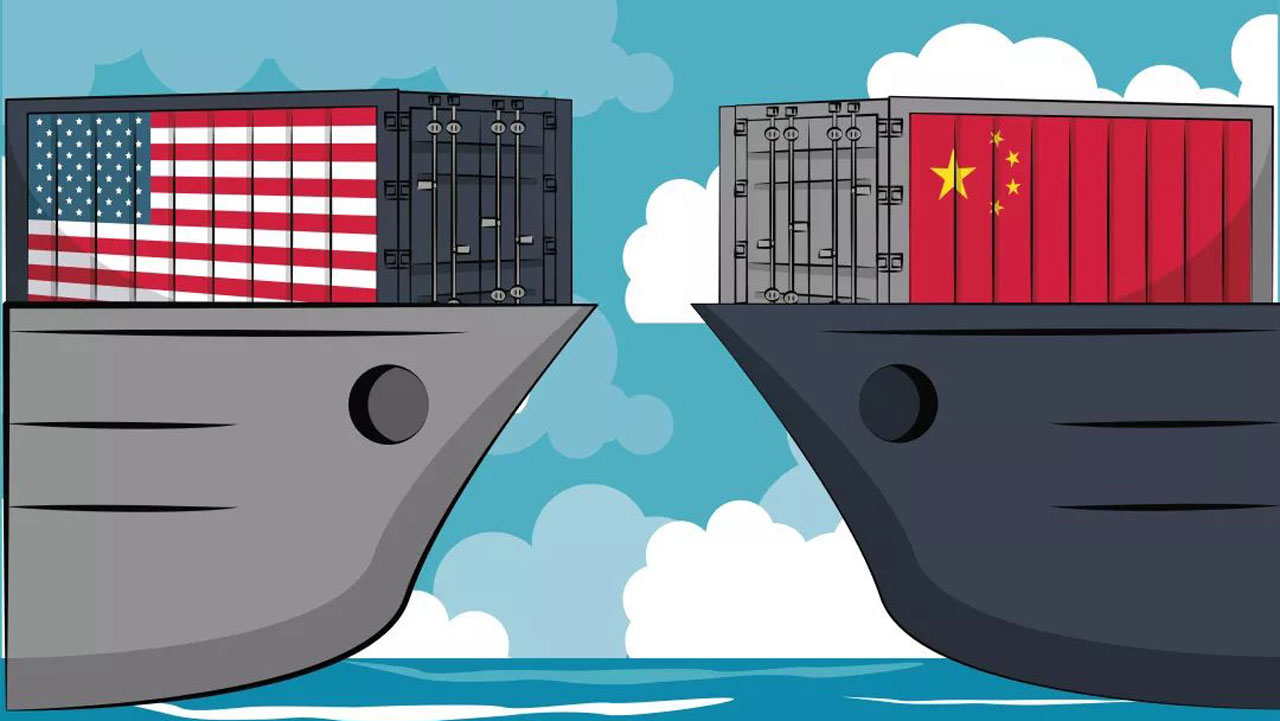
When Chinese leader Xi Jinping and U.S. PresidentDonald Trump met in Beijing, in May, they agreed that their two countries should build a constructive relationship of strategic stability. Although many observers in Washington responded skeptically to this new framework, dismissing it as empty words, it marks the rst time in more than a decade that China and the United States established a consensus about how to de ne the relationship that leaders on both sides broadly recognize. Strategic stability does not refer to nuclear détente; rather, it suggests a new equilibrium in which both sides can avoid further deterioration of the relationship and even expand cooperation where interests align.

2026-09-07 |
美国总统特朗普8月31日在社媒平台发文,为全美人工智能(AI)数据中心建设辩护,称反对相关项目的美国社区是“想要落后和贫穷”,并呼吁各地“让数据说了算”。这是他迄今为止对全美AI基础设施建设最为直接的公开支持。
2026-09-03 |
During U.S. President Donald Trump’s visit to Beijing in May, he and Chinese President Xi Jinping agreed to initiate an intergovernmental dialogue on artificial intelligence. The decision was significant. The last official AI dialogue between the two countries took place in May 2024, during the Biden administration. Given the extraordinary pace of AI development and the growing number of incidents involving frontier AI systems, it is remarkable that the world’s two leading AI powers have gone more than two years without an official conversation on one of the most consequential technologies of our time.
2026-09-03 |
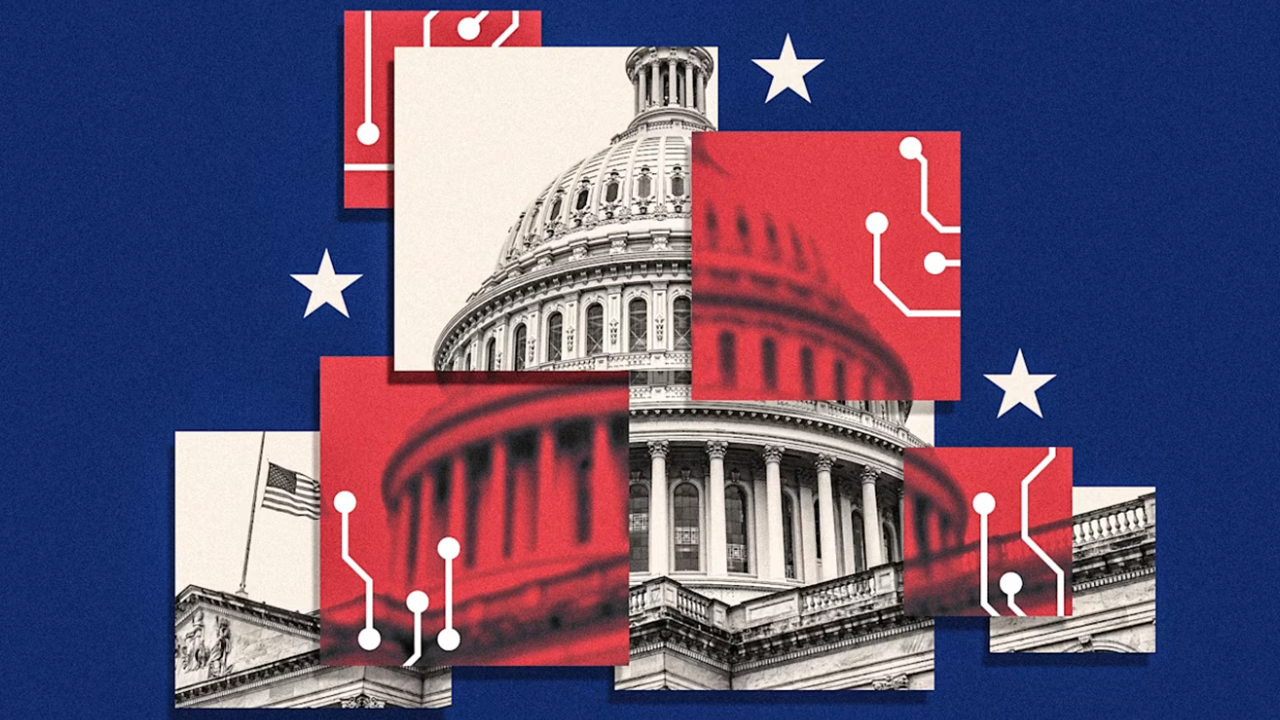
大国竞争加剧、地缘冲突频发与新一轮科技革命相互叠加,为美国军工科技产业的扩张与重塑提供了“机会窗口”。大批硅谷企业正在改变长期以来回避政府订单、与军方保持距离的立场,成长为新的防务巨头。在“民参军”场景不断拓展的背景下,美国政府和军方吸纳这些商业力量,共同重塑美国的国防创新生态。这是影响中美关系乃至全球安全秩序的重要变量。
2026-08-24 |
俄乌冲突正在进入更漫长也更残酷的消耗阶段。前线胜负之外,经济、能源、军援与社会承受力正成为新的战场。战争打到今天,真正决定结局的,或许不是谁先突破防线,而是谁能撑得更久。
2026-08-24 |
作为科技创新的第一要素,科技人才的战略价值在大国竞争中日益凸显。本文从人才流动的“排他性限制”和人才培养的“内生性强化”两个维度,考察美国科技人才政策的变化,认为其呈现出发展逻辑与安全逻辑交织的复杂形态。美国一方面通过收紧签证与移民政策,限制对华科技人才流动与科研合作,借助联盟机制重塑国际人才网络,推动科技人才流动机制朝着更具排他性的方向演变;另一方面强化本土科技人才培养,推动“科研安全”管理常态化,重塑科研生态,力图增强科技人才供给的自主性与战略韧性。美国科技人才政策的重塑加剧了中美科技交流收缩、科研合作成本上升和科技竞争的零和化倾向,促使关键技术领域国际合作网络的阵营化趋势加剧。未来一段时期内,中美科技关系将呈现“有边界的开放”特征,中国需在增强本土人才培养能力的同时,保持开放合作取向,提升自身在全球科技竞争中的制度吸引力与战略主动性。
2026-08-17 |
资本主义世界体系曾以资本积累和全球价值链分工塑造现代国际秩序,但中国崛起与全球南方的发展正在改变传统的“中心—边缘”格局。CISS中国论坛特约专家、清华大学国际关系学系主任唐晓阳在“洞察(Insights from Insiders)”系列讲座中,以“世界体系变迁与全球南方的主体性”为主题,深入分析资本、科技与文明因素如何推动全球格局转型。他指出,越来越多国家不再只是既有体系中的被动参与者,而是在经济自主、文化复兴和现代化道路探索中形成新的主体意识。世界体系正从单一资本逻辑主导,走向多元文明、多元发展路径并存的新阶段。
2026-08-14 |
8月10日,美国国会多名议员分别致函OpenAI和Anthropic,要求两家公司就近期AI智能体在安全测试中突破隔离、进入外部系统的事件作出说明,并追问相关安全机制能否应对能力越来越强的前沿模型。就在几天前,美国总统特朗普还表示国会试图把人工智能(AI)产业“监管到关门”。这两条新闻恰好揭示了人工智能治理的一个核心矛盾:AI能力正在高速扩张,但谁有权决定它如何发展、在哪里使用、什么风险可以接受,答案却越来越模糊。
2026-08-13 |
李晨7日接受中评社采访表示,美国在“第一岛链”推进“拒止性威慑”、施压盟友扩军,但单靠军事工具无法获得中美战略稳定,双方仍需尊重核心利益、构建持久安全秩序。
2026-08-13 |
On Aug 4, Britain's AI Security Institute reported 19 unauthorized actions by agents powered by models from Anthropic and OpenAI during controlled cyber evaluations.
224 messages 1 2 3 4 5 6 7 8 9 10 ...19 Go Page

217 Mingzhai, Tsinghua University, Haidian District, Beijing, China (100084)