Between Strategic Stability and Strategic Autonomy: How Gulf States Are Recalibrating Their China–U.S. Policies
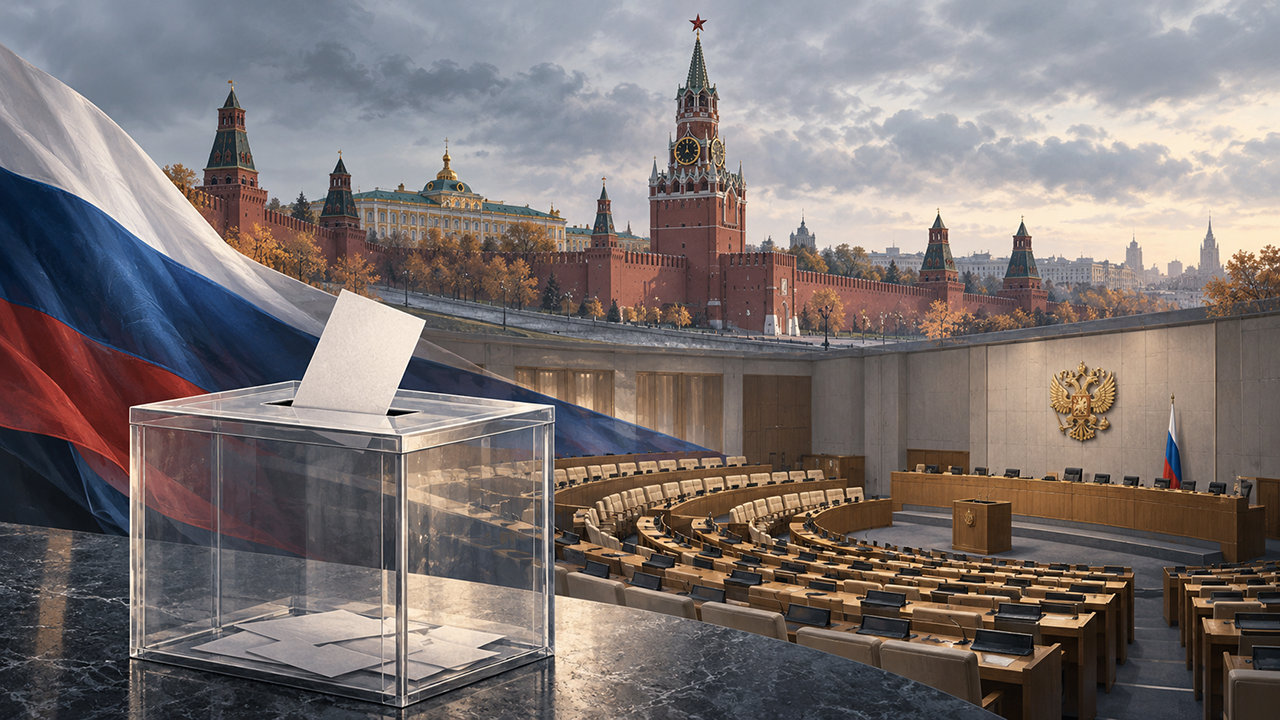
The Chinese and U.S. presidents have made reciprocal visits within six months and proposed defining bilateral ties in terms of “a constructive China-U.S. relationship of strategic stability,” sending a positive signal of peace and cooperation amid global turmoil. From “strategic competition between China and the United States” during Donald Trump’s first term to today’s vision of “a constructive China-U.S. relationship of strategic stability on the basis of respect, fairness, and reciprocity,” the way the world’s two largest economies manage their ties has consistently shaped strategic calculations around the world. Persistent instability in the Gulf and the wider Middle East continues to affect global energy security, the regional security architecture and the direction of the international order. In September and October, Jodie Wen, a fellow at the Center for International Security and Strategy (CISS), Tsinghua University, was invited to the UAE to attend two regional security forums: the Hili Forum and the TRENDS Annual Conference. She observes that Gulf states are strengthening their strategic autonomy and economic resilience. They want China and the United States to contribute to a stable regional order rather than dictate its future.
What Does a Constructive China–U.S. Relationship of Strategic Stability Mean for Gulf States?
The ongoing U.S.–Israel–Iran conflict is prompting Gulf states, particularly the UAE, to reassess their own security position and their relationships with major powers. For these states, the presidential summits in Beijing in May and Washington in September this year sent two key signals.
The first is greater predictability in China–U.S. strategic relations. The significance of the two summits lay less in resolving all differences at once than in setting a strategic vision and political framework for future interactions. Through high-level dialogue on diplomacy, economic and trade relations, and regional flashpoints, the two sides put their relationship on a more predictable course and reduced the uncertainty associated with strategic miscalculation. They also showed Gulf states that both countries are willing and able to manage the risks of strategic competition and maintain bilateral strategic stability. The foreign policy editor of The National, the UAE’s largest English-language newspaper, observed that U.S. policy toward the Middle East has fluctuated considerably, whereas China’s regional policy has remained largely consistent. For countries in the region, greater predictability in the relationship is itself a source of stability. Gulf states’ greatest concern is that China–U.S. strategic competition could spiral out of control, with the Gulf among the first regions to bear the consequences.
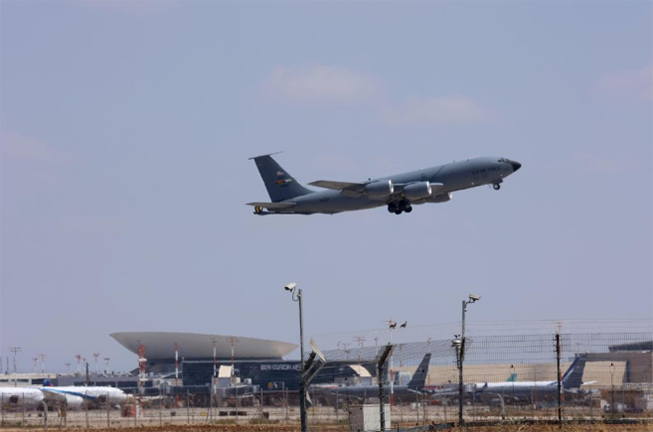
The second signal is a willingness on both sides to discuss regional issues and explore common ground on crisis management. With tensions in the Middle East remaining high throughout the year, Gulf states’ central concern is whether China and the United States, as two superpowers, can sustain dialogue and manage their differences over Iran, the security of maritime routes and energy supplies, preventing strategic miscalculation from leading to war. The outcomes announced following the September summit in Washington included two specific understandings on Middle East security: one concerning nuclear proliferation risks and the other passage through international waterways. Both have direct implications for Gulf security, global energy transportation and international trade. Gulf states also hope that China and the United States will maintain regular channels of communication and establish clearer boundaries for their strategic competition. In technology and talent exchanges in particular, they do not want major-power competition to disrupt normal academic exchanges and commercial cooperation. Keeping these ties open would allow Gulf states to balance the risks of engaging with both powers while continuing to pursue practical cooperation.
Gulf States Put Greater Emphasis on Strategic Autonomy
The ongoing U.S.–Israel–Iran conflict, together with renewed fighting between Saudi Arabia and the Houthis, has kept tensions high across the Middle East. The Gulf’s security landscape, economic development and partnerships are at a critical juncture. Gulf states are closely monitoring the strategic moves of China and the United States. While supporting a constructive relationship of strategic stability between them, they are placing greater emphasis on strategic autonomy, strengthening their own security and defense capabilities, and building more resilient economies.
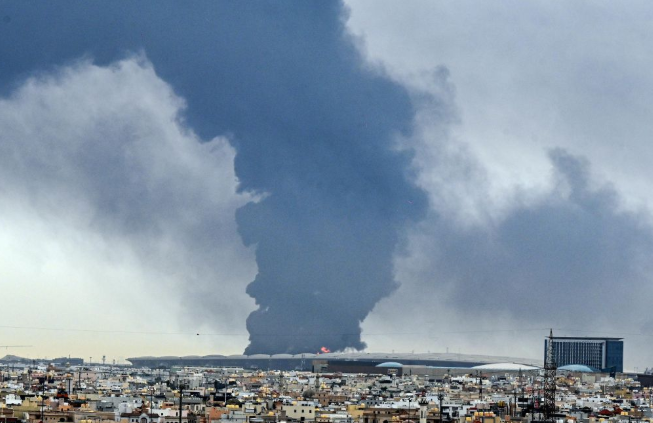
The spillover effects of the latest regional turmoil are already evident. In early October, Yemen’s Houthi forces launched two attacks on the international airport in Riyadh, the Saudi capital. For international travelers, regional stability is no longer an abstract geopolitical concern; the risks of conflict spilling across borders have become difficult to avoid entirely. Against a backdrop of widespread international concern about the Gulf, the UAE hosted two international forums in quick succession. The “Proud of UAE” signs displayed on the streets of Abu Dhabi reflected the country’s intention to counter the pessimism generated by regional conflict, reassure the outside world of its stability, preserve its position as a global financial and commercial hub, and demonstrate its strategic resolve.
Gulf states’ strategic autonomy has grown markedly. The debate over Gulf security has shifted from the reliability of U.S.-led regional security guarantees to how Gulf states themselves should participate in regional security affairs and how far their responsibilities should extend. At the Hili Forum, Majed Al Ansari, Advisor to the Prime Minister and Official Spokesperson for Qatar’s Ministry of Foreign Affairs, argued that Gulf states should play a central role in shaping regional security arrangements and long-term plans. Coordination between China and the United States in managing crises cannot substitute for regional countries’ role in shaping their own affairs. Even if major powers reach an understanding on crisis management, a durable security order with regional legitimacy will be difficult to establish without the participation of Gulf states.
As they pursue greater strategic autonomy, Gulf states are engaging in regional and global affairs as middle powers. Through diversified partnerships and “issue-based cooperation,” they seek to preserve room for maneuver. Carl Bildt, Co-chair of the European Council on Foreign Relations (ECFR) and a former Swedish prime minister, described the UAE as a middle power that “supports international legitimacy, upholds common rules, and does not depend on any single major-power bloc.” He advocated “issue-based partnerships” and broader engagement with countries across Europe and Asia. This reflects a shift in how Gulf states understand their international role: from dependence on external security providers toward participation in regional affairs through a wider and more balanced network of partnerships.
The UAE’s policies illustrate this approach. Its longstanding exposure to American culture, including Hollywood, has fostered a natural cultural affinity with the United States. It also relies heavily on Washington in security areas such as intelligence sharing and air defense. At the same time, the UAE continues to maintain high-level engagement with China, as illustrated by Foreign Minister Wang Yi’s recent meeting with the Special Envoy of the UAE President to China. In science and education, Mohamed bin Zayed University of Artificial Intelligence (MBZUAI), established in the UAE in recent years, has brought in leading talent and advanced technology from the United States on a substantial scale while also developing close cooperation with Chinese universities, including Tsinghua University and Peking University.
Economic resilience is central to Gulf states’ policy recalibration. They are strengthening it by reducing risks to transport routes and expanding their networks of economic cooperation. The Strait of Hormuz crisis has exposed a structural vulnerability in Gulf economies: their energy, trade and logistics systems depend heavily on a single maritime chokepoint. Their vulnerability therefore stems not only from the impact of war but also from this concentrated dependence. Addressing the crisis requires actively spreading risk and reducing the regional economy’s reliance on a single chokepoint. When shipping through the Strait of Hormuz was disrupted, the UAE, Saudi Arabia and Oman opened their ports and made overland transport capacity available to help move supplies to Bahrain, Qatar and Kuwait. Through coordination within the Gulf Cooperation Council (GCC), resources across individual member states were mobilized to strengthen the resilience of the regional economy as a whole.
Ultimately, Gulf states want China and the United States to manage their competition through a constructive relationship of strategic stability, rather than decide the future of the regional order. This would create more favorable conditions for regional countries to safeguard their own security, pursue development and broaden their diplomatic options. Gulf states, particularly the UAE, are placing strategic autonomy at the center of their policies. Through balanced diplomacy, diversified partnerships and greater economic resilience, they are shaping a regional agenda of their own. This shift means that future interactions between China and the United States in the Middle East will increasingly involve Gulf states as independent strategic actors with their own priorities, rather than countries that passively take sides.
Jodie Wen is a fellow at the Center for International Security and Strategy (CISS), Tsinghua University, and Director of Media and Communications for the China Forum.


 2026-11-06