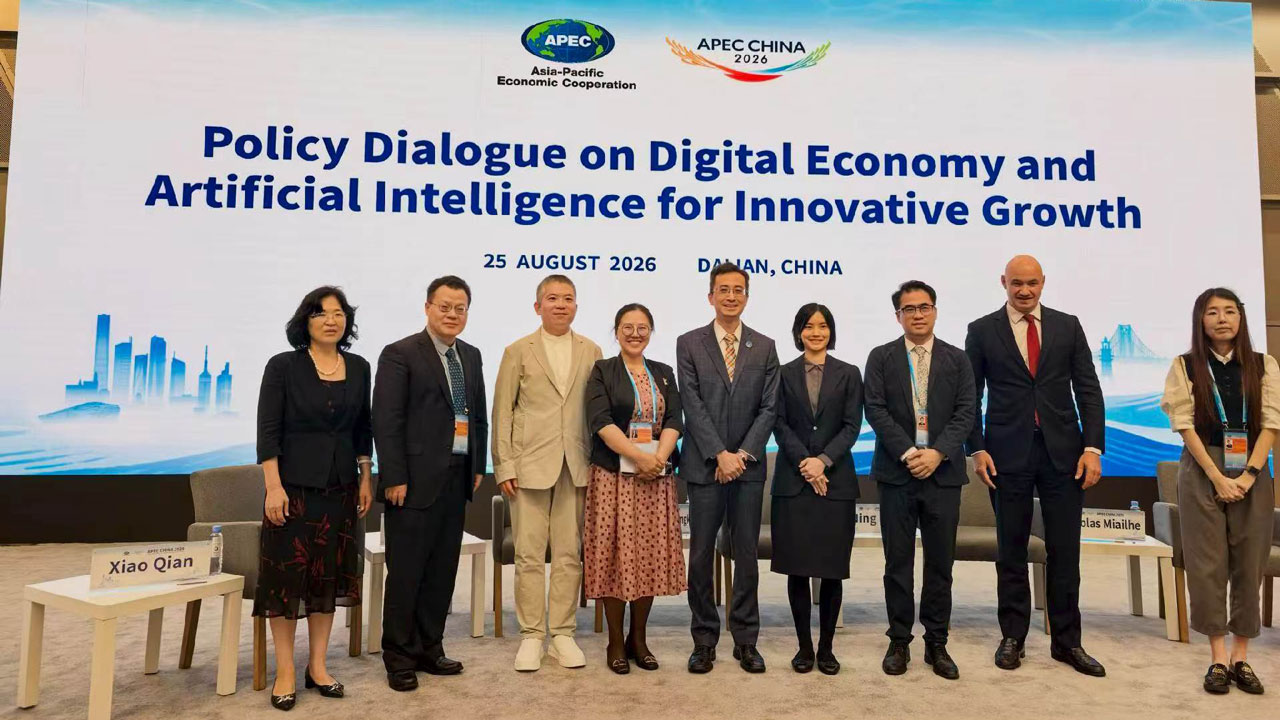
On the afternoon of August 25, the APEC Policy Dialogue on Digital Economy and Artificial Intelligence for Innovative Growth was held at the Dalian International Conference Center. Cheng Lie, China’s APEC Senior Official, delivered opening remarks, and Wu Hongliang, Director‑General of the International Cooperation Center of the National Development and Reform Commission, gave a keynote address.
On the afternoon of August 13, David Liang, Deputy Chief of Mission and Minister-Counsellor of the Embassy of Singapore in China, led a delegation including First Secretary (Political) Song Mingwei and First Secretary (Political) Will Lee to visit the Center for International Security and Strategy (CISS) at Tsinghua University.
On June 30, 2026, Dr. Robin Geiss, Director of the United Nations Institute for Disarmament Research (UNIDIR), delivered a lecture titled “Artificial Intelligence at the Crossroads of Peace and Security: A Multilateral Vision” as part of the 273rd session of the Tsinghua Global Vision Lecture.

中国和全球南方曾经都是殖民主义旧秩序的受害者与被压迫者,所以我们有很多共同的历史记忆。中国从鸦片战争后到二战结束,约100年时间里不间断地受到西方的侵略,签订了几十项不平等条约,割去了近500万平方公里的领土。现在中国领土约960万平方公里,被割去的部分相当于现有领土的一半。中国虽然整个国家没有灭亡,但属于半殖民地国家,所以这段历史在中国人民心中是铭刻在心的。
当前,全球人工智能治理已经从共识形成阶段进入制度建构阶段,治理节奏明显加快。今年2月,89个国家和2个国际组织签署印度《人工智能影响峰会宣言》,签署方数量创历史之最;5月,中美元首会晤同意开展人工智能政府间对话;7月6日,首届联合国人工智能治理全球对话在日内瓦举行;7月17日,习近平主席出席世界人工智能大会暨人工智能全球治理高级别会议开幕式并发表主旨讲话,世界人工智能合作组织同期在上海成立。习近平

8月20日,《人民日报》理论版刊发清华大学苏世民书院院长、公管学院教授薛澜,中国社会科学院习近平新时代中国特色社会主义思想研究中心特约研究员陈颖(清华公管学院博士毕业生)文章《以丰富国际公共产品供给引领人工智能全球治理》。特此转载,以飨读者。
The Sinopinion Podcast offers chinese perspective with global vision. It features conversations with experts from CISS Tsinghua, a research institute that analyzes international security and strategy issues based in Beijing. In the Podcast, scholars and experts will address their thinking on the most pressing challenges in international relations. It will also present China Forum series conducting one-on-one discussions with top-level officials, diplomats, well-known entrepreneurs, academics, and media experts from both China and abroad.
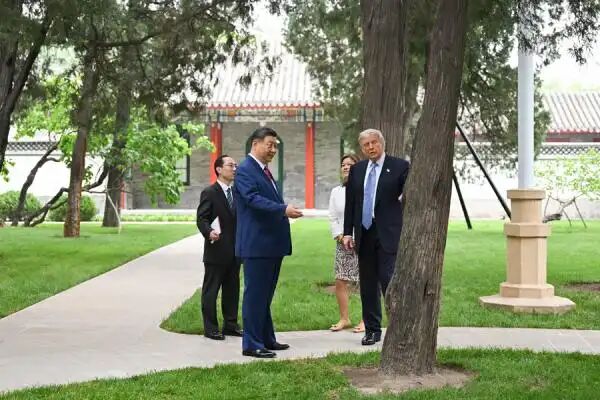
清华大学战略与安全研究中心研究专员、中国论坛特约专家周波在《南华早报》发文指出,特朗普二次访华虽以牛肉、豆类、波音订单等“5B”经贸成果为亮点,但核心突破在于双方确立“中美建设性战略稳定关系”新定位,美方首次正式承认中国的大国对等地位。 文章认为,中国实力上升、对美出口依存度下降是谈判底气所在。元首会晤虽未在台湾、伊朗议题上取得明显突破,但为分歧管控留出空间。周波判断,中美关系已进入即兴、摩擦但保持节奏的“爵士乐”式共存新阶段。中国论坛特此转发,以飨读者。
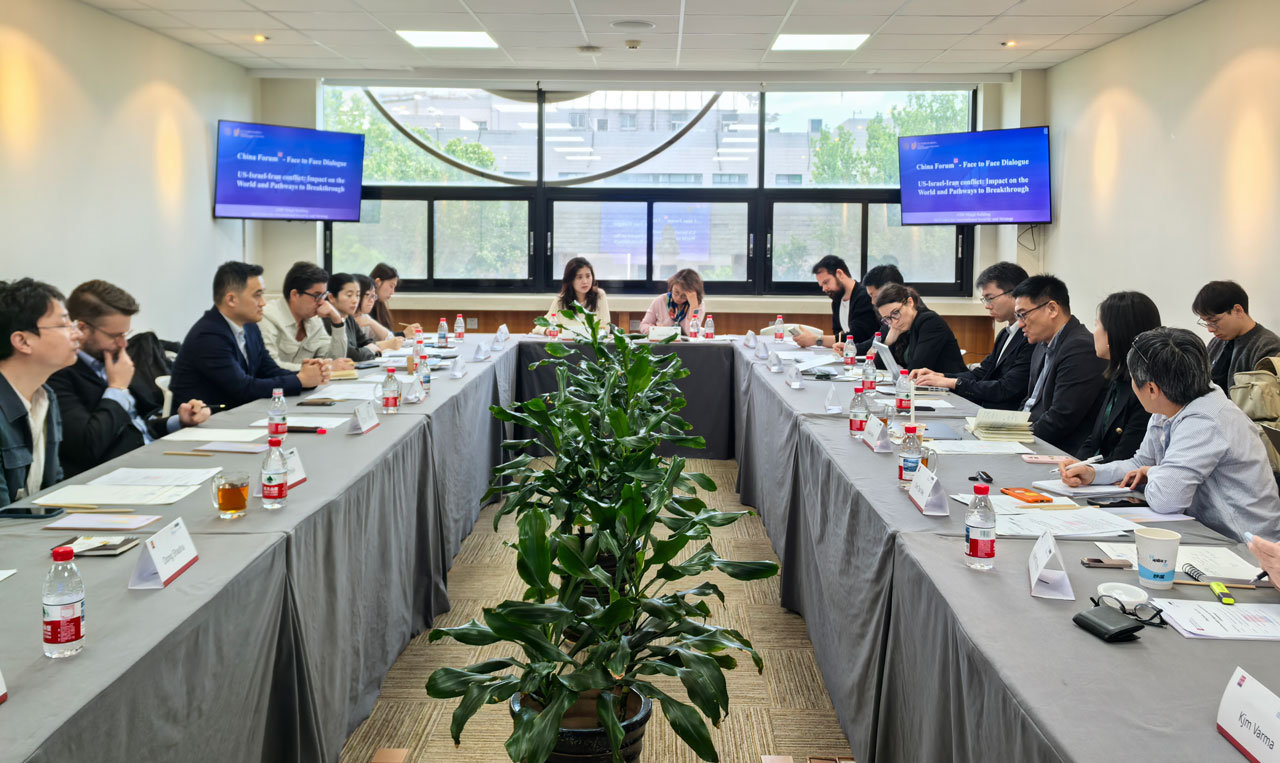
On April 28, 2026, the China Forum of the Center for International Security and Strategy (CISS) at Tsinghua University hosted its 10th "China Forum Face-to-Face Dialogue." Themed "The U.S.-Israel-Iran Conflict: Impact on the World and Pathw
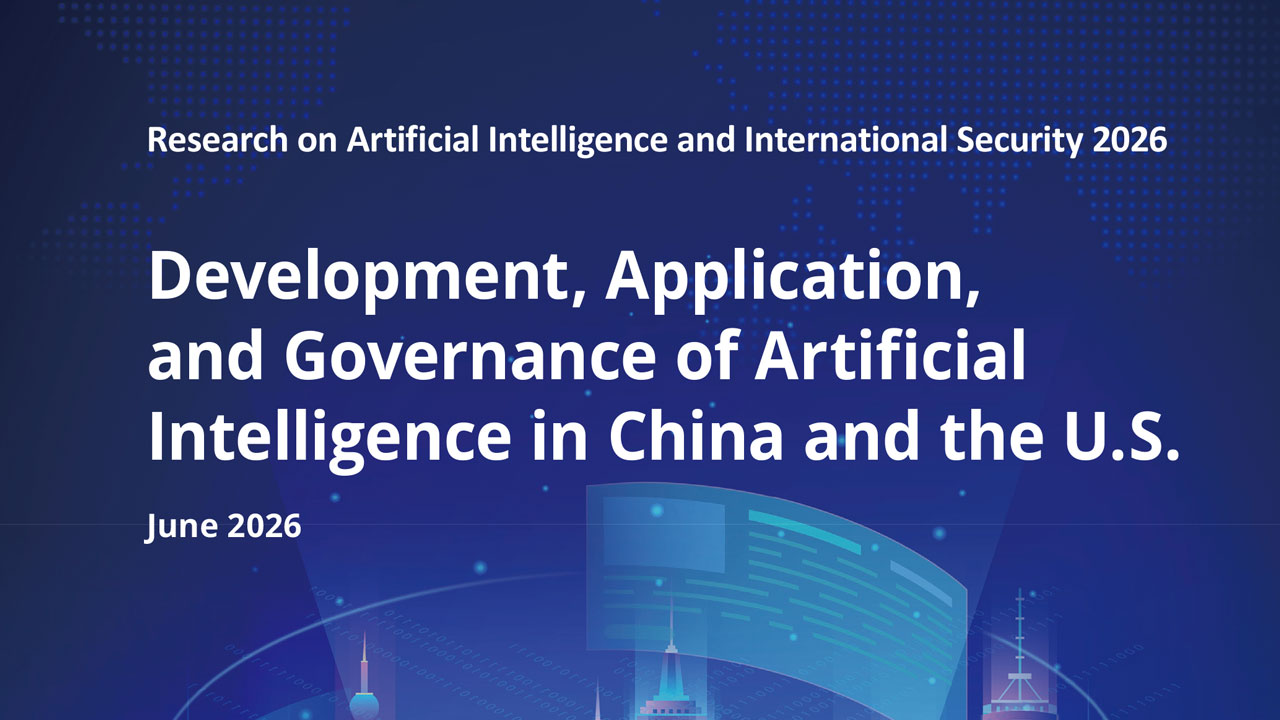
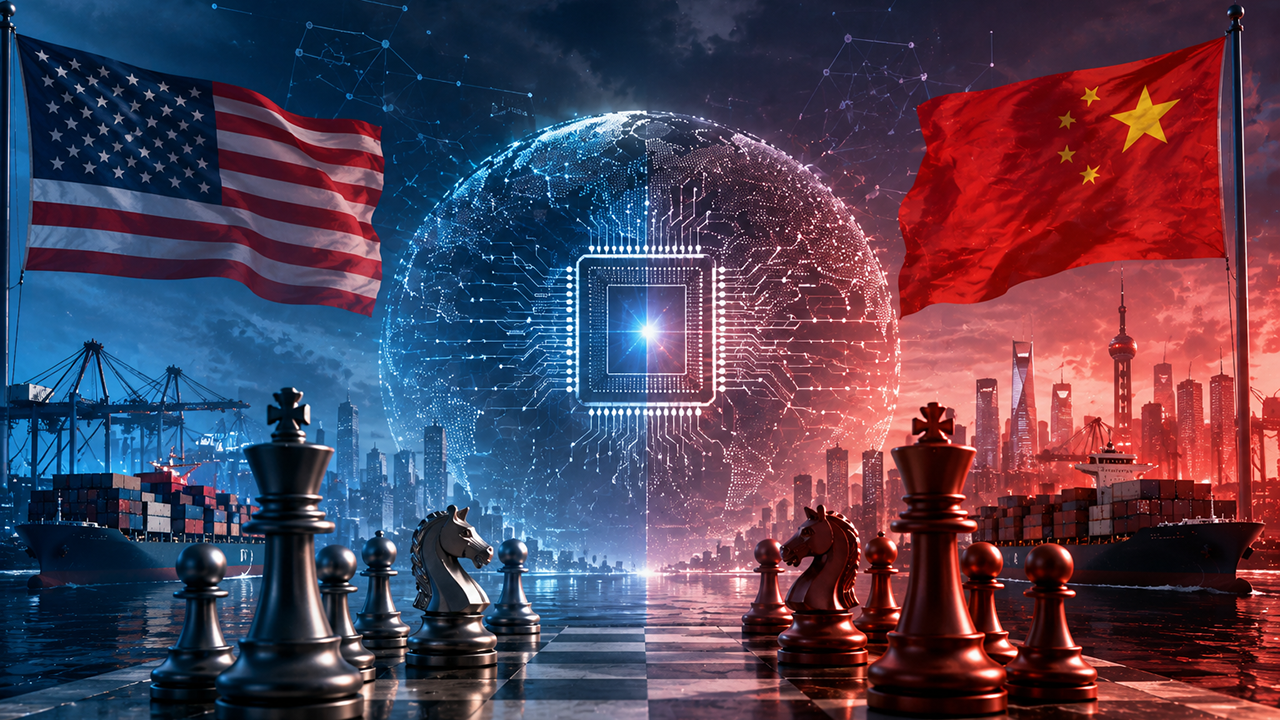
In May 2026, during their meeting in Beijing, the heads of state of China and the United States held constructive exchanges on artificial intelligence and agreed to launch an intergovernmental dialogu
Established on November 7, 2018, the Center for International Security and Strategy (CISS) of Tsinghua University is a think tank in the field of international security and strategy. CISS has two obje

CISS WeChat