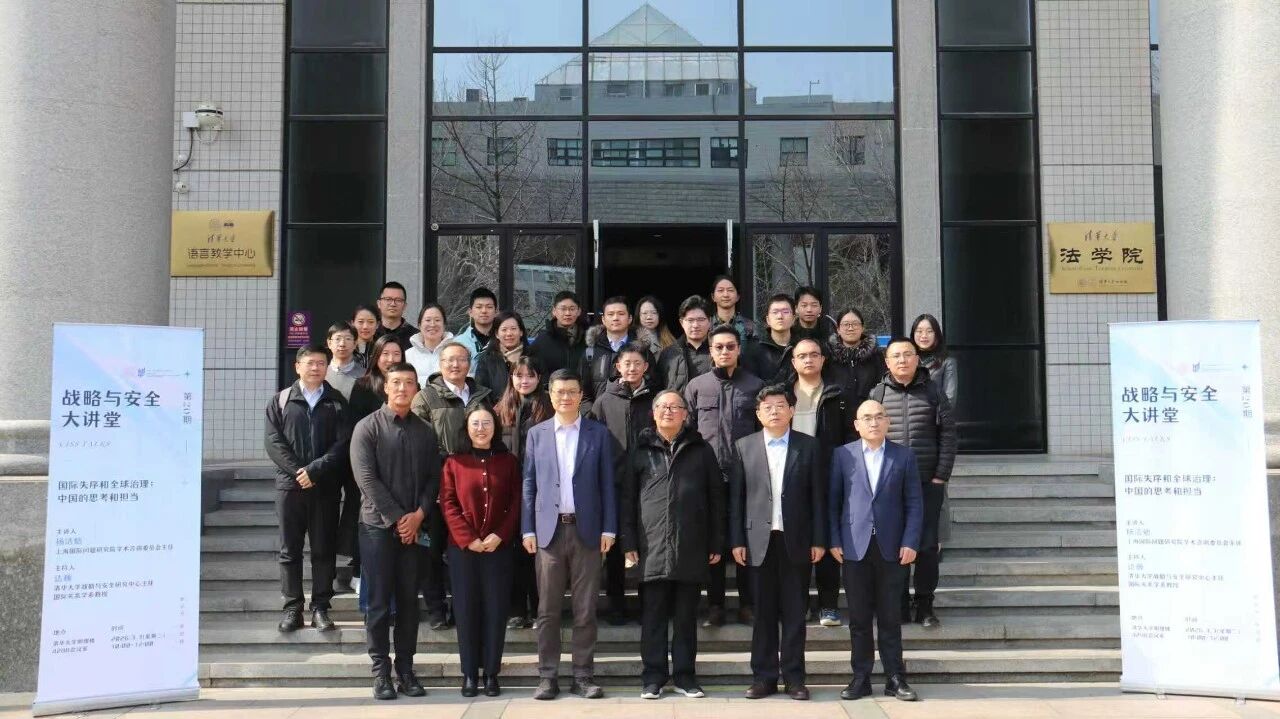
On March 3, 2026, the Center for Strategy and Security (CISS) at Tsinghua University successfully held the 20th session of the CISS Talks. The event was moderated by Da Wei, Director of CISS, and featured a keynote presentation by Yang Jiemian, Chairman of the Academic Advisory Council of the Shanghai Institutes for International Studies (SIIS), on the theme of "International Disorder and Global Governance: China's Reflections and Responsibilities." More than forty experts, scholars, and young students attended the session to participate in the discussions.
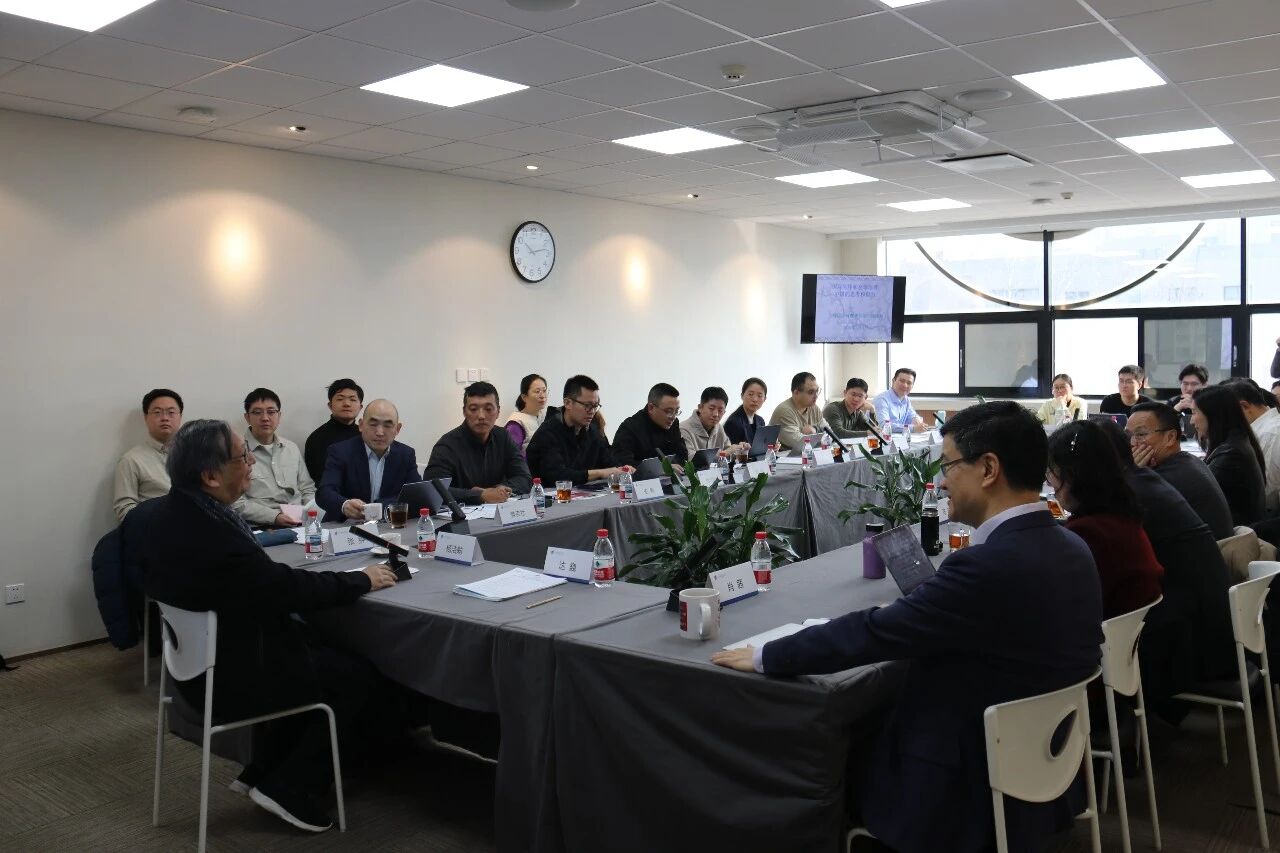
During his presentation, Yang Jiemian pointed out that the global community is currently experiencing widespread pressure from "disorder" as unilateralism and hegemonism challenge multilateralism, leading to the failure of global governance mechanisms and frequent regional conflicts and wars. He characterized the current international landscape as one where "a single superpower defends its supremacy while multiple powers seek strength," with the superpower striving to maintain its hegemony while other major powers seek growth and development. He noted that while "the East is rising and the West is declining" is a long-term trend, the reality of "a weaker East and a stronger West" remains the current situation, making the construction of a more just and reasonable global governance system a long and arduous process. Furthermore, he identified the trilateral relationship between China, the United States, and Europe as a key factor in the future global structure, noting that while the three parties share common interests in global governance and economic cooperation, they face deep-seated divisions regarding fundamental issues such as development philosophies and perceptions of the international order.
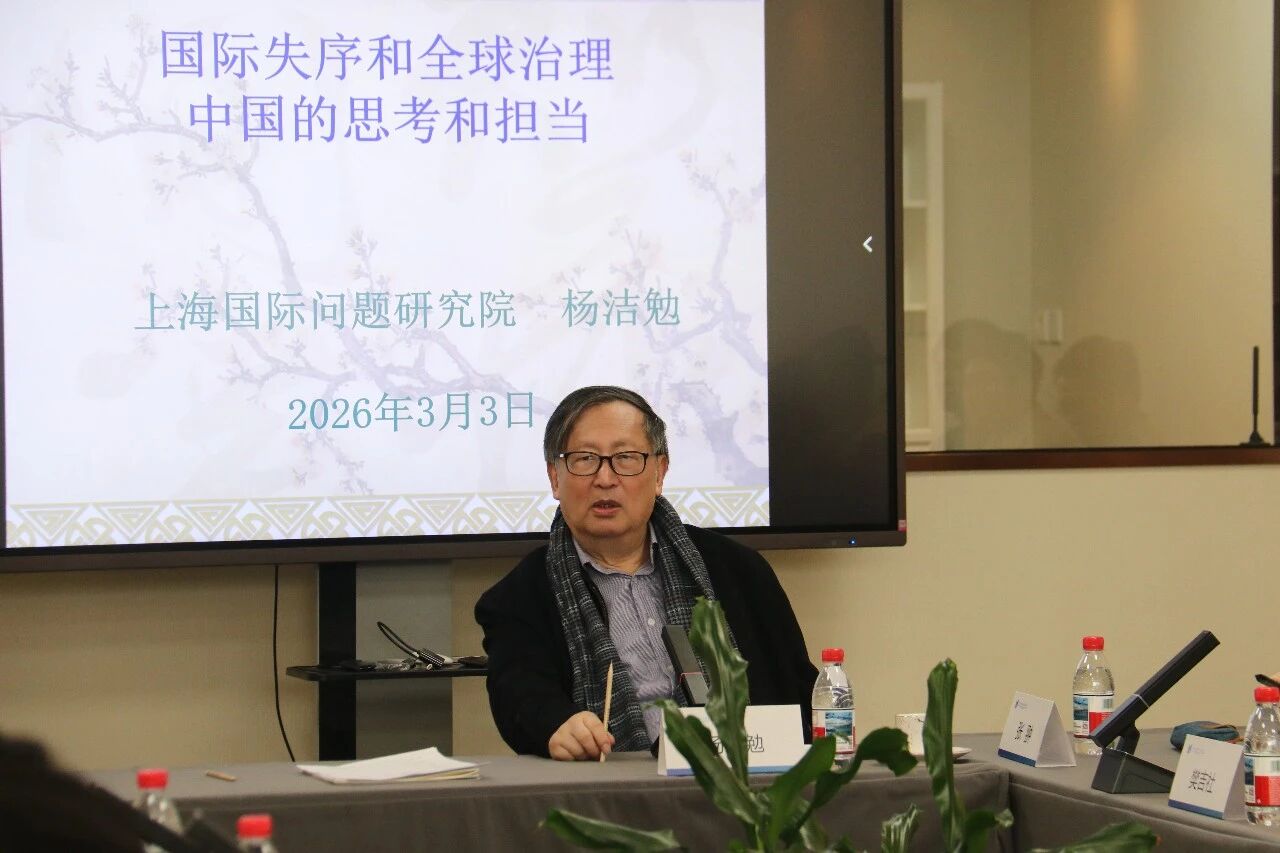
Yang Jiemian emphasized that China should actively explore the potential for trilateral cooperation while acknowledging these differences, particularly by promoting pragmatic cooperation in "low-politics" fields to build mutual trust through concrete results and provide stable momentum for the reform of the global governance system. He argued that China must consistently uphold the international system with the United Nations at its core, pushing it toward a direction of multi-party synergy, fairness, justice, and efficiency, while simultaneously preparing various contingency plans for a "post-UN era." Additionally, he stressed that China needs to focus on discourse construction and the exploration of practical paths in global governance, translating policy concepts into diverse expressions across academia, media, and educational materials. By telling China' s story through logic and methods that the international community can understand, China can effectively enhance its capacity for international communication and influence.
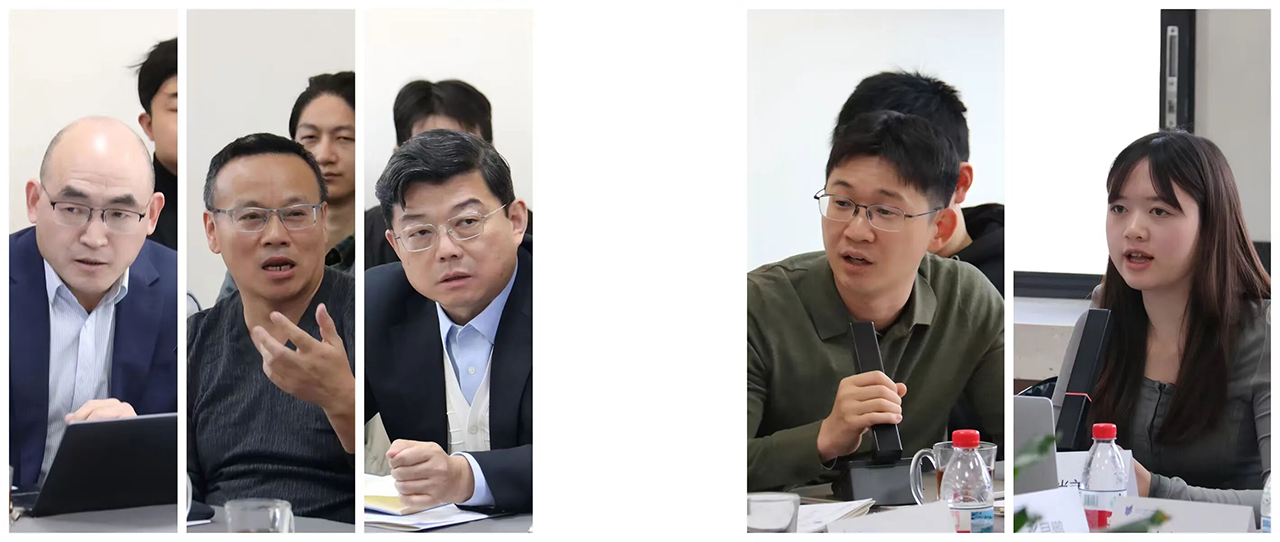
In the Q&A session, participating experts, scholars, and students engaged in active interaction. The discussion covered a wide range of topics, including the specific paths for global governance, the prospects of UN reform, and the profound impact of emerging technologies on international relations, leading to an in-depth and productive exchange of ideas.