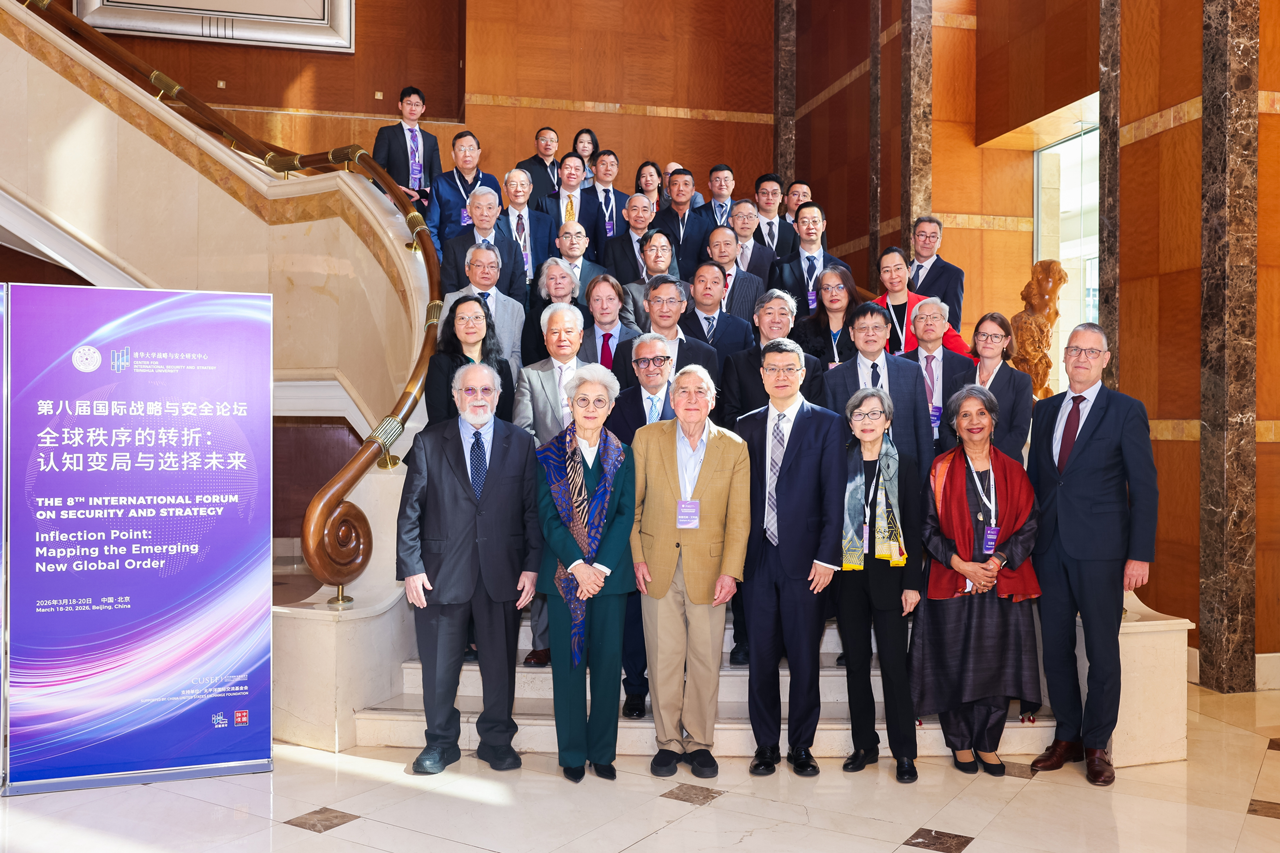
From March 18 to 20, 2026, the 8th International Forum on Strategy and Security, organized by the Center for International Security and Strategy (CISS) at Tsinghua University, was held in Beijing. The forum, themed “Inflection Point:Mapping the Emerging New Global Order” invited over 60 participants from countries including China, the United States, the United Kingdom, Russia, India, Germany, Switzerland, South Korea, and Singapore. Discussions were organized around five core themes: International Order, China–U.S. Relations, a Multipolar World, the Asia-Pacific Region, and Global Agendas. The forum received support from the China–U.S. Exchange Foundation (CUSEF).
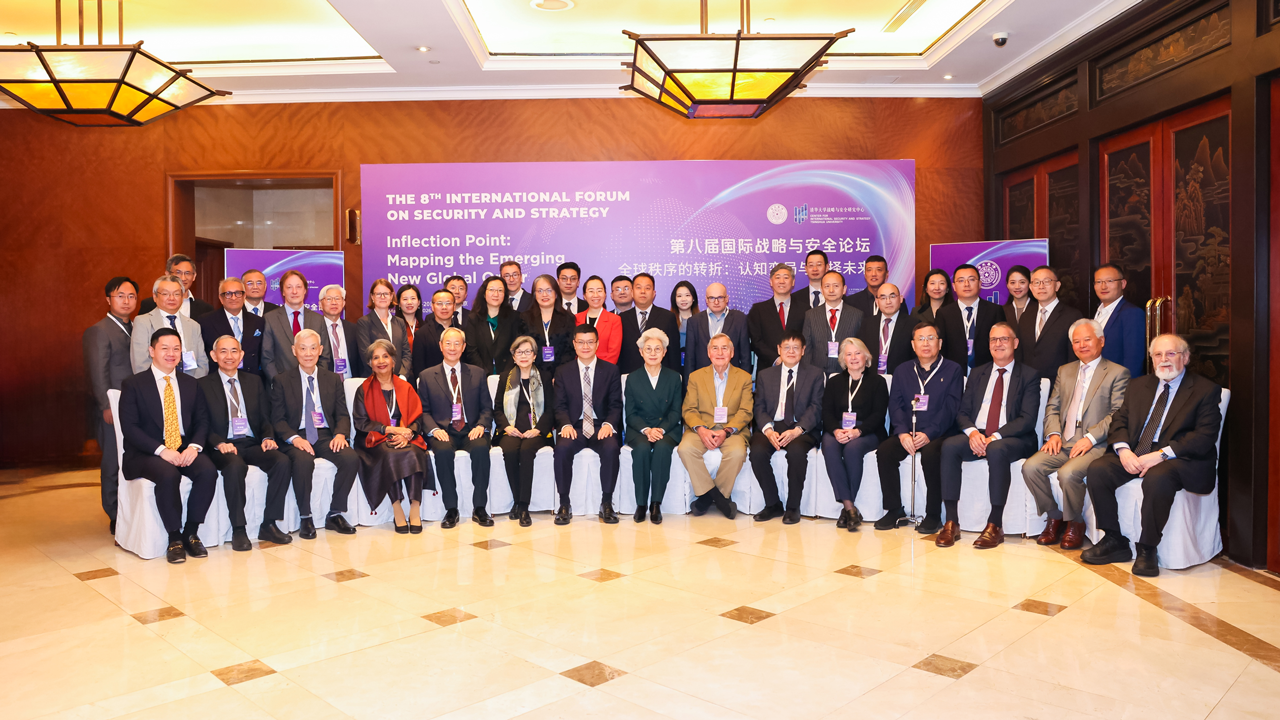
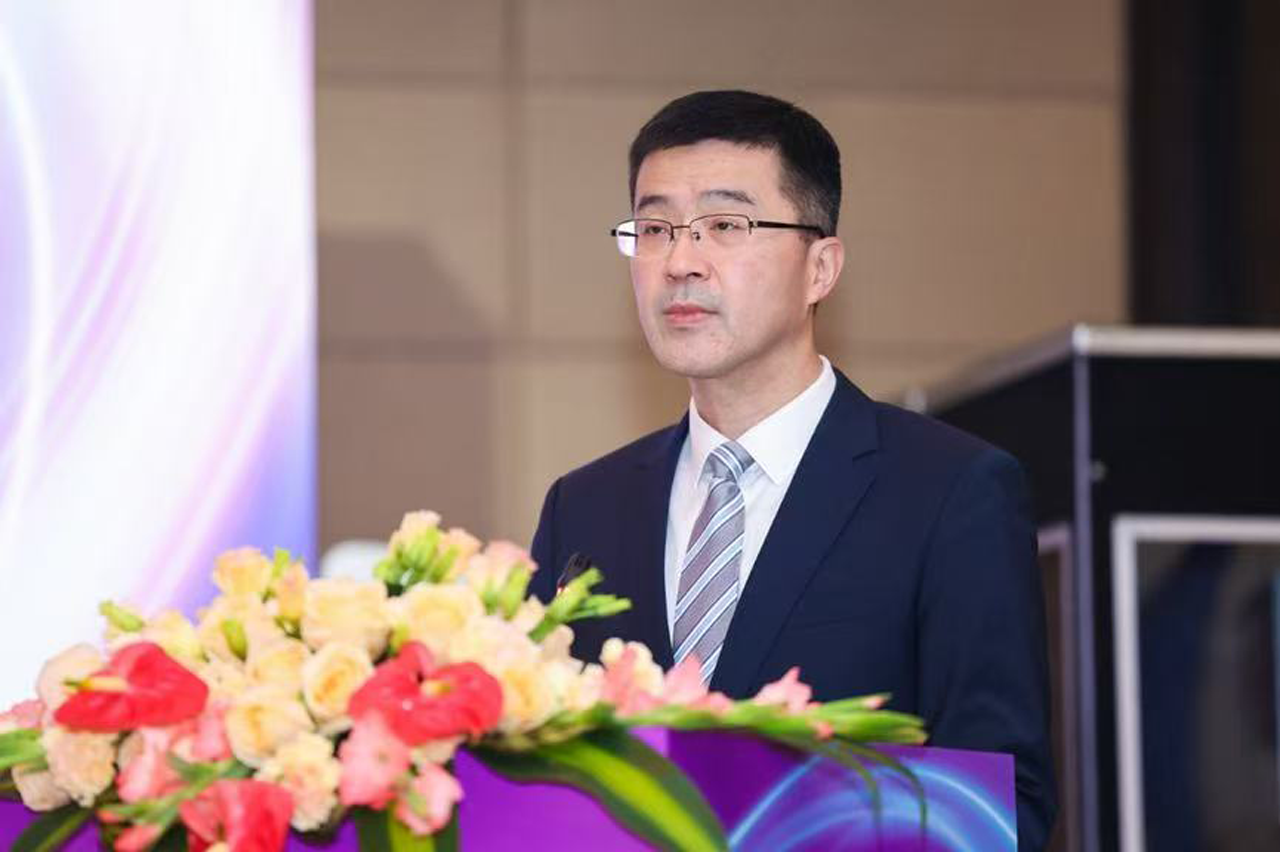
The forum officially opened on the morning of March 19, with the opening ceremony hosted by CISS Director Professor Da Wei. Guo Yong, Vice Chancellor, Tsinghua University Council, delivered the opening remarks, emphasizing the forum' s significance, affirming the contributions of CISS in policy research and international exchanges, and warmly welcoming both domestic and international participants.
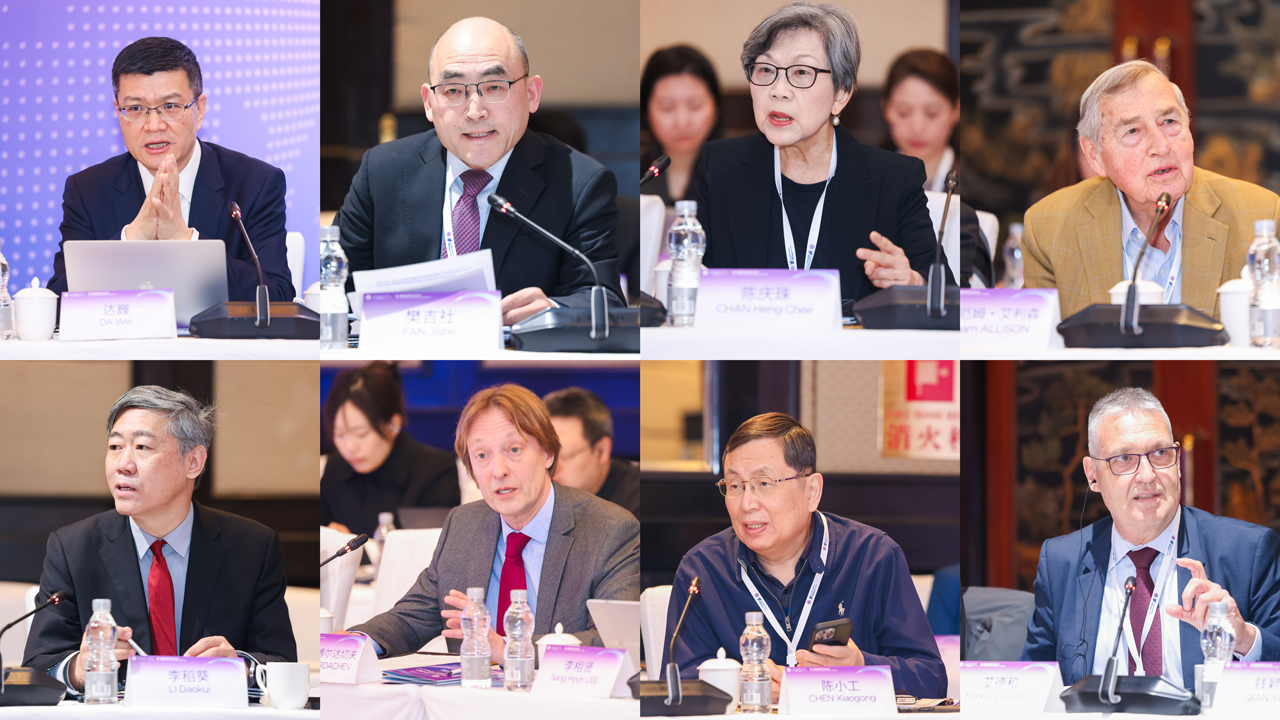
The first session, titled “Global Order in Transition: Consensus and Divergence,” was moderated by Da Wei. Guiding speakers included Fan Jishe, Chan Heng Chee, Graham Allison, Li Daokui, Timofei Bordachev, Chen Xiaogong, and Markus Ederer. Experts noted that the international order is undergoing a significant turning point, with multipolar tendencies becoming increasingly evident. They broadly agreed that the post-World War II order, particularly after the Cold War, has experienced profound transformations, and that the current world is in a transitional period. Multiple forces are driving changes in the international order, presenting both challenges and opportunities.
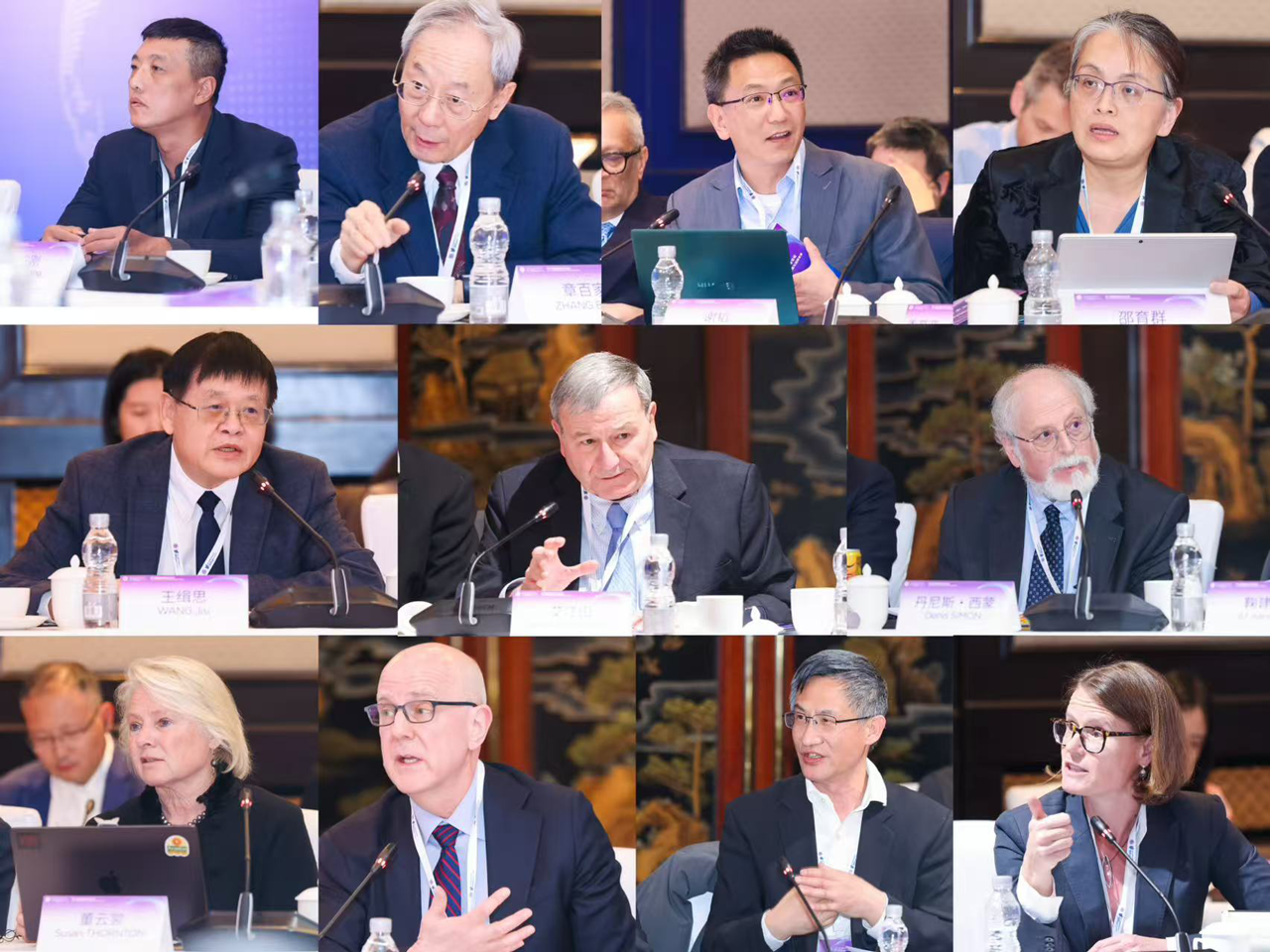
The second session, themed “China-U.S. Relations: Short-term Opportunities and Long-term Stability,” was moderated by CISS Special Expert An Gang. Guiding speakers included Wang Jisi, Karl Eikenberry, Zhang Baijia, David Meale, Xie Tao, Susan Thornton, Ju Jiandong, Denis Simon, Shao Yuqun, and Sarah Beran. Experts agreed that leadership summits provide opportunities for China–U.S. relations, but that rapid changes in the global landscape and multiple influencing factors contribute to ongoing uncertainties.
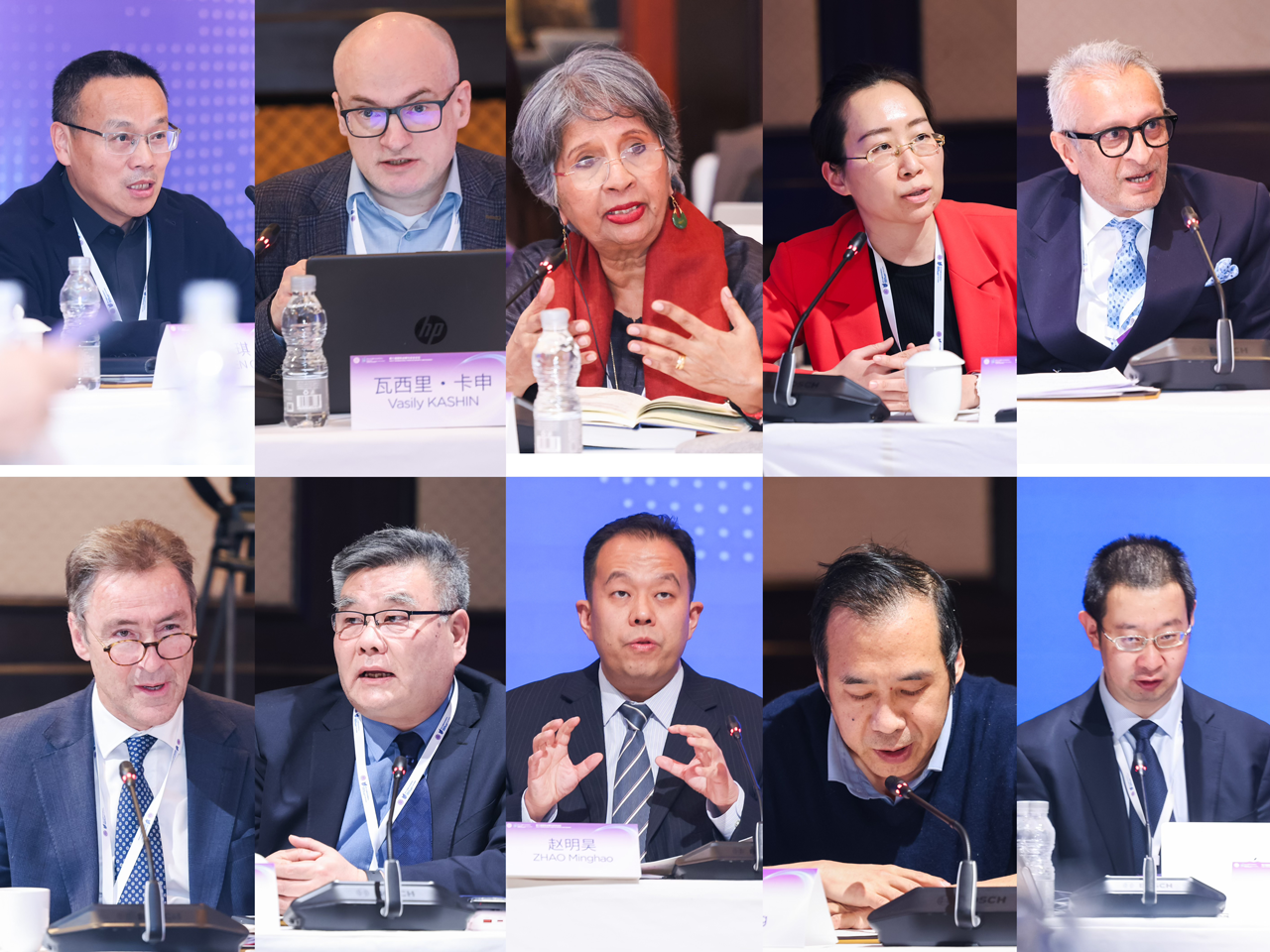
The third session, titled “A Multi-polar World: Interactions and Realignment among Major Players,” was moderated by CISS Deputy Director Chen Qi. Guiding speakers included David Harland, Vasily Kashin, Cui Hongjian, Nirupama Rao, Zhao Minghao, Jie Yu, Wu Bingbing, Mohamed Amersi, and Li Chen. Experts noted that the global order is in transition, with emerging powers exerting growing influence, and that middle powers are increasingly active in shaping international dynamics.
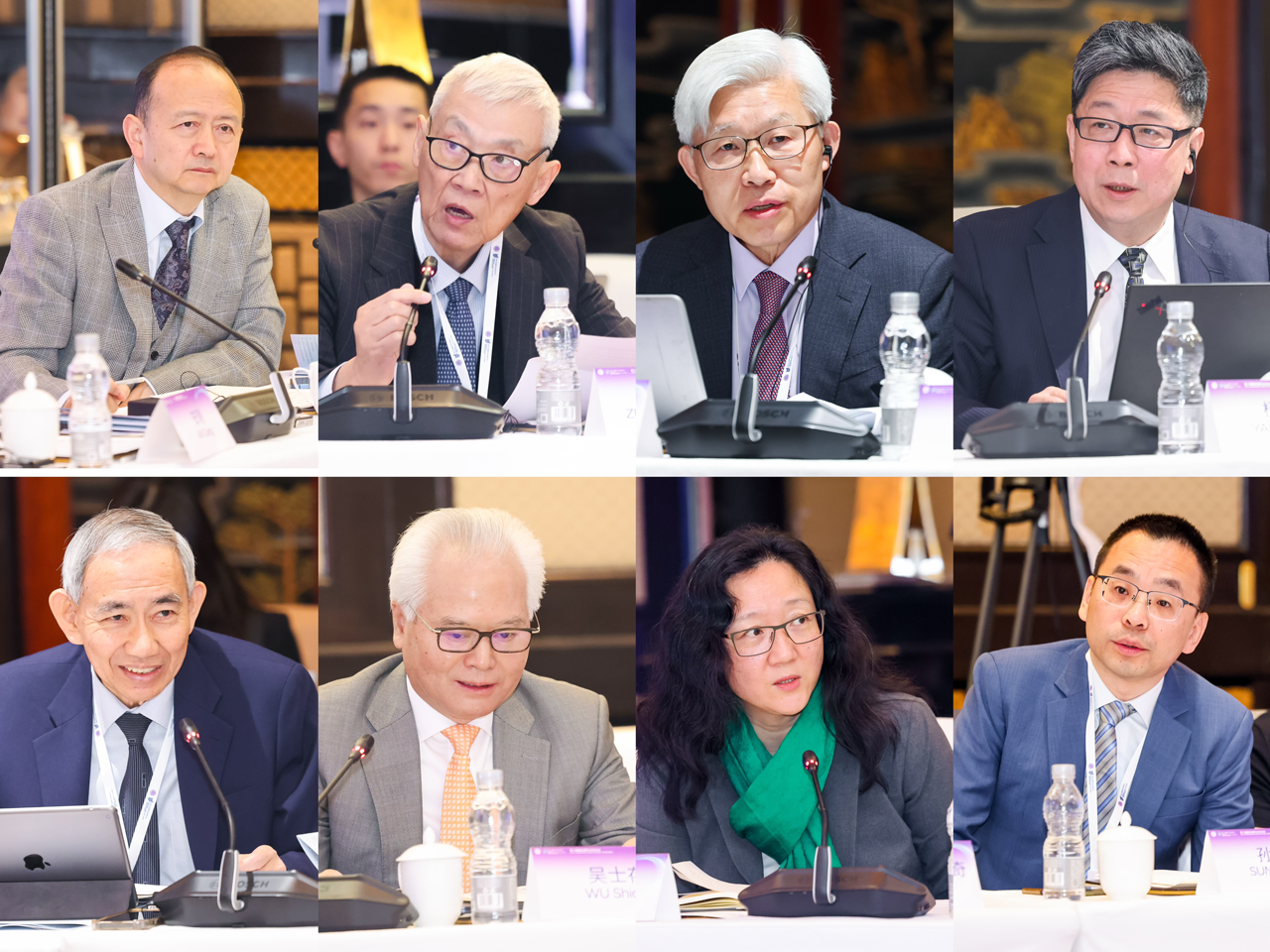
The fourth session, themed “Asia-Pacific: Bloc Confrontation and Regional Resilience,” was moderated by CISS Research Fellow Zhou Bo. Guiding speakers included Zhang Tuosheng, Sang Hyun Lee, Yang Bojiang, Choi Shing Kwok, Wu Shicun, Yun Sun, and Sun Xuefeng. Experts concluded that while opportunities in the Asia-Pacific still outweigh risks, rising uncertainties and structural tensions, coupled with great power competition, pose new challenges for regional security and China–U.S. relations.
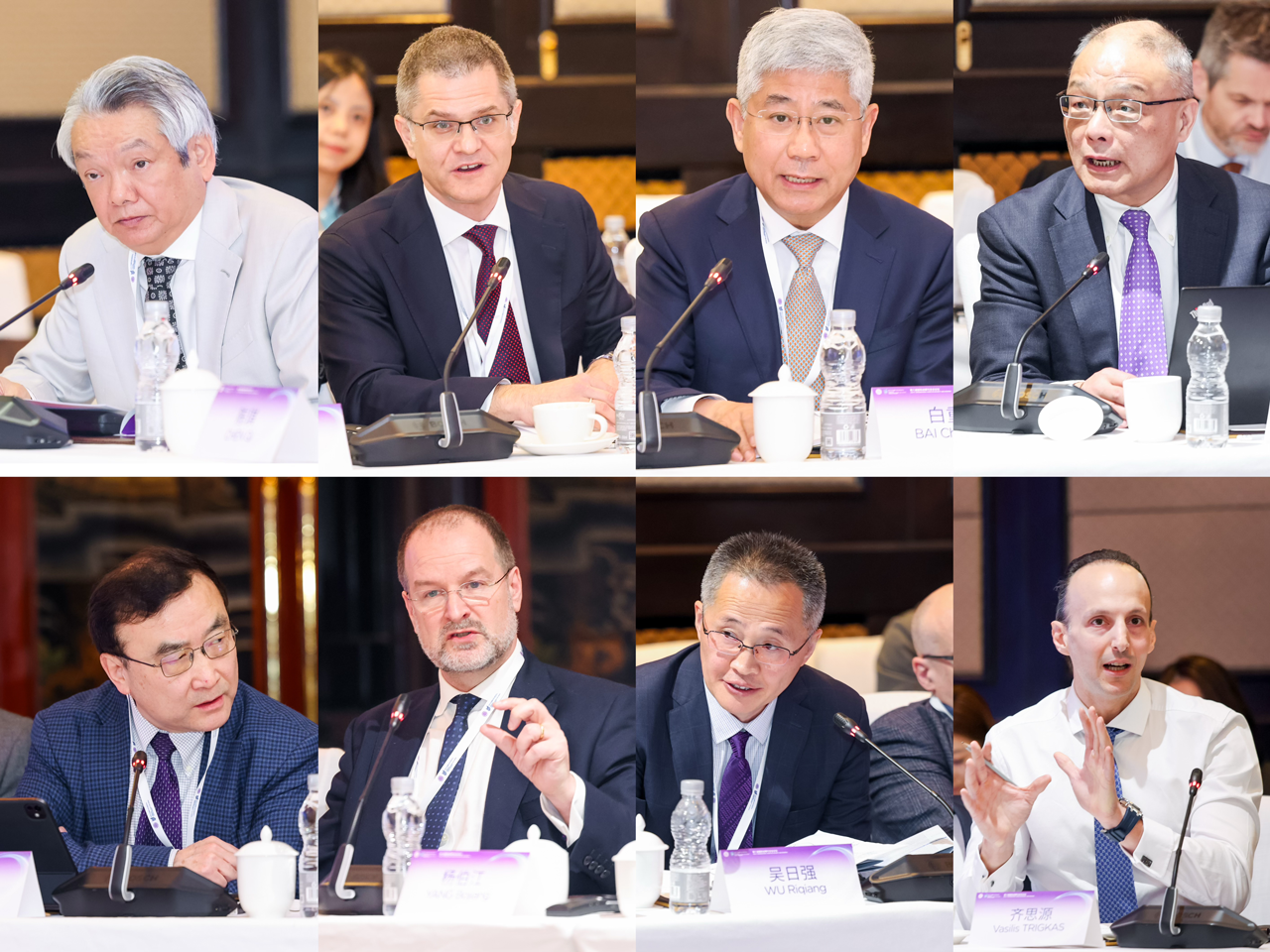
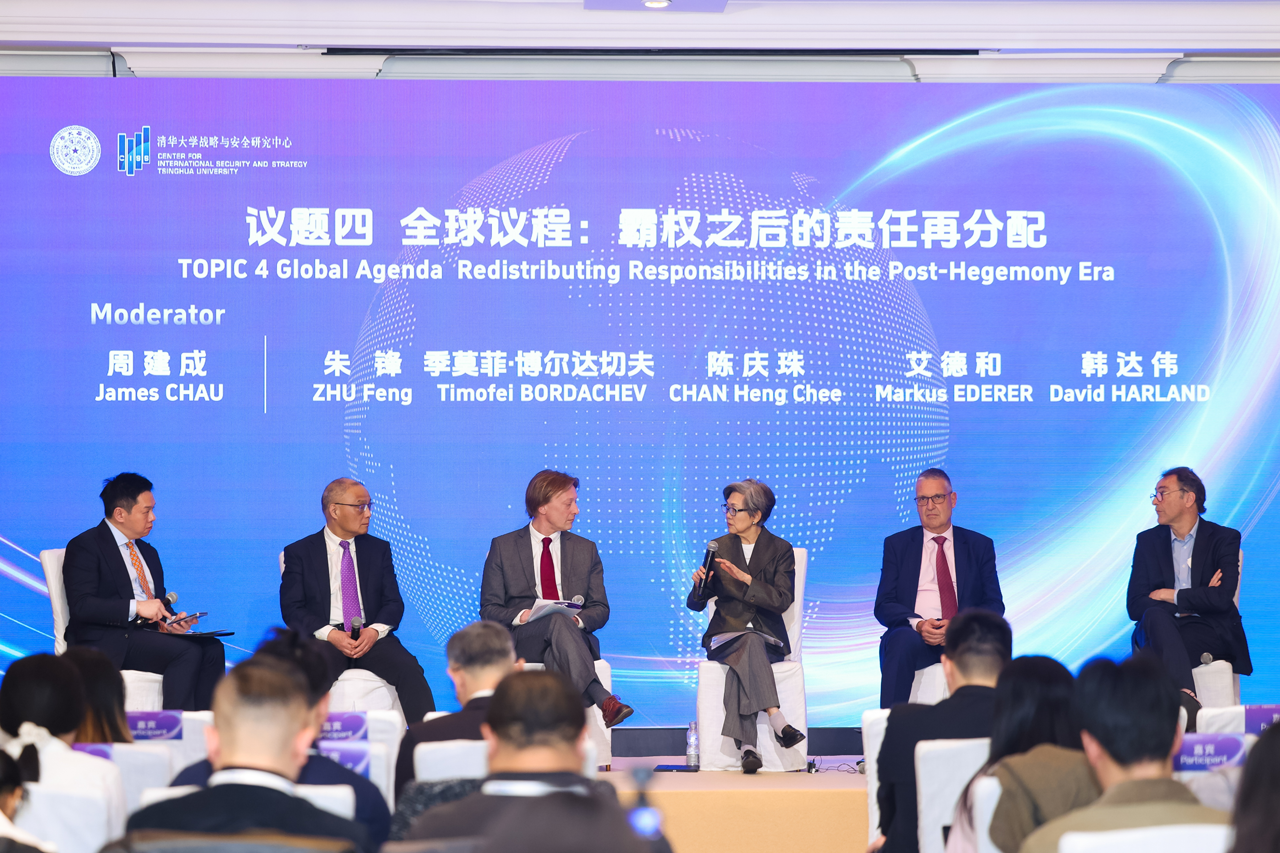
The fifth session, themed “Global Agenda: Weakening Mechanisms and Governance Deficits,” was moderated by CISS Special Expert Zheng Xiyuan. Guiding speakers included Vuk Jeremić, Bai Zhong' en, Zhu Feng, Zou Ji, Edward Carr, Wu Riqiang, and Vasilis Trigkas. Experts observed that the current global governance system and international order are increasingly misaligned with the deepening multipolar development of the world. They emphasized that future global governance should be strengthened through reform of existing mechanisms and coordinated cooperation among major powers to build a more inclusive and balanced system.
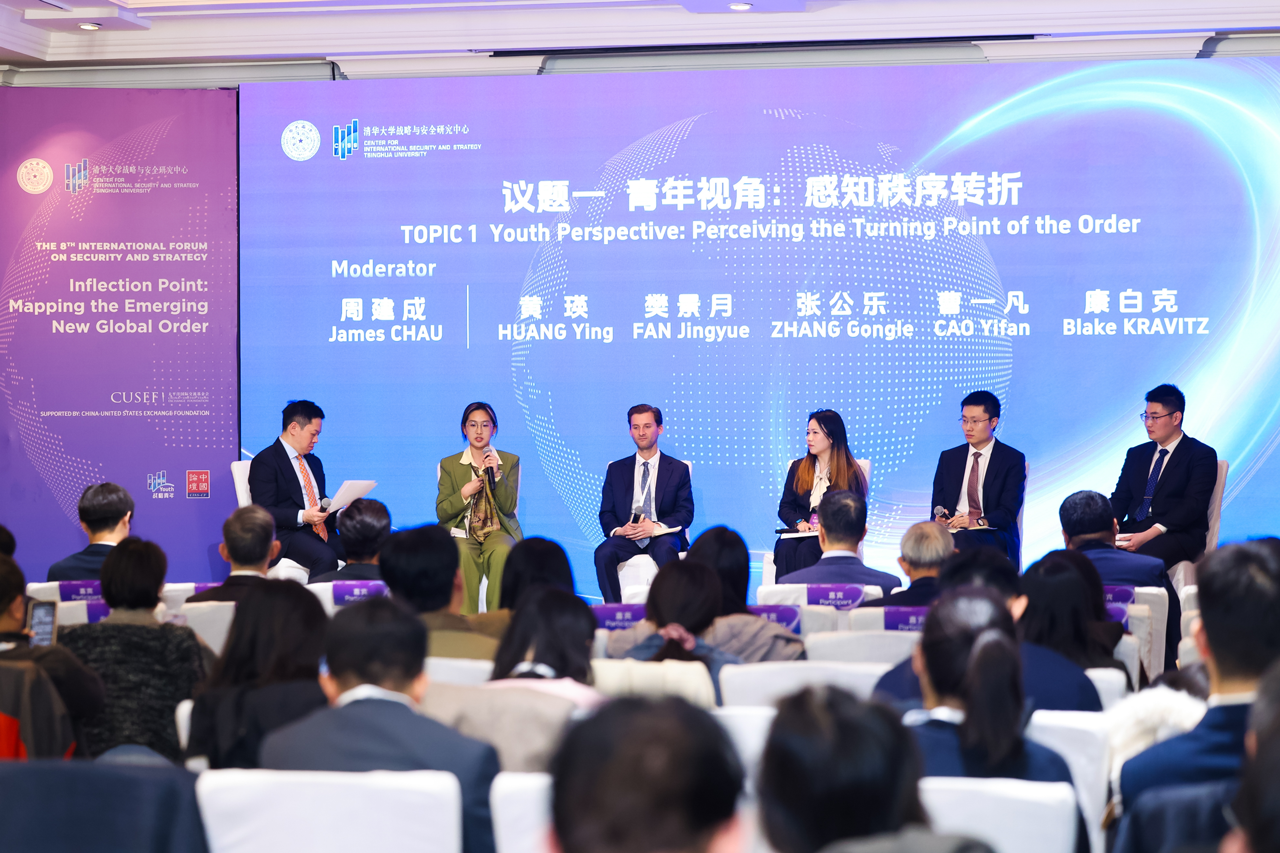
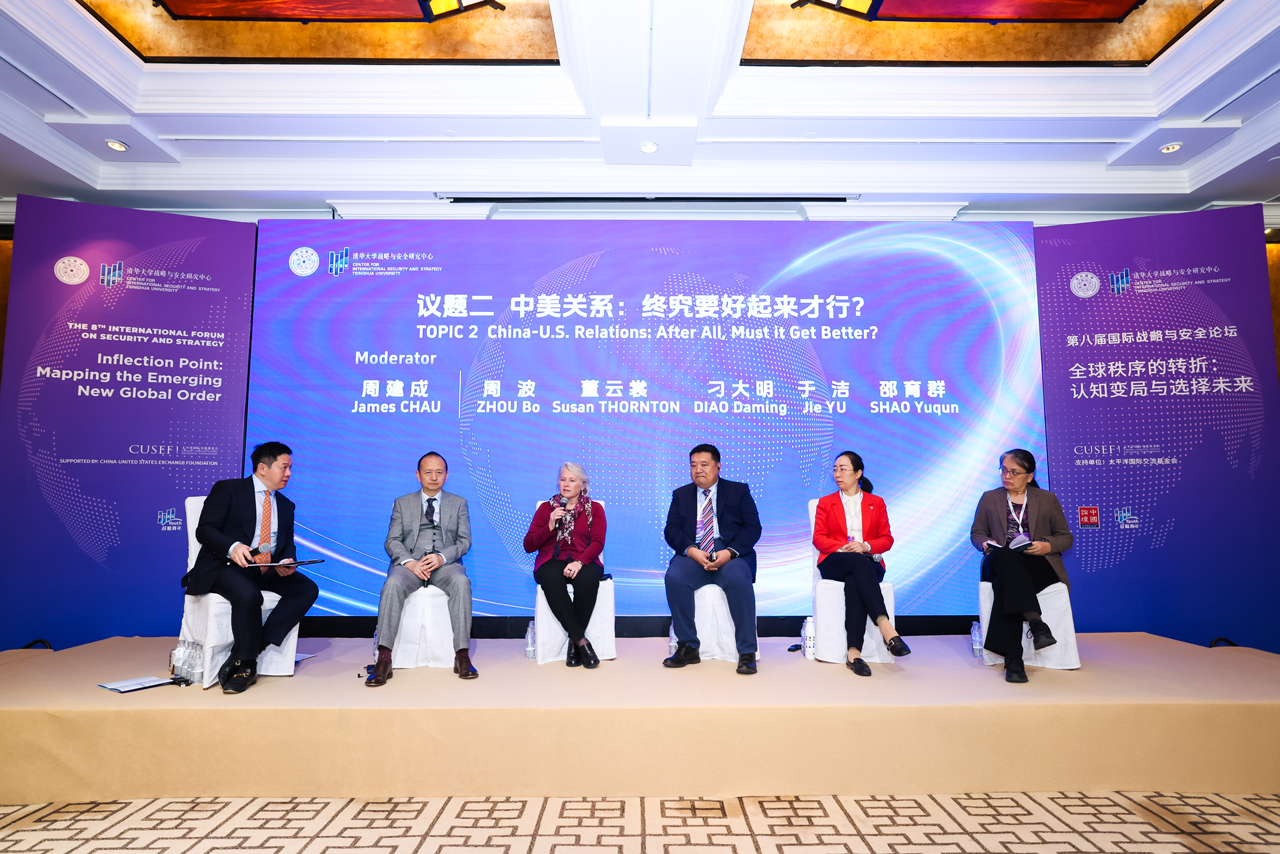
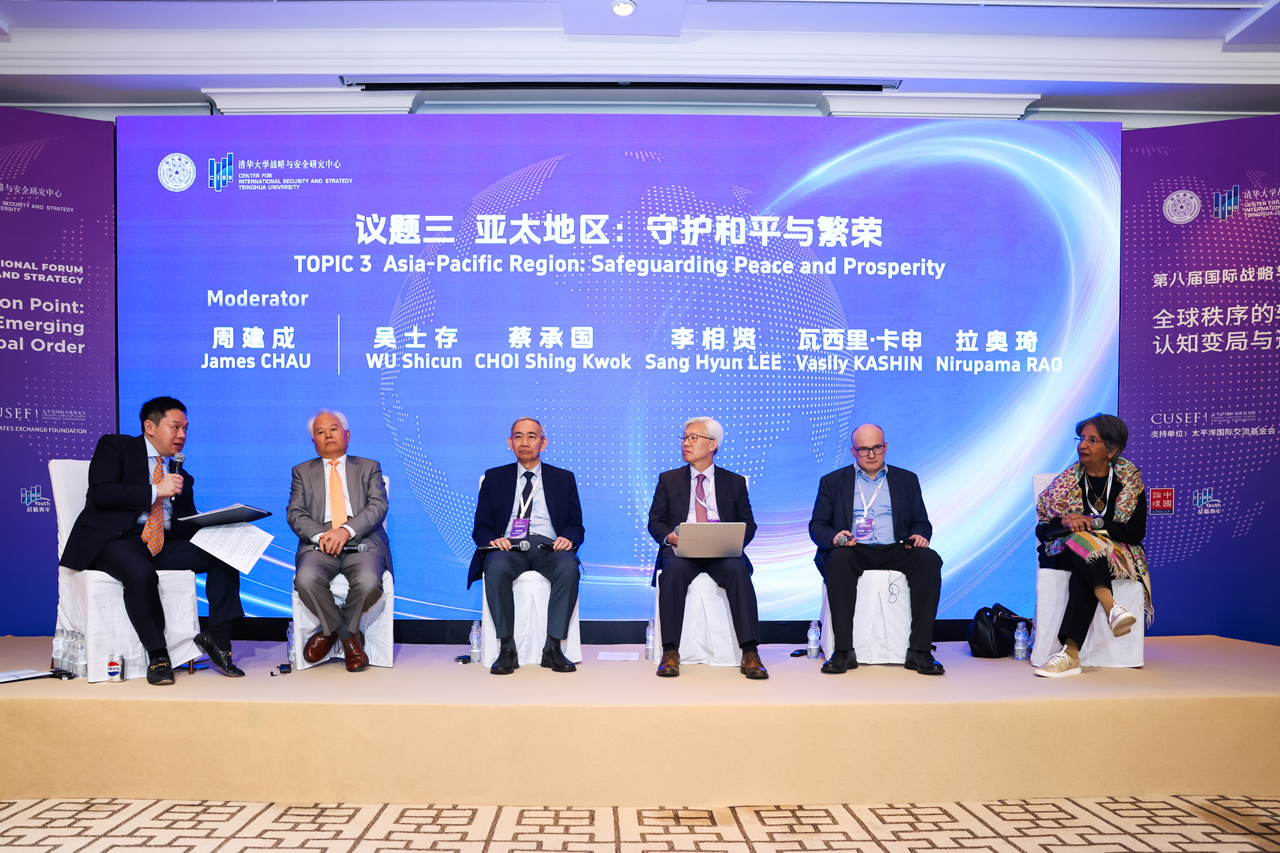
The public session on the afternoon of March 20 attracted more than 70 media outlets. Over 20 prominent experts and youth leaders engaged in discussions from four perspectives: youth perspectives, China–U.S. relations, Asia-Pacific regional cooperation, and global agendas. The session was hosted by Zhou Jiancheng, President of the China–U.S. Exchange Foundation and Chair of CUSEF. Experts discussed hot topics including the current state and future of China–U.S. relations, strategies to avoid bloc confrontation in the Asia-Pacific, and reforms to global governance mechanisms. Media inquiries addressed issues such as the role of youth in promoting international understanding, the future of China–U.S. economic and trade relations, and opportunities and challenges in technological cooperation. Experts offered insights grounded in their respective research areas, providing valuable perspectives for both media and audiences.
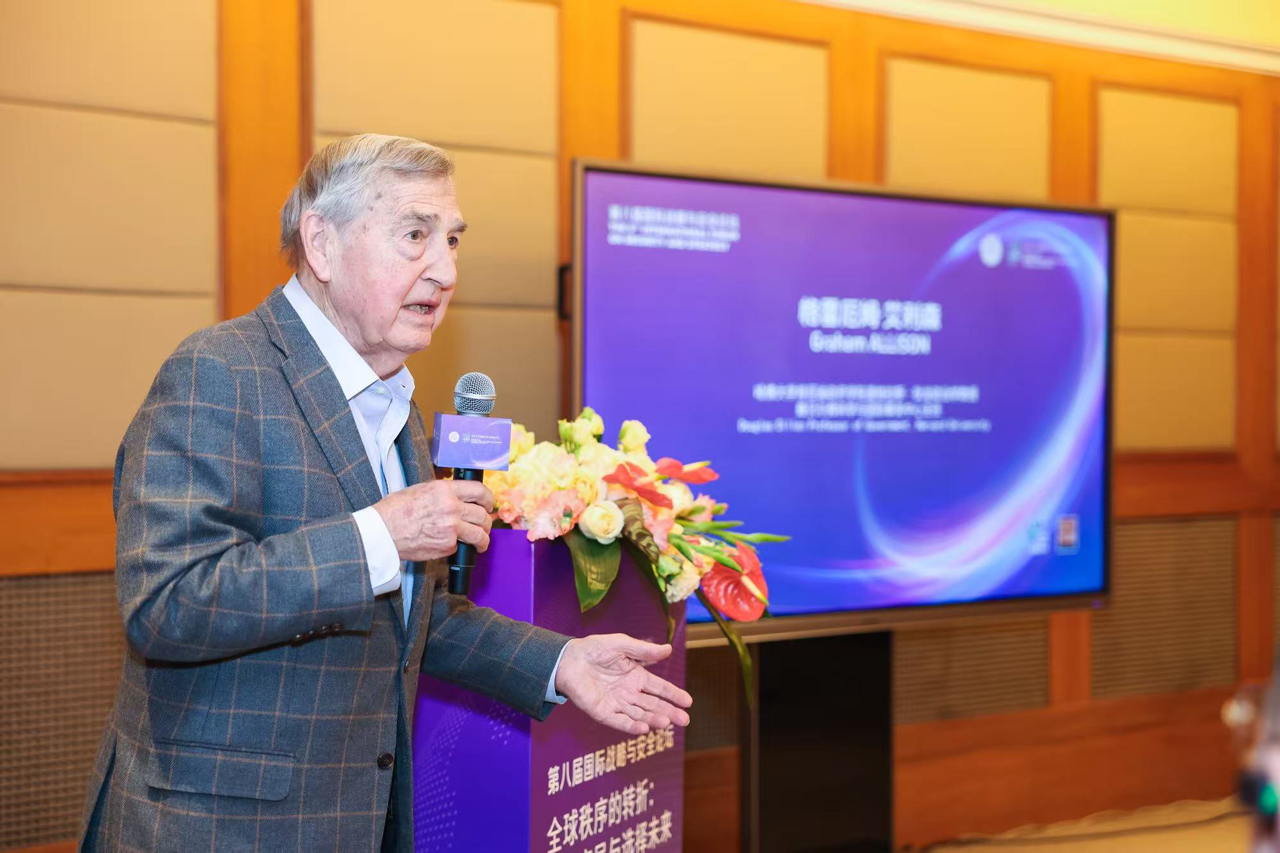
On the evening of March 18, CISS hosted a welcome dinner for forum participants. Harvard University Political Science Professor and Director of the Belfer Center for Science and International Affairs, Graham Allison, shared his analysis of the current international landscape, discussing the foundations for peace, the potential for its continuation, and the challenges it faces. He emphasized that maintaining peace requires sustained international cooperation, strategic patience, and careful attention to structural risks and potential variables.
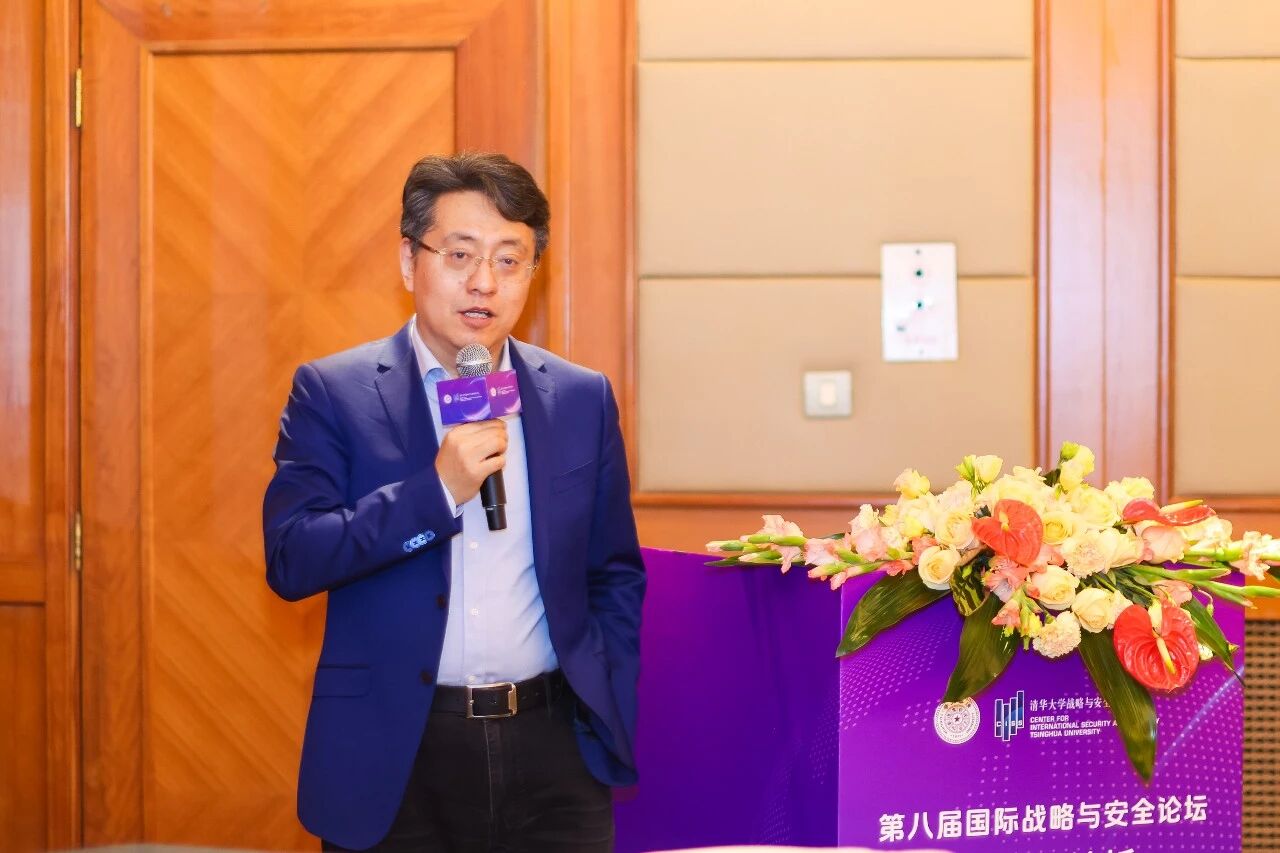
At lunch on March 19, Dong Yu, Executive Vice Dean and Senior Fellow, the China Institute for Development Planning (CIDP) of Tsinghua University, spoke about China' s strategic choices in responding to international changes, drawing from the formulation of China' s 15th Five-Year Plan and highlighting the importance of forward-looking, systematic planning for national development.
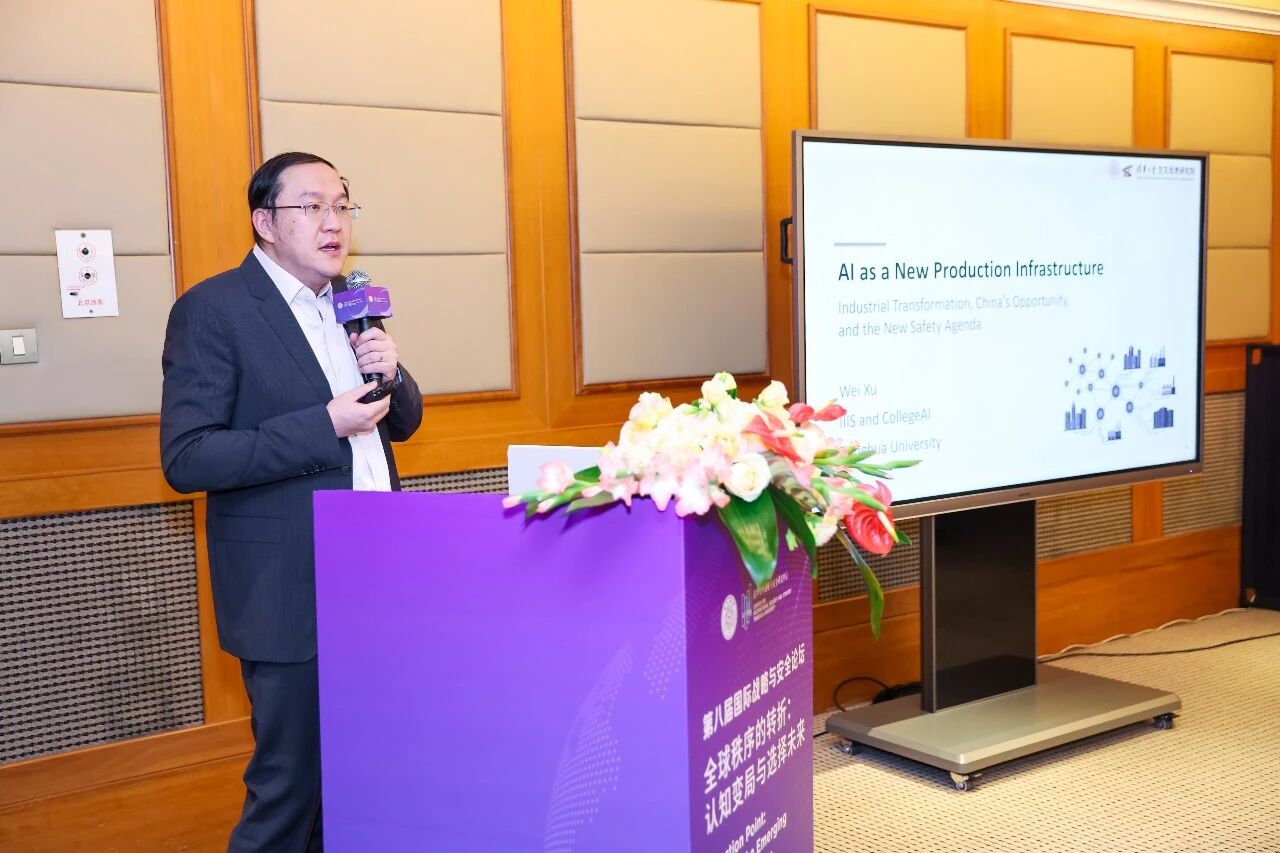
On the evening of March 19, Professor Xu Wei, Professor and Vice Dean of the Institute for Interdisciplinary Information Sciences and Adjunct Professor in the College of AI at Tsinghua University, delivered dinner speeches on AI development and governance, and on the current Middle East situation and the U.S.–Israel–Iran conflict.
The forum continued its parallel “Young Leaders” workshop, focusing on perspectives from the younger generation. Sixteen youth leaders from universities including Tsinghua, Peking University, the China Foreign Affairs University, and Dartmouth College explored youth dialogue and action in times of transition. On March 19, youth leaders held fireside discussions with six senior scholars and diplomats on “Youth Breaking Boundaries: Exploring a New Order,” addressing youth concerns amid global uncertainties. On March 20, the discussions continued through roundtables, translating insights into collective reflections, integrating youth perspectives and responsibilities into core forum topics.
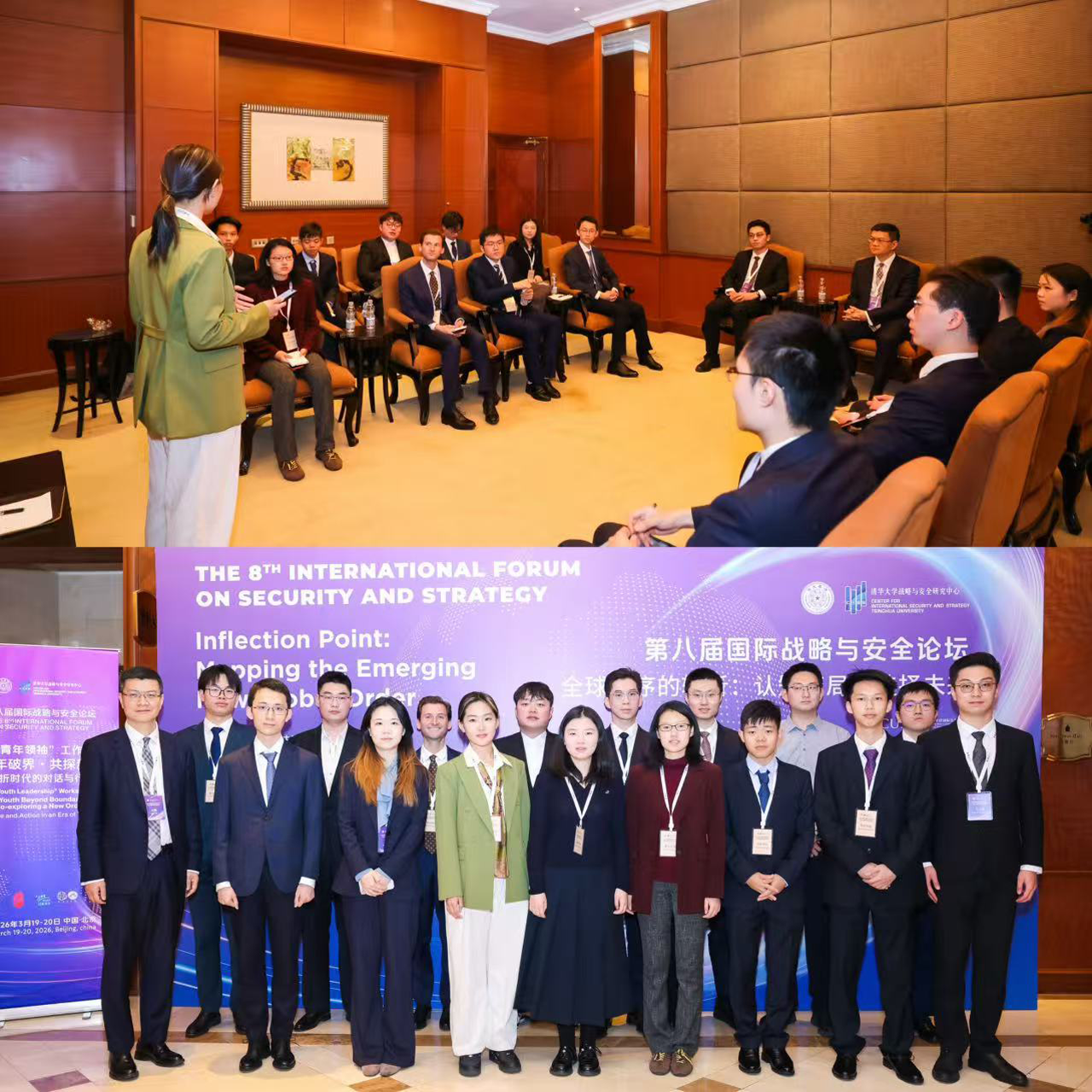
“青年领袖”工作坊
For the first time, the forum included an Enterprise Roundtable, where participants and representatives from Chinese companies exchanged views on evolving international dynamics, business operations, and the external environment.
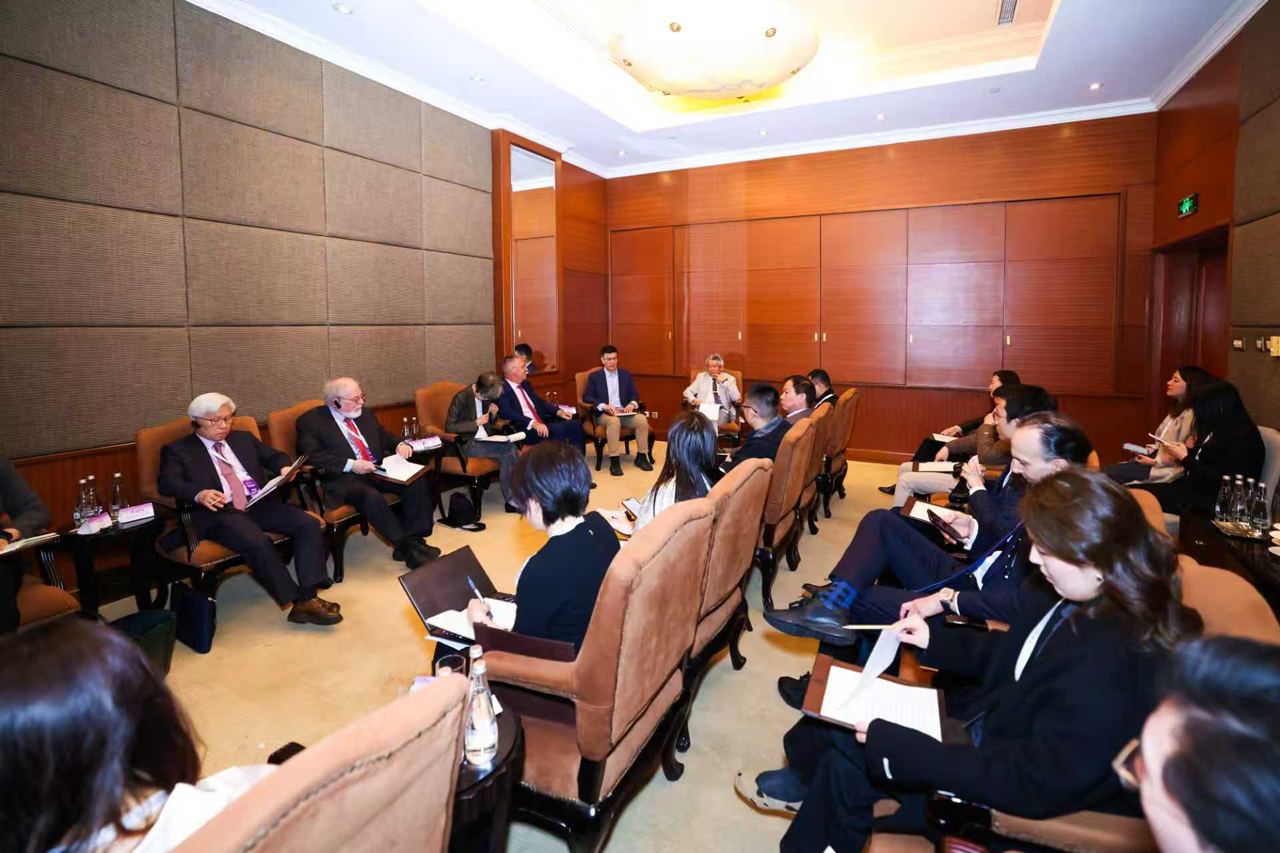
The 8th International Forum on Strategy and Security concluded successfully on the afternoon of March 20. Experts highly praised the forum, noting that amid profound adjustments and transformation in the global order, CISS provided a valuable high-level platform for academic and policy dialogue. Discussions were candid, in-depth, and constructive, and participants expressed strong interest in continuing engagement with future CISS events.