Conversation with Leading Minds|New Developments in International Dispute Settlement — The International Organization for Mediation (IOMed)
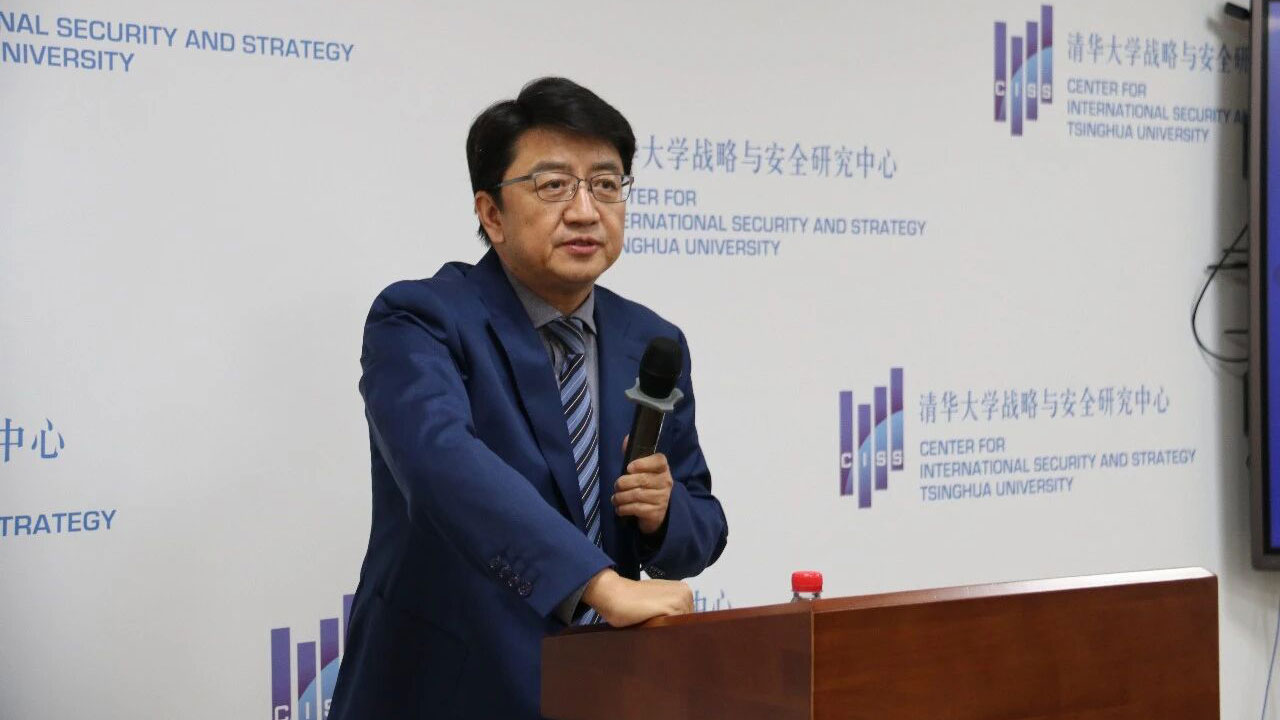
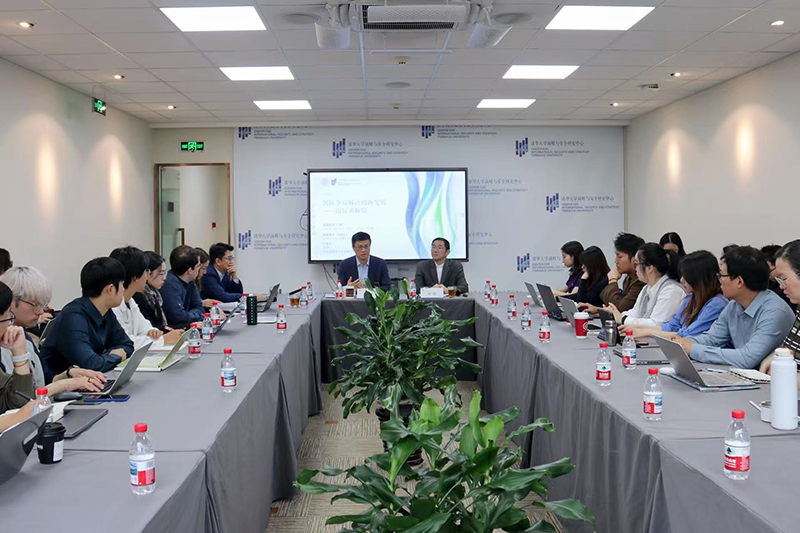
On October 16, 2026, the Center for International Security and Strategy (CISS) at Tsinghua University successfully hosted a lecture titled “Conversation with Leading Minds: New Developments in International Dispute Settlement—The International Organization for Mediation (IOMed).” Dr. SUN Jin, Deputy Secretary-General of IOMed, delivered the keynote presentation. WANG Zheng, Visiting Scholar at CISS, Professor at School of Diplomacy and International Relations and Conflict Studies at Seton Hall University, served as discussant. Over 30 young students and business representatives attended the event. The lecture was moderated by DA Wei, Director of CISS and Professor in the Department of International Relations, Tsinghua University.
SUN Jin first outlined the background and institutional evolution of the International Organization for Mediation. From the release of the Joint Statement on the Establishment of the International Organization for Mediation in 2022, through intergovernmental consultations in 2023, to the official signing ceremony of the Convention on the Establishment of the International Organization for Mediation on May 30, 2025, the founding of IOMed marks an important advance in the development of international law. To date, 48 states have signed the Convention and 18 states have become its members. The majority of signatory and member states are from Asia, Africa and Latin America, reflecting broad support for this international mediation mechanism among Global South countries.
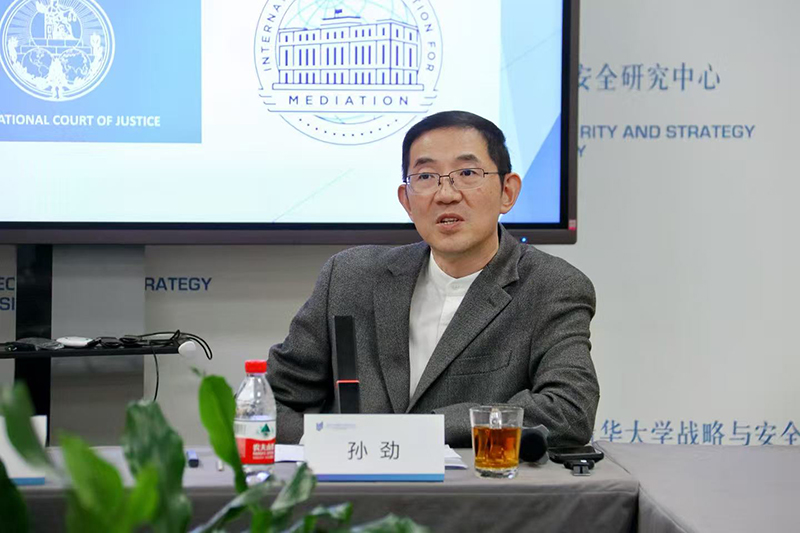
SUN Jin then analyzed the significance of establishing IOMed from four dimensions: rule-building, governmental endorsement, specialised institutional mechanisms and talent development. He noted that IOMed establishes mediation rules under international law and promotes the complementary development of mediation alongside other dispute settlement modalities, including arbitration and litigation. Government backing and a roster of professional mediators help build confidence among parties and improve mediation outcomes. Meanwhile, IOMed provides a platform for developing countries to cultivate talent and participate in international dispute settlement processes.
In introducing the Convention on the Establishment of the International Organization for Mediation, Dr. Sun focused on the scope of mediation, composition of mediators, mediation principles and funding sources. IOMed may handle inter-State disputes, investment disputes and cross-border commercial disputes, all subject to the voluntary consent of the parties concerned. Addressing external questions regarding the voluntariness and binding effect of mediated outcomes, he explained that parties who opt for mediation tend to voluntarily comply with settlement terms at a high rate, which constitutes a core strength of mediation. In addition, IOMed’s funding framework helps ease the fiscal burden on small and medium-sized states and facilitates broader participation.
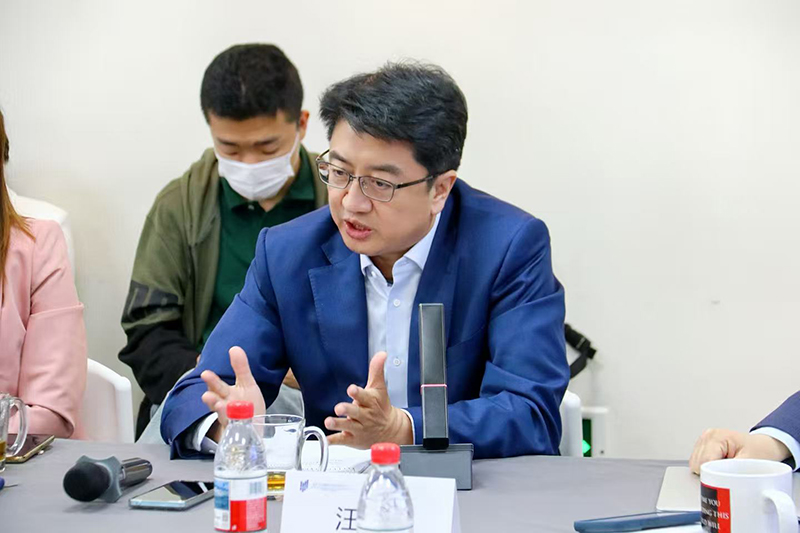
During the commentary segment, Professor WANG Zheng observed that international conflicts and disputes have continued to emerge frequently, while existing settlement instruments remain limited. Durable peace can hardly be achieved through interest calculus or external pressure alone. Shaped by diverse cultural traditions, states adopt different approaches to dispute settlement: some prioritise the allocation of interests, while others focus on sustaining relationships, and mediation represents an important pathway in this regard. He argued that the establishment of IOMed will advance both theoretical research and practical development of international mediation. China’s longstanding culture of peaceful mediation provides a solid foundation for its engagement in and promotion of international mediation.
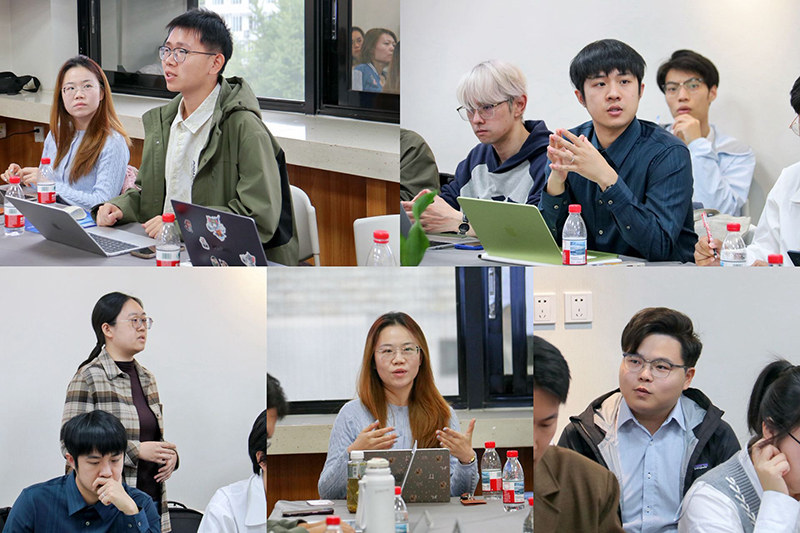
In the Q&A session, participants exchanged views with Dr. Sun on trust-building in international mediation and the complementarity between IOMed and other dispute settlement mechanisms. SUN Jin pointed out that mediators’ integrity, professional qualifications, track record and authority all shape the level of trust among disputing parties. On IOMed’s relationship with other international organizations, he stated that the Organization is designed to complement existing dispute settlement architectures. It seeks to position mediation as an important supplement to litigation and arbitration and to play an expanded role in the peaceful settlement of international disputes.


 2026-10-22