Conversation with Leading Minds | High-Stakes Negotiations and Strategic Rivalry: China-U.S. Relations Through the Lens of International Negotiation
On October 12, 2026, the Center for International Security and Strategy (CISS) at Tsinghua University successfully hosted a lecture titled “Conversation with the Leading Minds: High-Stakes Negotiations and Strategic Rivalry — China-U.S. Relations Through the Lens of International Negotiation.” The event featured a keynote presentation by Professor WANG Zheng, Visiting Scholar at CISS, Professor at the School of Diplomacy and International Relations and Director of the Center for Peace and Conflict Studies at Seton Hall University. More than 30 students and representatives from the business community, both within and outside Tsinghua University, attended the event. The lecture was moderated by Guo Jia, Director of International Exchange and Cooperation at CISS.
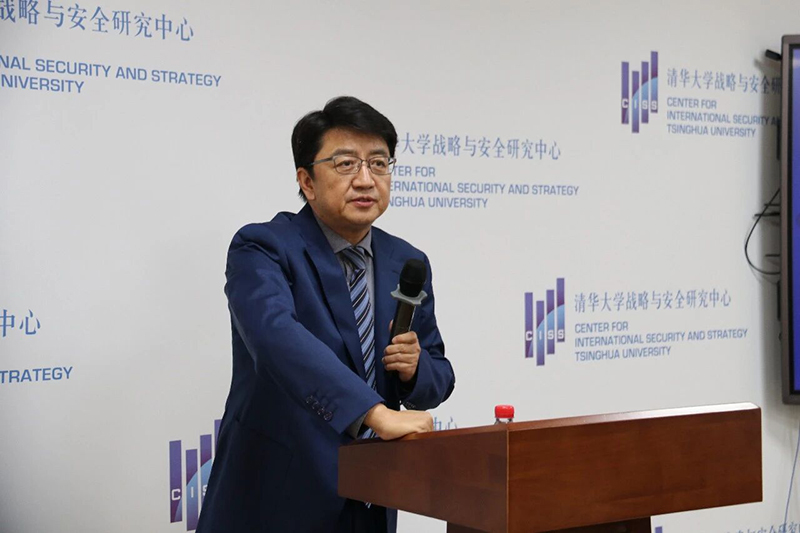
Professor WANG Zheng examined the logic of negotiations underlying interactions among major powers from the perspective of international negotiation. He remarked that “the world is shaped through negotiation,” adding that the terms “diplomacy” and “negotiation” are, to a large extent, interchangeable. The evolution of China-U.S. relations over the past several decades has itself been a sweeping history of high-stakes negotiations and strategic rivalry.
Taking the China-U.S. negotiations over China's accession to the World Trade Organization (WTO) as an example, he noted that the negotiations, spanning 15 years and 25 rounds of bilateral consultations, culminated in a final push lasting six days and six nights in Beijing in November 1999. Their significance extended far beyond a market access agreement. In his view, the negotiations between China and the United States over China's WTO accession not only shaped bilateral relations but also marked the starting point of the globalization landscape of the 21st century. Today's tariff negotiations, to some extent, represent a revision of that earlier arrangement and a renewed round of strategic bargaining over it.
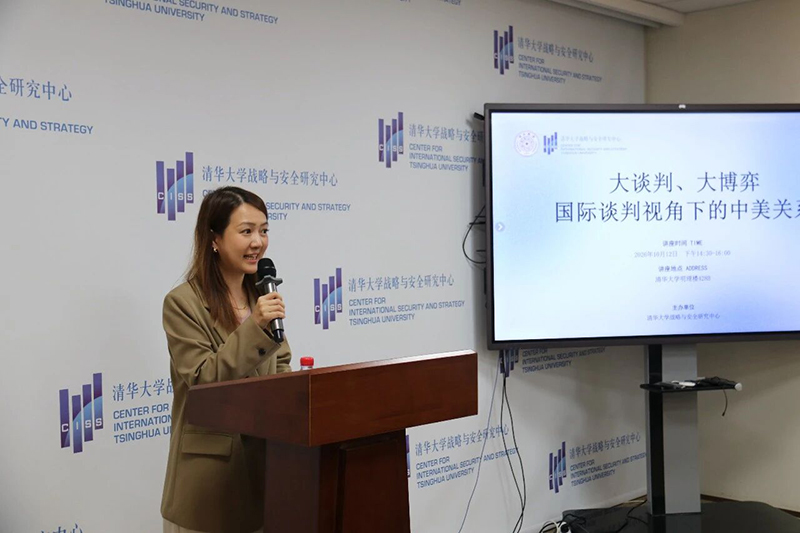
Turning to the current state of China-U.S. relations, Professor Wang noted that tariff negotiations since the spring of 2025 have undergone a shift from “escalation to the limit” to “negotiating amid continued confrontation.” Tariff rates imposed by both sides reached exceptionally high levels at one point before gradually declining following successive rounds of talks in Geneva, Busan, Paris and other locations. He particularly emphasized that nearly all major negotiations between China and the United States have taken place in third countries, an unusual practice in relations between major powers that itself reflects the parity and sensitivity of their interactions. Although the negotiations have not reversed the trend of declining bilateral trade, they have brought a rare measure of stability to the relationship at a time of heightened risks.
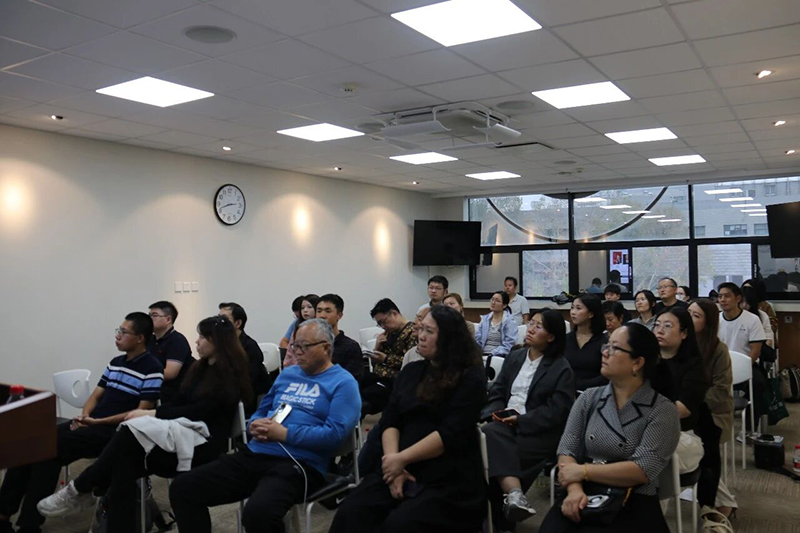
Discussing the different negotiation styles of China and the United States, Professor Wang drew an analogy between Go and chess. He likened the U.S. approach to negotiation to chess, emphasizing deadlines, pressure tactics and tangible breakthroughs at critical junctures. China's approach, by contrast, is more akin to Go, placing greater emphasis on overall strategic positioning, strategic patience and long-term room for maneuver.
Looking ahead, Professor Wang observed that while negotiation is an age-old subject, it remains a relatively young academic discipline. Negotiation capabilities are an important component of national capacity and a fundamental skill in major-power diplomacy and international governance. As international conflicts become increasingly complex and multidimensional, China needs to accelerate the development of advanced research and teaching capabilities in negotiation and cultivate a large pool of multidisciplinary negotiation professionals equipped with policy expertise, cross-cultural communication skills and negotiation skills.
Professor Wang also noted that the widespread use of artificial intelligence (AI) in negotiations is inevitable. He stressed the need to attach great importance to AI and promote its application in negotiation simulations, text analysis, decision support, scenario planning and negotiation education.
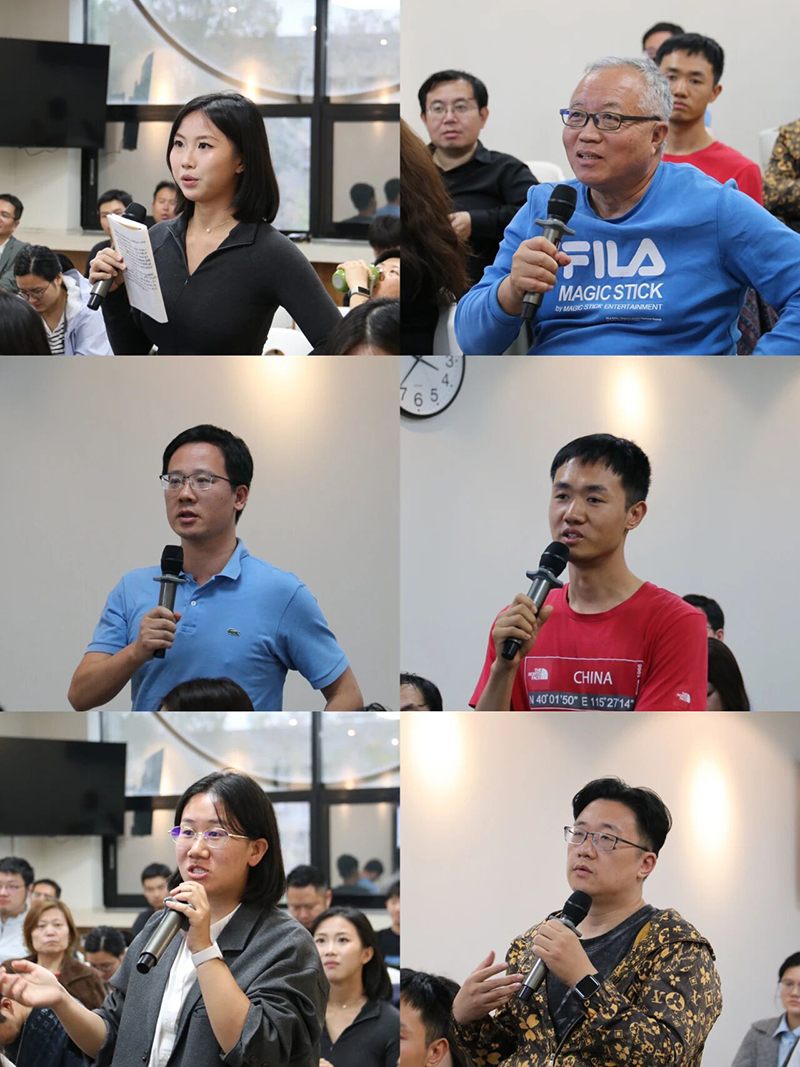
During the Q&A session, participants engaged in discussions with Professor Wang on a range of issues, including the limits of negotiation effectiveness, the implications of AI for negotiators’ knowledge structures, the relationship between power and fairness and justice, and approaches to cultivating negotiation professionals.
In response, Professor Wang noted that information has become relatively transparent in the internet age. The essence of negotiation is no longer the exchange of information, but rather the pursuit of overlapping consensus acceptable to both sides amid complex conflicts of national interests. While power undoubtedly determines a country's bargaining position, negotiation ultimately remains an art. Citing the saying that “small countries must deal with major powers through wisdom,” he emphasized that the experiences of smaller states in navigating difficult geopolitical circumstances and safeguarding their interests also deserve attention.
He particularly stressed that regardless of how AI may assist the process, negotiation ultimately remains a form of interpersonal communication. Understanding the other side's culture and earning its trust will always be among the most fundamental qualities of a skilled negotiator.


 2026-10-20