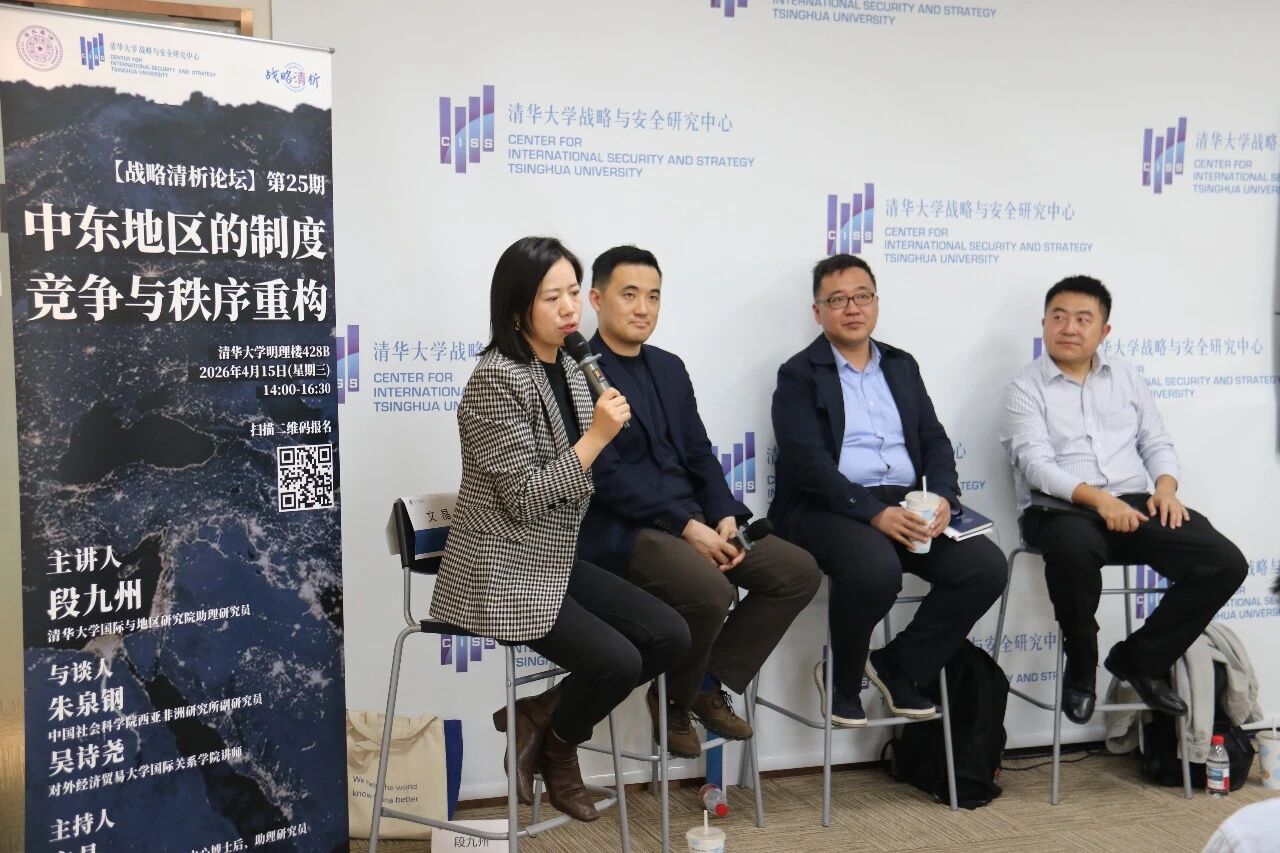
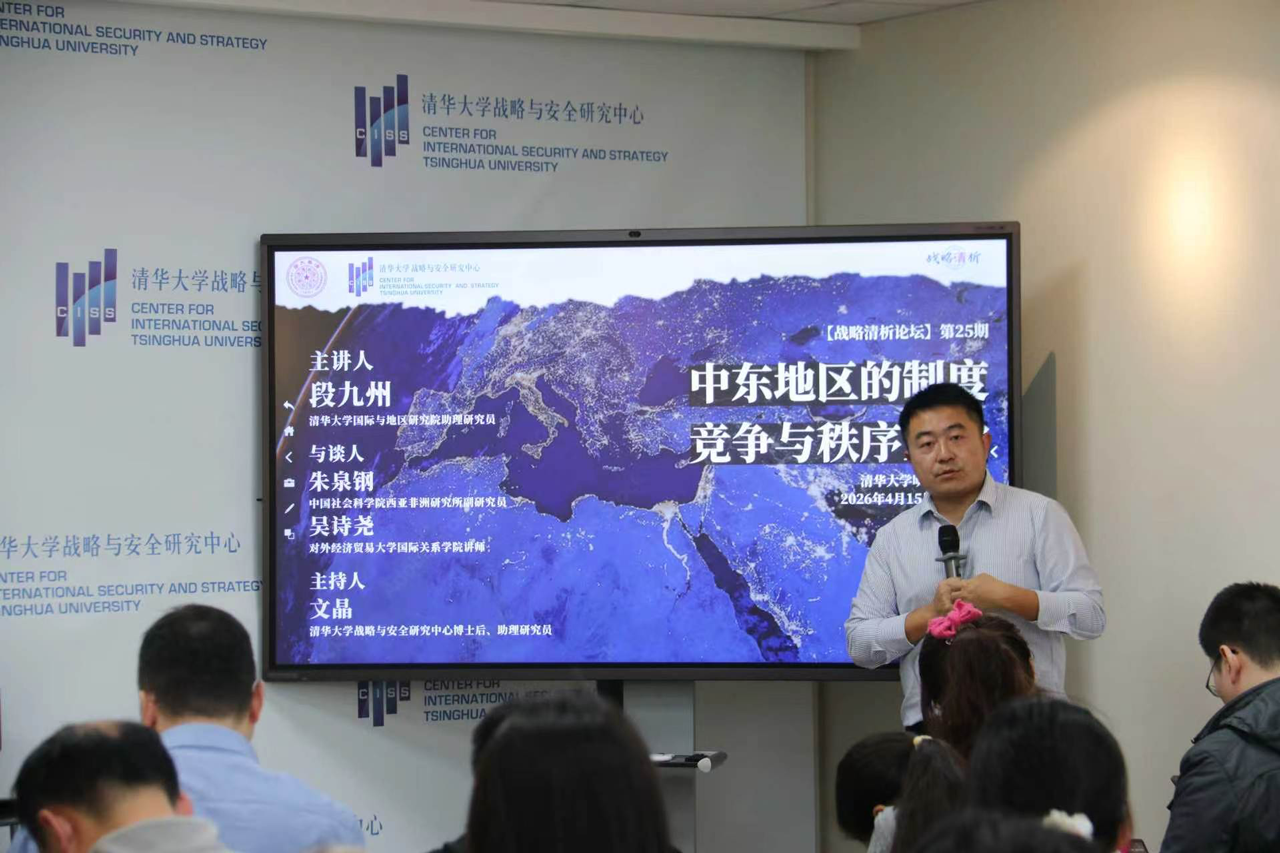
The Center for International Security and Strategy (CISS) at Tsinghua University held the 25th session of “CISS StratFocus” on April 15, 2026, under the theme “Institutional Competition and Order Reconstruction in the Middle East.” The forum was moderated by Wen Jing, Postdoctoral Fellow at CISS. Duan Jiuzhou, Assistant Researcher at the Institute of International and Area Studies of Tsinghua University, was invited as the keynote speaker. Zhu Quangang, Associate Research Fellow at the Department of Political Studies of the Institute of West Asian and African Studies at the Chinese Academy of Social Sciences, and Wu Shiyao, Lecturer at the School of International Relations of the University of International Business and Economics, participated in the discussion as guest commentators.
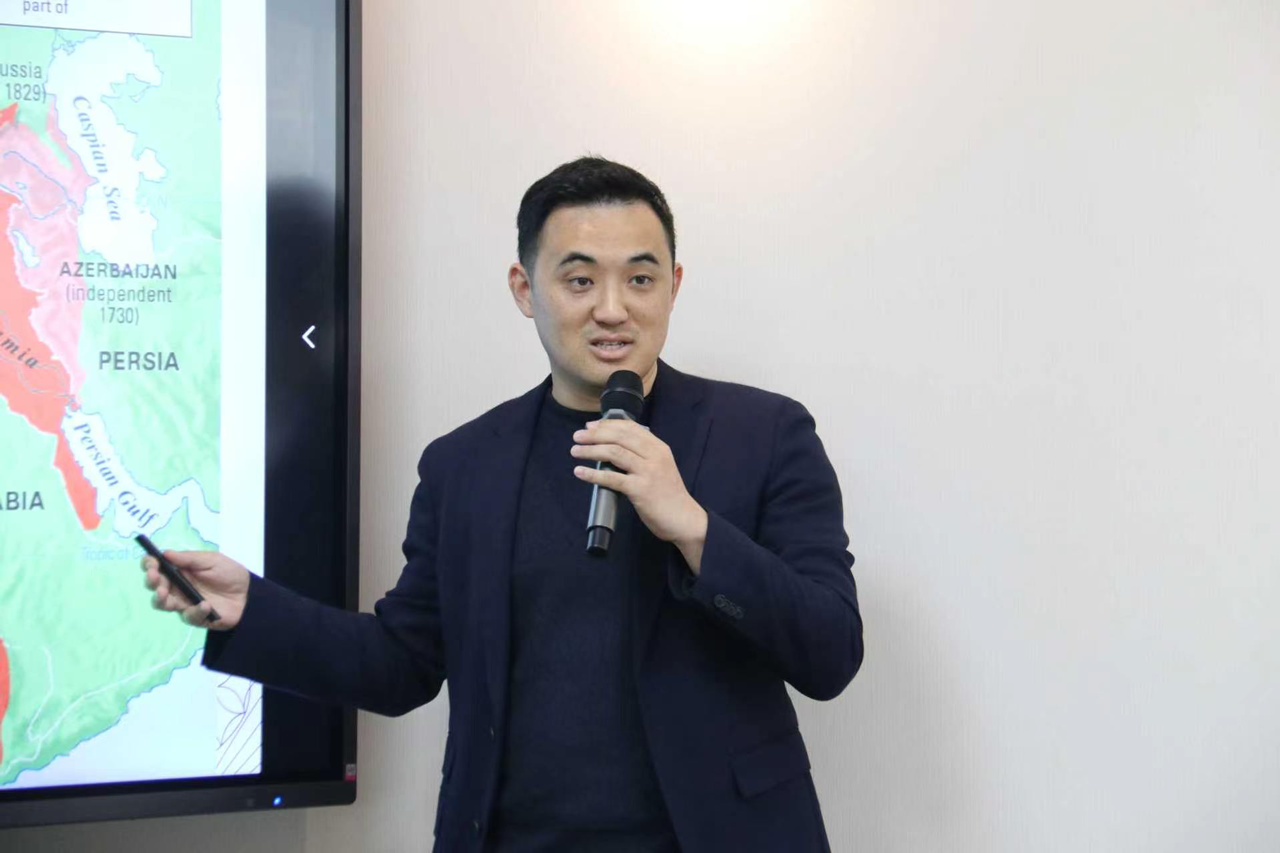
Duan Jiuzhou systematically analyzed the evolution of institutional competition and the reconstruction of regional order in the Middle East from both historical and contemporary perspectives. He pointed out that the modern Middle Eastern order emerged following the dissolution of the Ottoman Empire and was subsequently shaped by ideological currents such as Islamic revivalism, secular nationalism, and political Islam. These developments gave rise to three major models of state-building: military-led governance, religious mobilization, and the inheritance of colonial boundaries. He emphasized that the region is currently experiencing a power vacuum triggered by hegemonic retrenchment, while simultaneously facing structural dilemmas including the dual failure of authoritarian and democratic systems. Looking ahead, Duan argued that technology, warfare, religion, and capital are jointly reshaping the meaning of sovereignty. In the future, the Middle East may evolve toward multidimensional sovereignty, network-based governance, and transformations driven by computing power and artificial intelligence, becoming a pioneering testing ground for changes in global governance.
During the discussion session, Zhu Quangang further elaborated on issues related to state-building, regional power structures, and interactions among external powers. He argued that the development trajectory of Middle Eastern states exhibits a “pendulum-like” pattern, with development models shifting from traditional liberalism to statism, then to neoliberalism, and eventually toward today’s hybrid models. As a result, state capacity has fluctuated over the long term. At the same time, five major ethnic forces within the region have remained in prolonged competition and balance, making it difficult to establish a unified mechanism of integration. Moreover, external powers have continuously intervened in regional affairs since the colonial era, profoundly shaping the evolution of regional order.
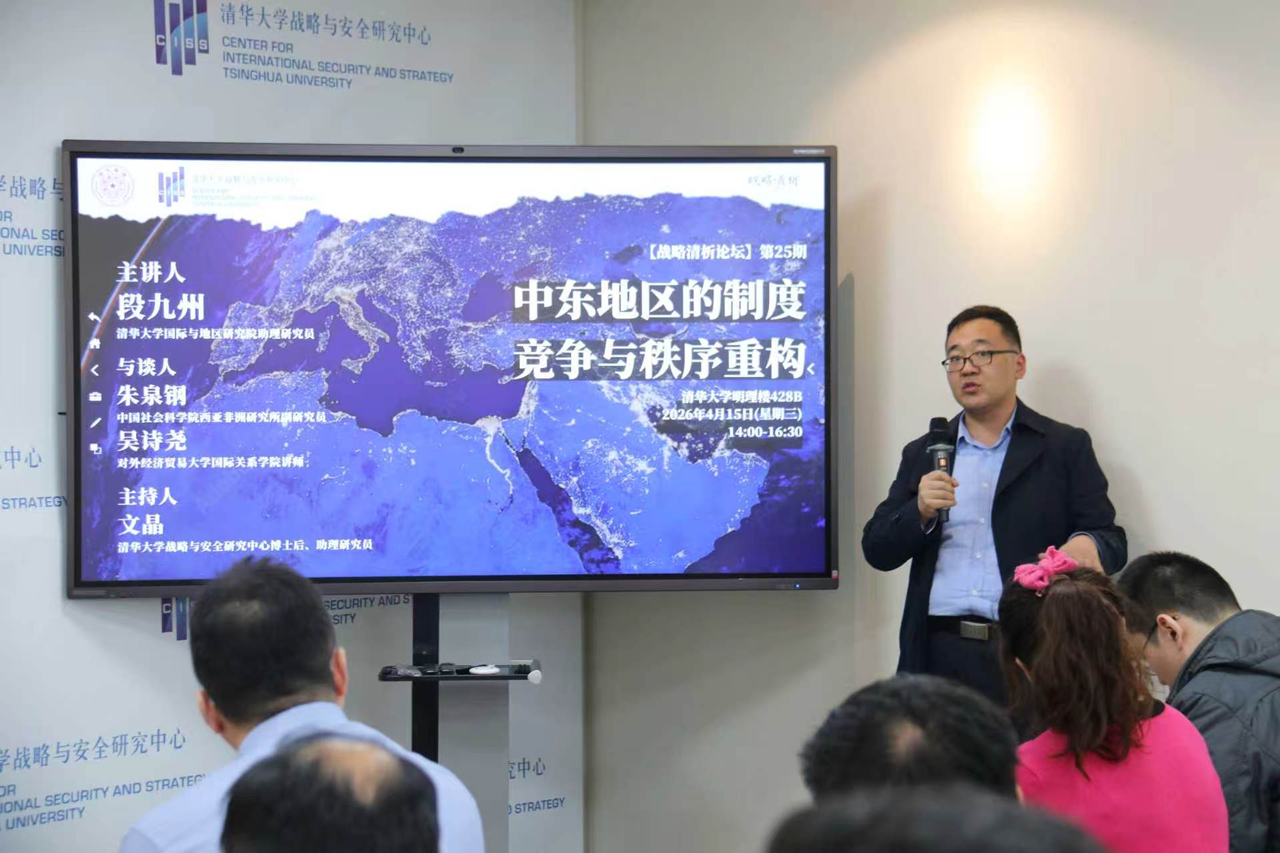
Wu Shiyao focused on ideological and conceptual dimensions, particularly analyzing the weaponization of “antisemitism” by the United States and Israel and its implications. He noted that since the outbreak of the latest round of the Israeli–Palestinian conflict, both countries have increasingly used accusations of “antisemitism” as a political instrument in domestic and foreign policy, serving to consolidate internal consensus and justify external actions. However, this politicized use has significantly narrowed the policy flexibility of both the United States and Israel and has, in practice, further intensified instability in the Middle East, becoming a key ideational factor influencing and reshaping the current geopolitical landscape of the region.
During the Q&A session, audience members actively raised questions concerning generational shifts in Middle Eastern power structures, the trajectory of U.S.–Iran tensions, security issues discussed at the China–Arab States Summit, and the role of non-state actors. Drawing on historical context, geopolitics, and China’s national interests, the forum speakers responded to the questions one by one, offering profound academic insights into the reconstruction of order in the Middle East.
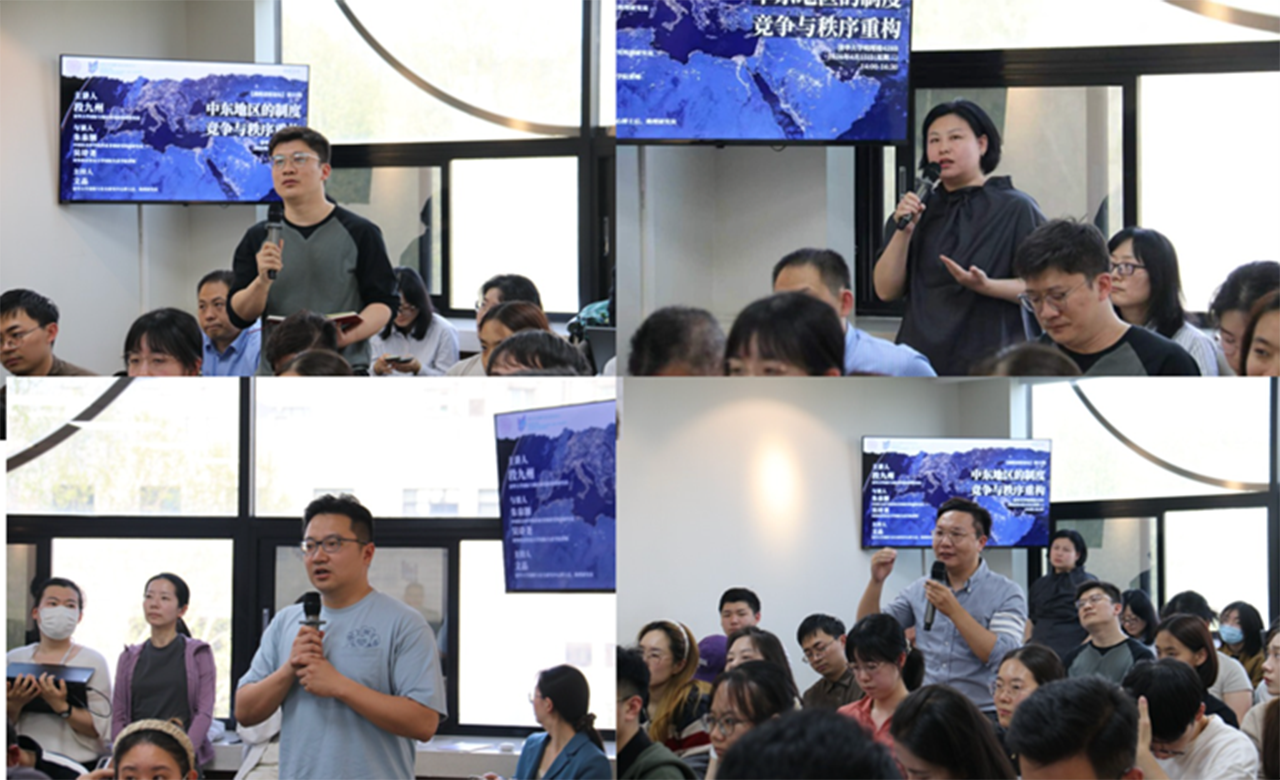
The forum concluded successfully with closing remarks by moderator Wen Jing.