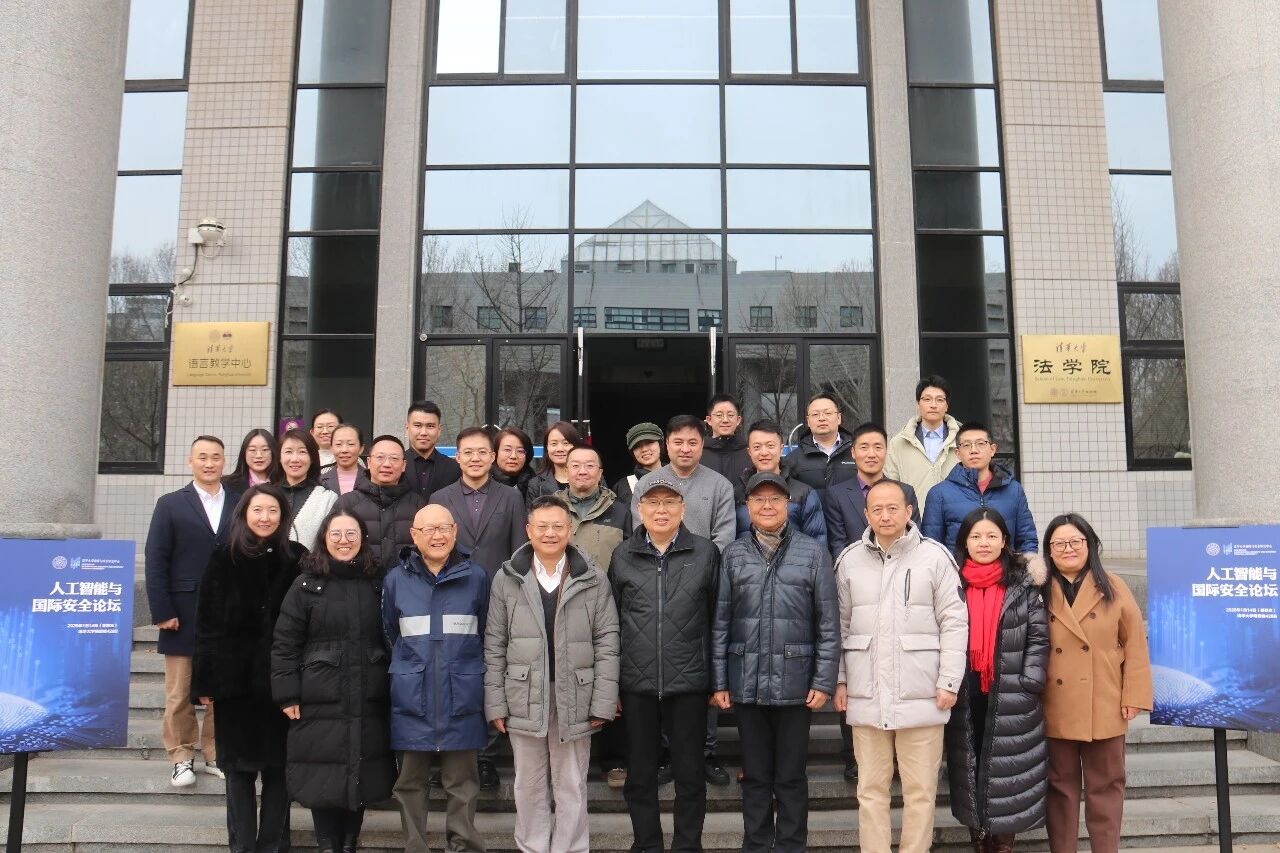
On January 14, 2026, the Center for International Security and Strategy (CISS) at Tsinghua University hosted the Forum on Artificial Intelligence and International Security. Nearly 30 experts and scholars from leading universities and research institutions—including Tsinghua University, the National Defense University, Peking University, the China Institutes of Contemporary International Relations (CICIR), Fudan University, Tongji University, and the Shanghai Academy of Social Sciences—participated in the forum. Discussions focused on four key themes: new transformations and trends in global security governance in the age of artificial intelligence; the militarization of AI and emerging security risks; AI diffusion and security threats posed by non-state actors; and international security governance rules for AI and China’s initiatives.
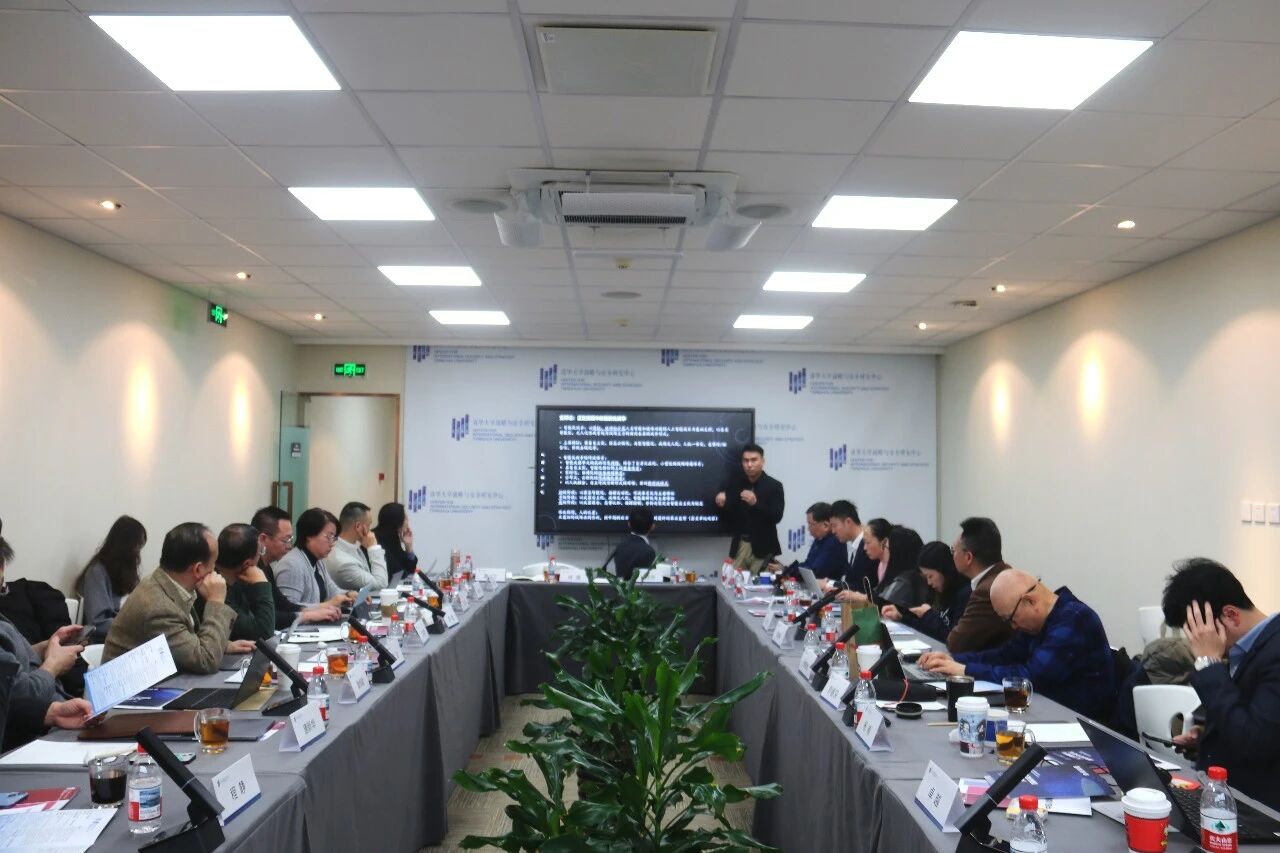
The first session, chaired by Xiao Qian, Deputy Director of CISS, examined new developments and trends in global security governance in the AI era. Participants explored pathways for integrating AI into traditional national security domains, mapped a research framework encompassing development, technology, and geopolitics, and analyzed the dynamics of U.S.–China strategic competition in AI. Discussions also addressed key issues such as the construction of global AI security governance mechanisms, governance pathways, and multilateral coordination.
The second session, chaired by Sun Chenghao, Associate Research Fellow at CISS, focused on the militarization of AI and emerging security risks. Experts discussed new risks arising from AI applications in military, cyber, biological, nuclear, and chemical domains, with particular attention to the scope and limits of military AI applications, risk management red lines, and evolving national defense development trajectories.
The third session, chaired by Dong Ting, Associate Research Fellow at CISS, addressed AI diffusion and security threats from non-state actors. Against the backdrop of rapid AI diffusion, commercialization, and open-source development, participants examined the potential for non-state actors to exploit AI for terrorism, transnational crime, and cyberattacks. Experts compared governance models in the United States, Europe, and China, analyzed the digital and intelligence divides facing countries in the Global South, and discussed cybersecurity challenges and response strategies. The session also explored the mechanisms behind AI misuse risks, governance approaches, and the role of international law in global governance and consensus-building.
The fourth session, chaired by Zhou Bo, Research Officer at CISS and Special Expert of the China Forum, focused on international security governance rules for AI and China’s perspectives and contributions. Discussions examined the substance of national security governance for AI, diverse governance tools, and the dynamic evolution of governance frameworks. Experts analyzed areas of consensus and divergence among states, outlined the landscape of global AI governance and the participation pathways of multiple stakeholders, and deliberated on challenges such as fragmented governance rules, the role of the United Nations, the limits of governance capacity among leading powers, and potential pathways for AI arms control. The session aimed to advance practical and actionable governance solutions.
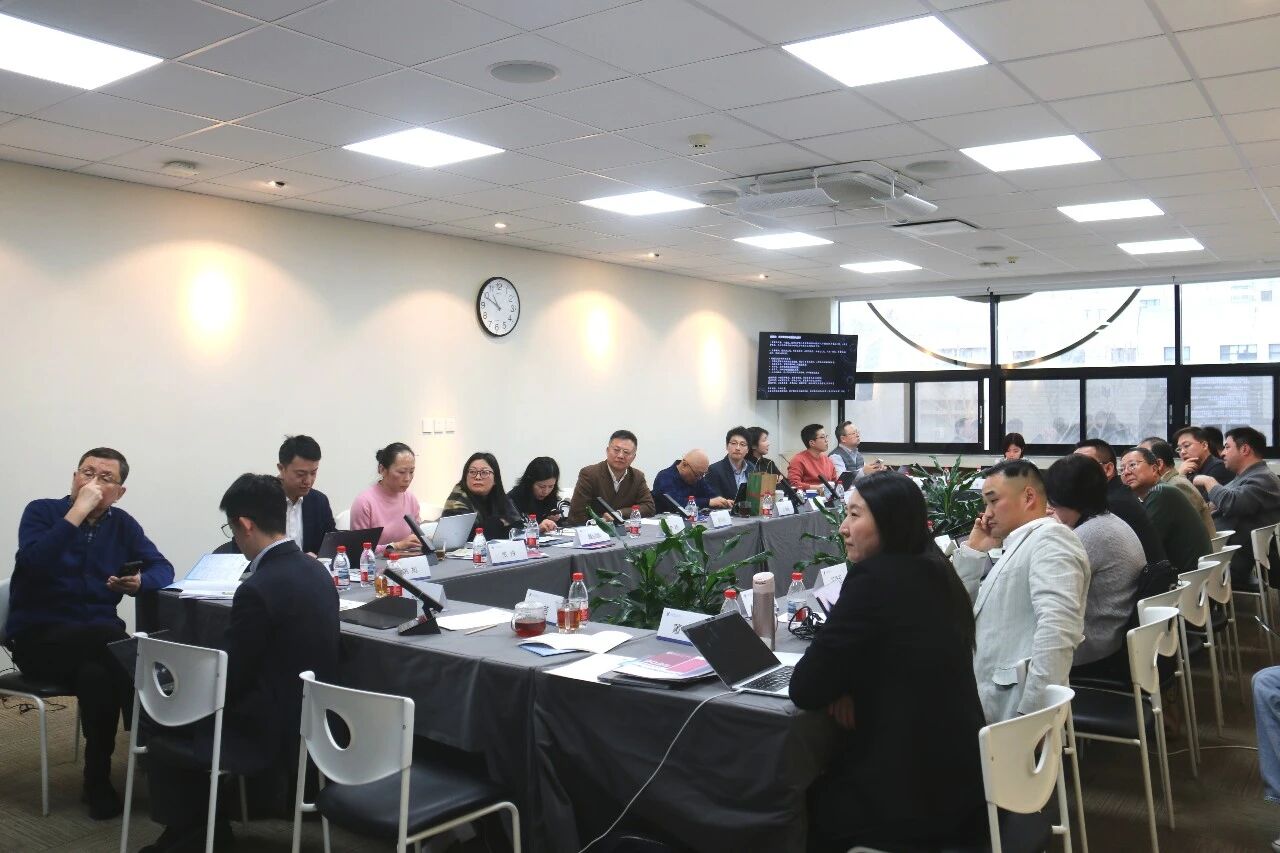
In closing remarks, Xiao Qian thanked the participants for their in-depth contributions, noting that AI development has become deeply embedded in great power strategic competition. Governance of AI, she emphasized, extends beyond technical norm-setting to encompass national security considerations and the reshaping of international order. The forum sought to address cutting-edge issues at the intersection of artificial intelligence and international security, provide a high-level, cross-disciplinary platform for dialogue, and contribute constructive proposals to global AI governance.