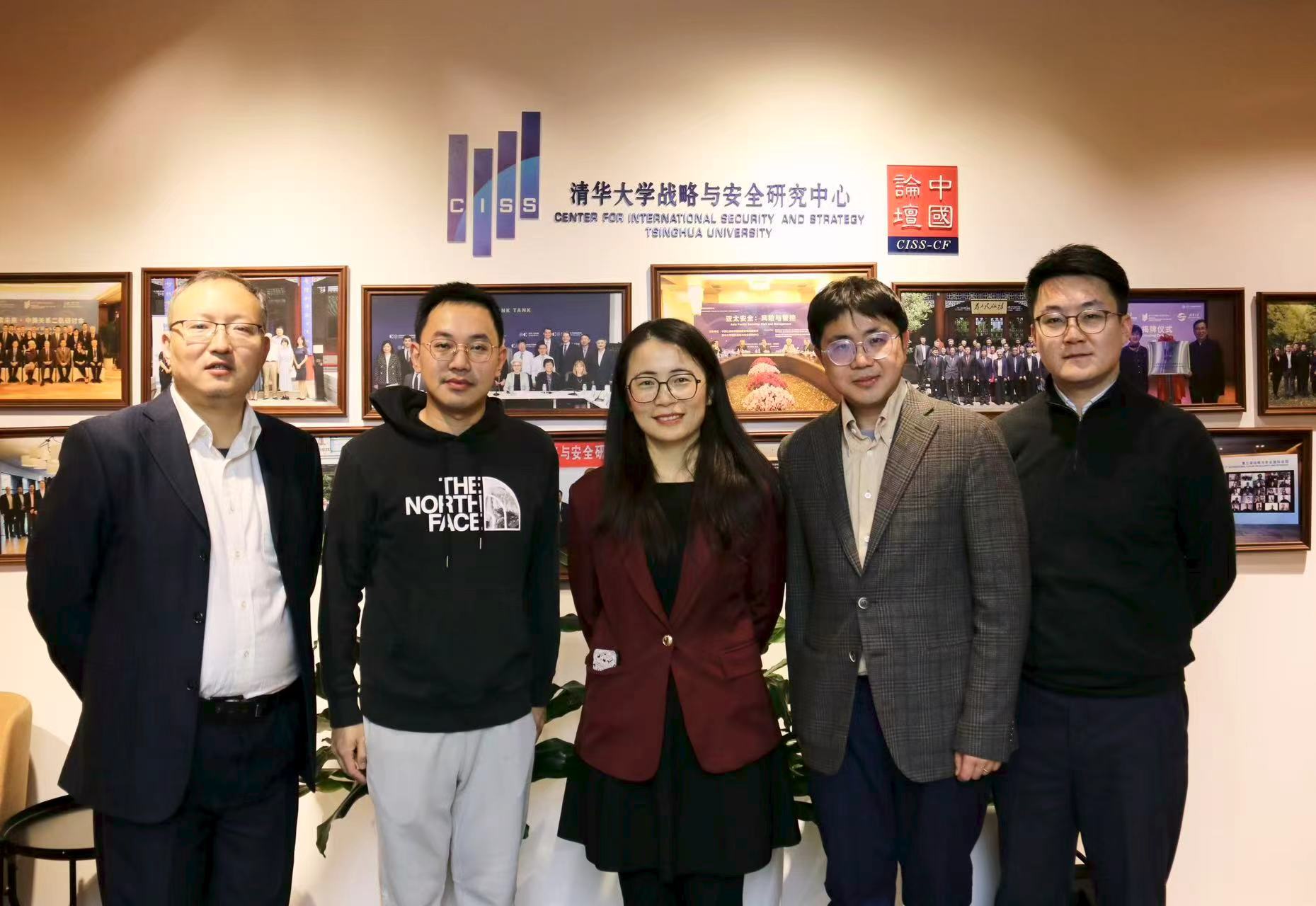
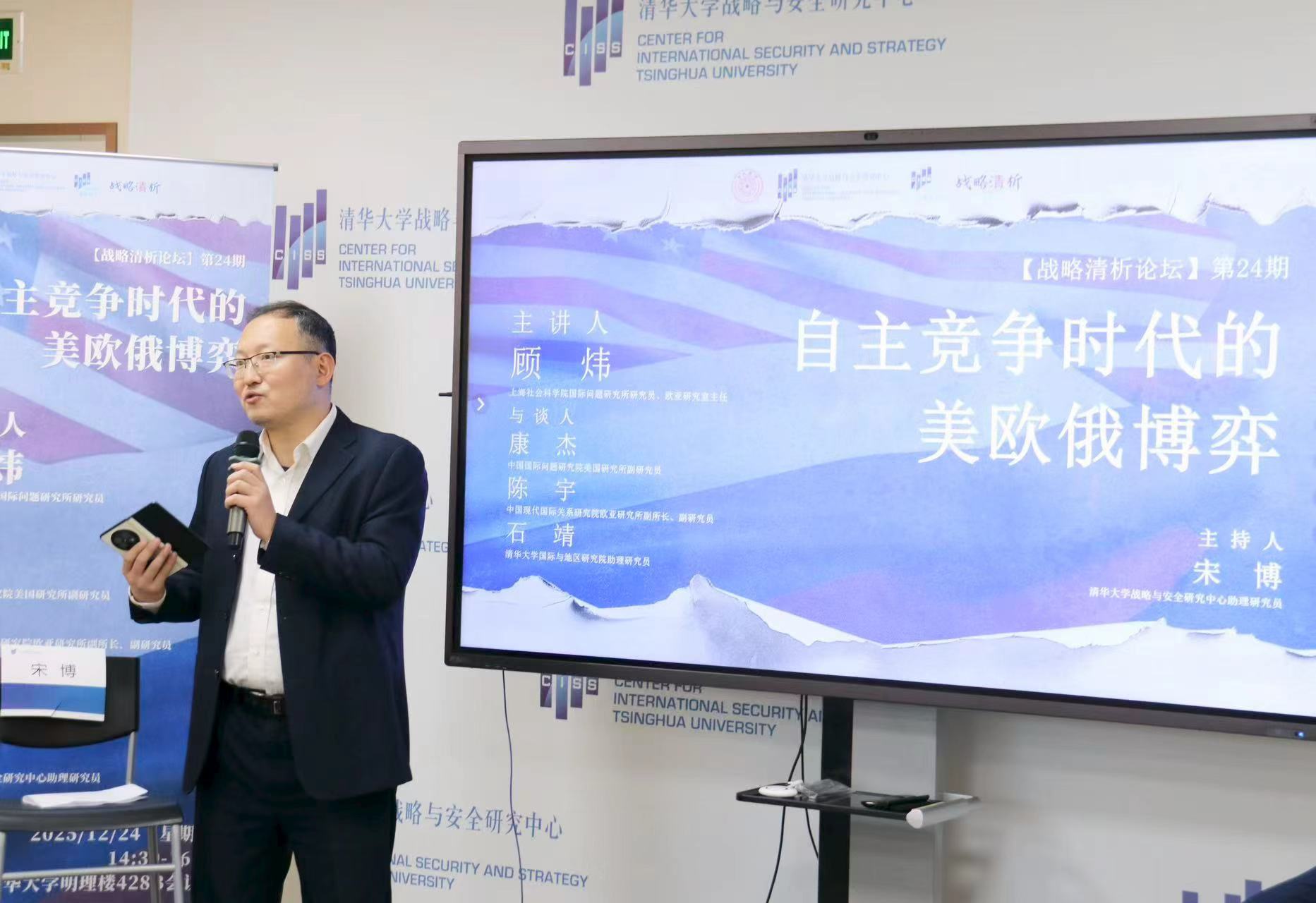
On December 24, 2025, the Center for International Security and Strategy (CISS) successfully hosted the 24th CISS StratFocus Forum, themed “U.S.-Europe-Russia Dynamics in the Era of Autonomous Competition”. The forum was moderated by Song Bo, Assistant Fellow at CISS. Gu Wei, Director and Research Fellow of the Eurasian Studies Division at the Institute of International Relations of the Shanghai Academy of Social Sciences, delivered the keynote address. Discussants included Kang Jie, Associate Research Fellow at the Institute of American Studies, China Institute of International Studies; Chen Yu, Deputy Director and Associate Research Fellow at the Institute of Eurasian Studies, China Institutes of Contemporary International Relations; and Shi Jing, Assistant Research Fellow at the Institute of International and Regional Studies, Tsinghua University.
Experts at the forum conducted in-depth discussions on the evolution of U.S.-Europe-Russia relations and broader trends in the global order. Participants generally agreed that the Russia-Ukraine conflict has profoundly reshaped Europe’s strategic landscape and propelled international relations into a new phase characterized by “competitive autonomy”. The future trajectory of a multipolar world, they noted, is increasingly embedded in the complex interactions among the U.S., Europe, and Russia.
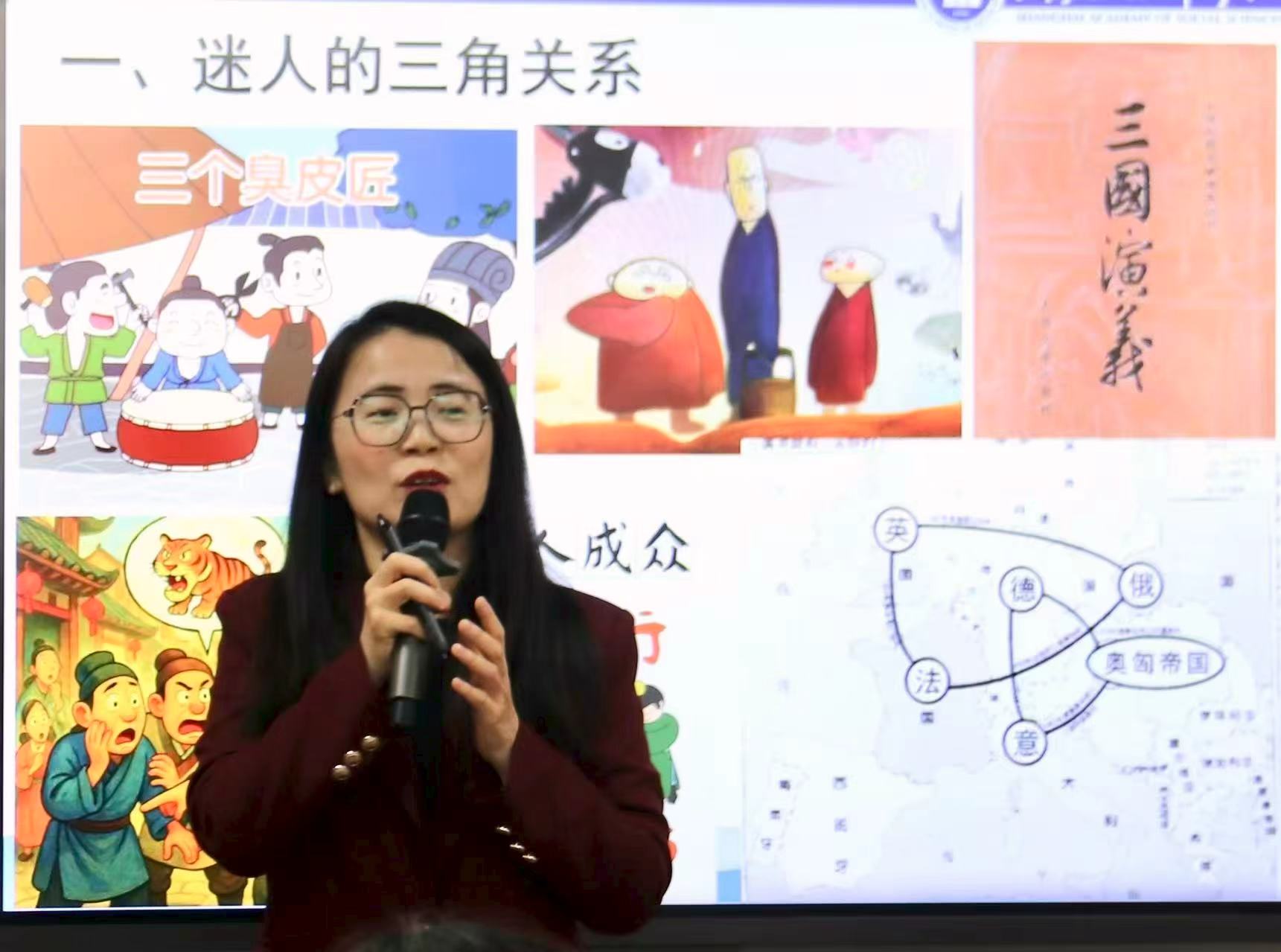
Gu Wei systematically examined the history and current state of the U.S.-Europe-Russia triangular relationship. She argued that “competitive autonomy” has become a central pathway through which major powers pursue their interests. The long-standing postwar pattern of “U.S. leadership with European alignment in joint opposition to Russia” has undergone fundamental change. Since the outbreak of the Russia-Ukraine conflict, traditional trilateral relations have taken on a more bilateralized character. Europe’s security anxieties have intensified, accompanied by a severing of energy dependence on Russia; the U.S. and the European Union have formed a form of “wartime unity” against Russia, while the U.S., amid a shift in strategic priorities, has largely provided support at a distance. Gu observed that by 2025, the trilateral relations displayed distinct features: U.S.-Russia relations showed tentative adjustment but remained highly fragile; U.S.-EU relations experienced growing frictions stemming from U.S. unilateral tendencies and burden-sharing disputes in defense; and Russia-EU relations, after a painful period of energy decoupling and “disconnection”, paradoxically exhibited a degree of renewed resilience. She concluded that adjustments in this trilateral competitive pattern are accelerating global multipolarization, while effective global governance requires a shift from major-power rivalry toward major-power coordination.
Kang Jie complemented the discussion by analyzing “resilient autonomy” from the perspectives of domestic politics and industrial policy. He argued that major powers’ pursuit of autonomy entails complex internal adjustments and may generate new forms of external dependence. Using the U.S.’ efforts to build critical mineral supply chains as an example, he highlighted the practical constraints facing such policies. Kang emphasized that autonomy is fundamentally a strategic choice, implying a redefinition of friends and adversaries and enhanced policy counter-capabilities in selected domains.
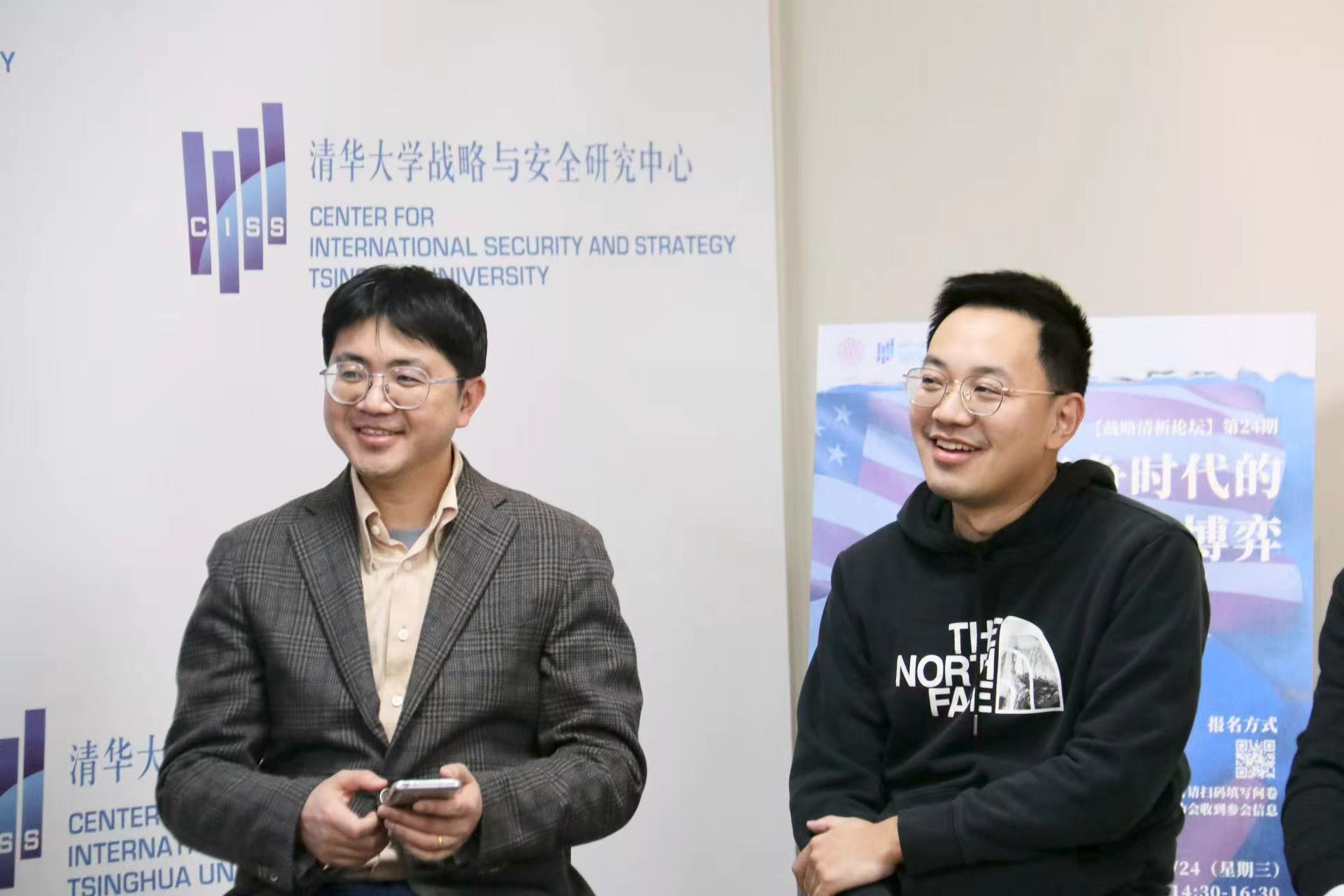
Chen Yu focused on European strategic autonomy and evolving patterns of major-power interaction. He noted that whether Europe can act as an independent strategic actor constitutes one of the key variables of this era. As the framework of the U.S. unipolar dominance weakens and the influence of middle powers rises, a new landscape of major-power co-governance is gradually taking shape. He cautioned, however, that domestic political factors may constrain the implementation of major-power strategies and underscored the need to account for the real impact of third-party interventions on Russia-Europe relations.
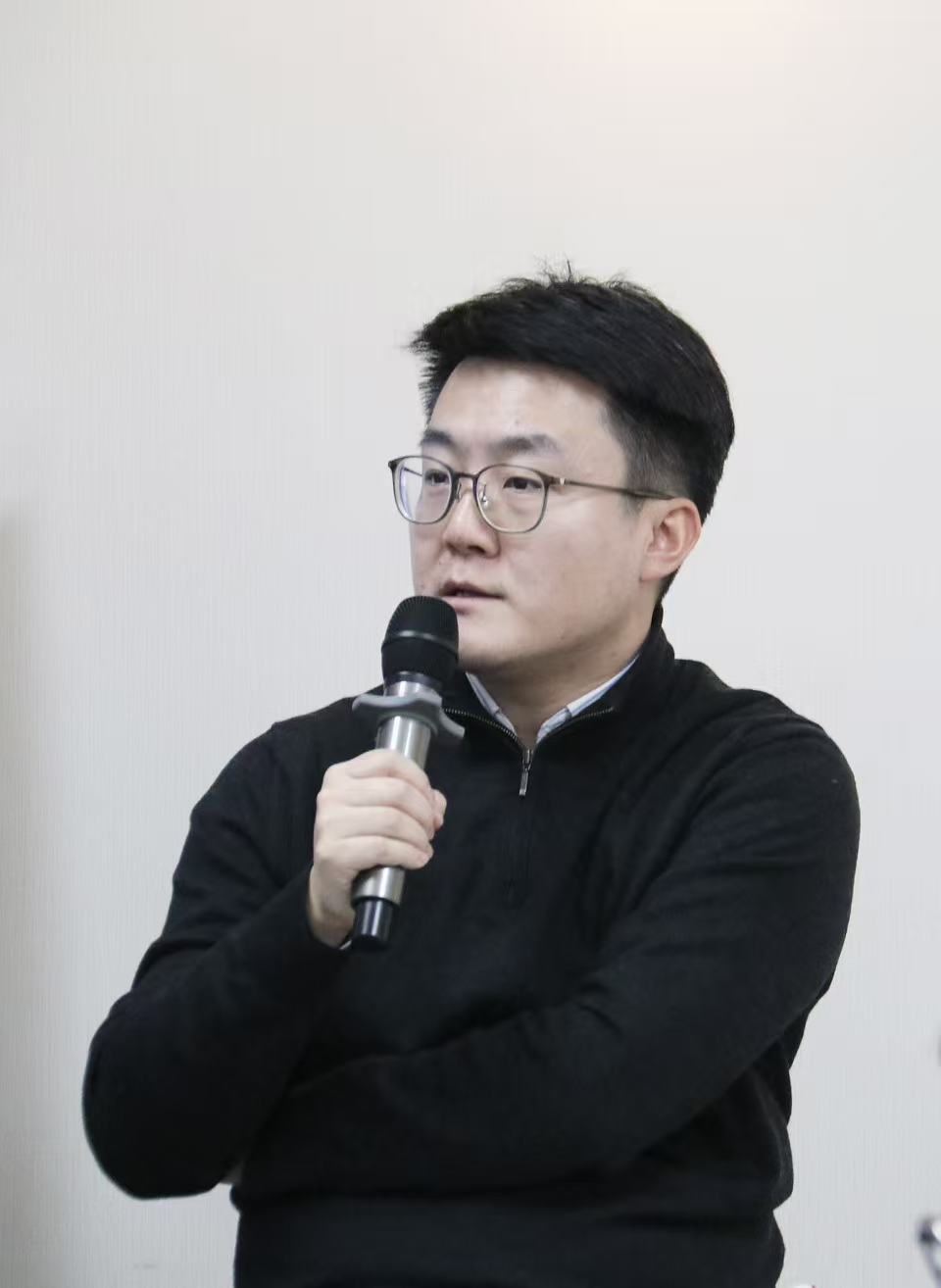
Shi Jing concluded with a methodological reflection. He argued that the concept of “autonomy” requires further theoretical refinement and that research should move beyond surface-level changes to grasp underlying structural trends. Comparing Chinese and international scholarly perspectives, he called for future Eurasian studies to place greater emphasis on systematic analysis of intraregional linkages in order to better understand the region’s complex geopolitical environment.
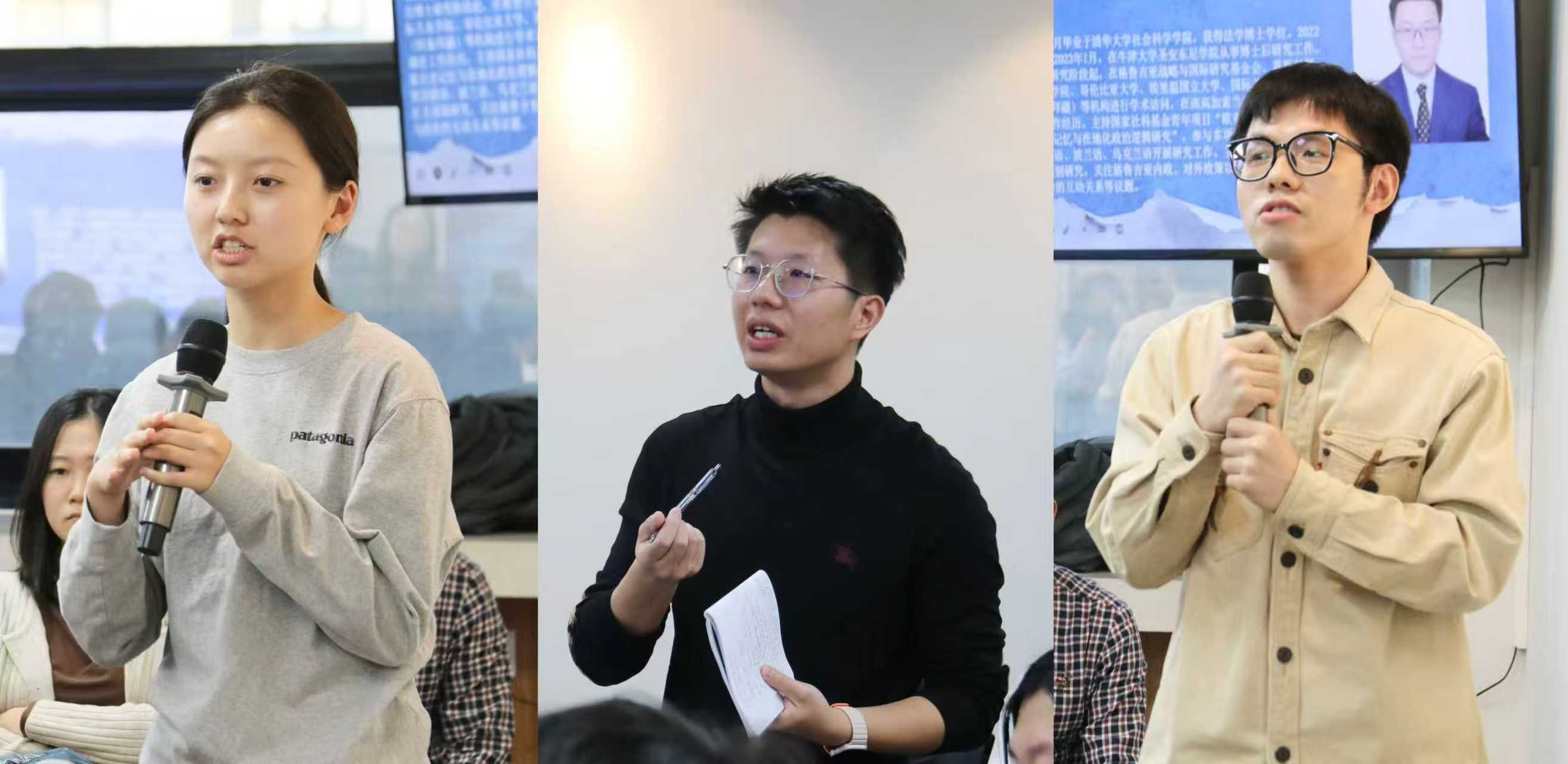
During the interactive session, speakers engaged with faculty and students on key conceptual definitions and shifts in the international order, and addressed more than 20 questions submitted online by the audience. The forum offered valuable insights into the evolving dynamics of contemporary major-power relations.