To advance research on transboundary water governance in the Lancang–Mekong region and deepen academic cooperation with regional partners, the project team of the Lancang–Mekong Transboundary Water Resources Observatory under the Tsinghua University Center for International Security and Strategy (CISS) conducted academic exchanges and field research in Cambodia and Laos from December 2 to 7, 2025. The delegation was headed by CISS Director and project expert Da Wei, and included Hu Bo, Special Expert at CISS and Director of the Center for Maritime Strategy Studies at Peking University; Song Bo, Assistant Research Fellow at CISS; Zhao Zilong, Postdoctoral Fellow at Tsinghua University’s Department of Hydraulic Engineering; and Wang Jie, Program Officer of the Observatory.
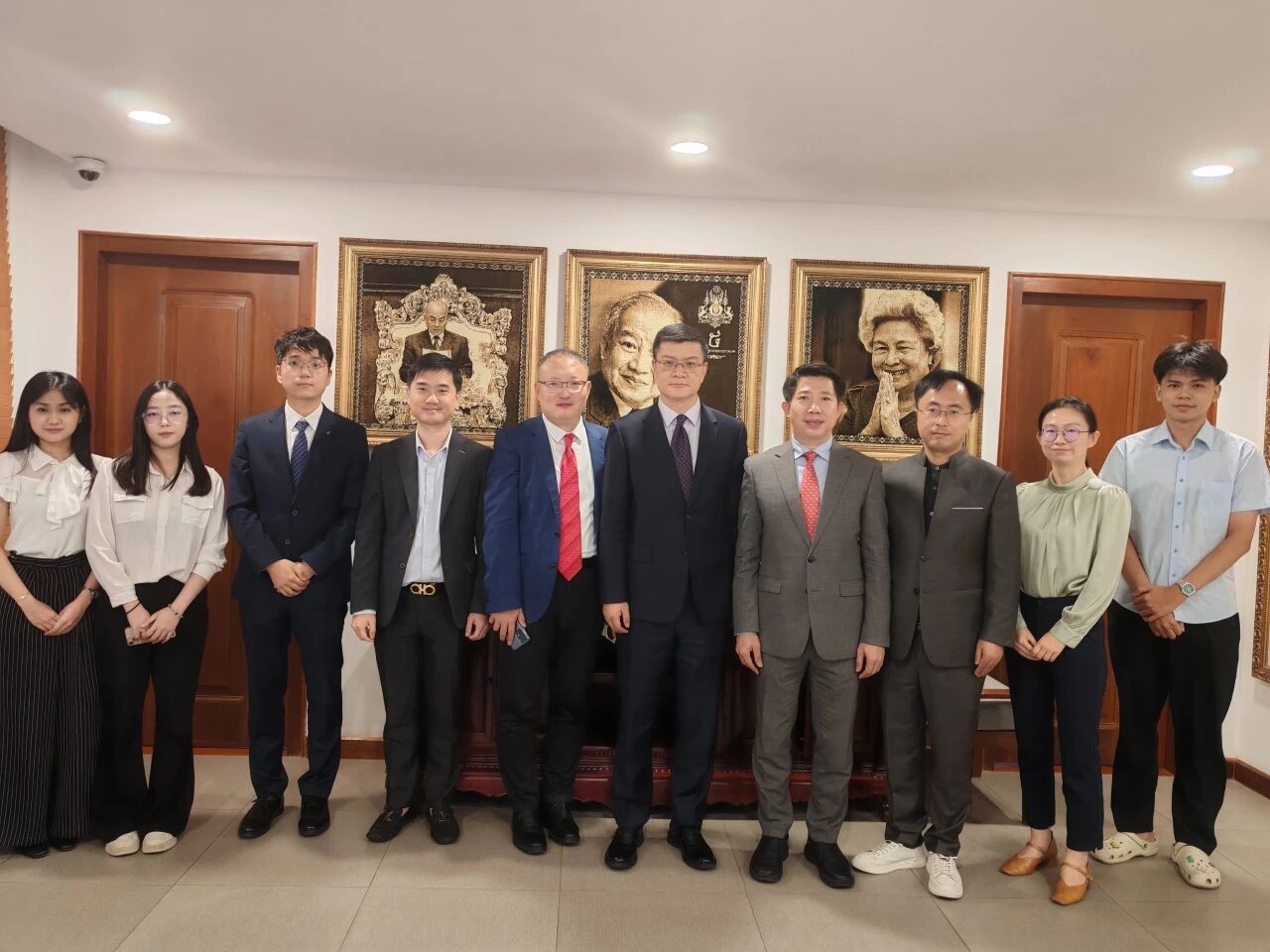
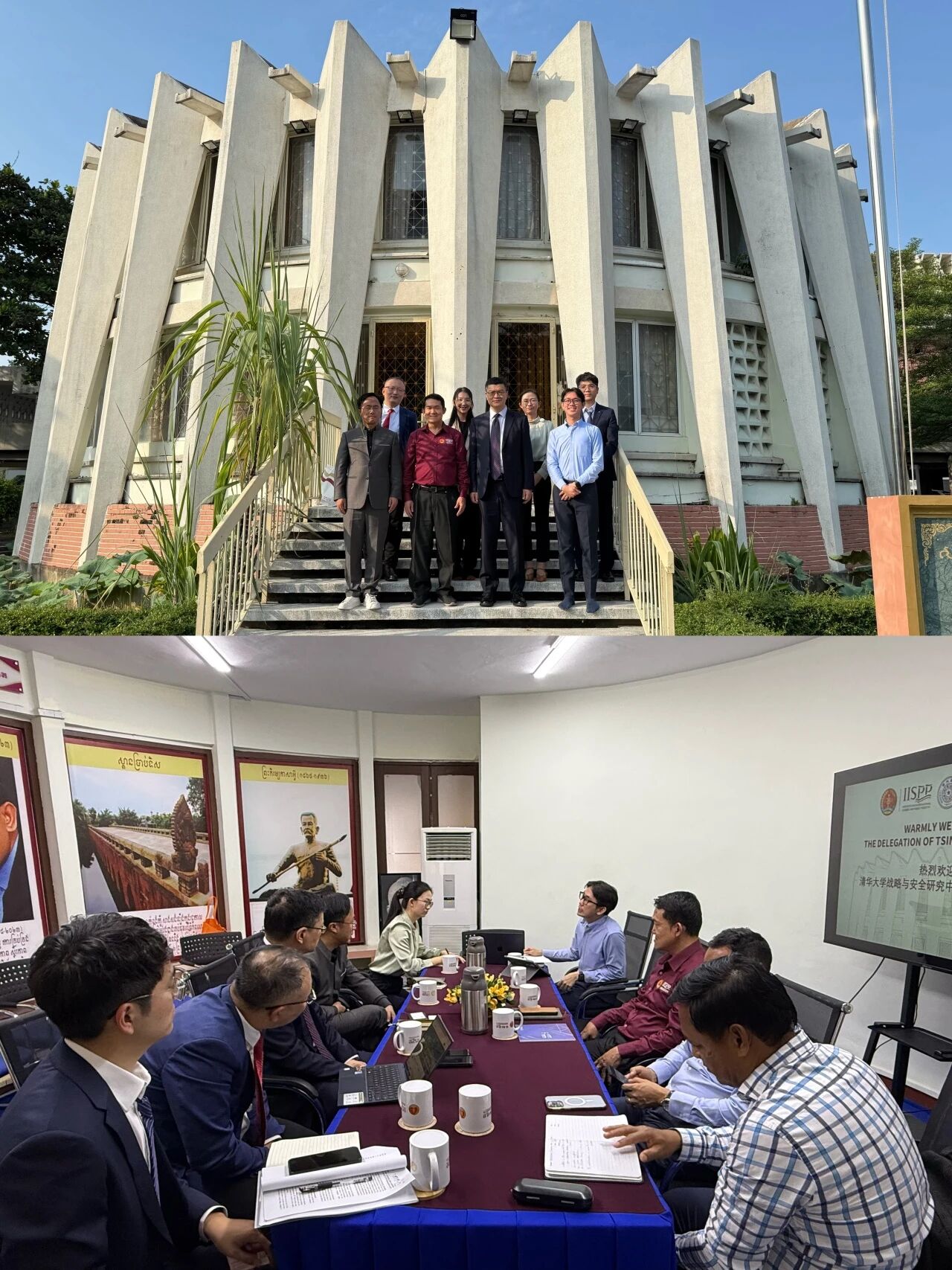
From December 2 to 4, the delegation conducted intensive meetings in Cambodia. On the morning of December 2, they visited the Asian Vision Institute, holding discussions with Secretary-General Chheang Vannarith and Mekong Center Director Lim Mengheang on Mekong governance, water resource utilization, youth training, and challenges to regional cooperation.In the afternoon, the delegation visited the Institute for International Studies and Public Policy (IISPP) at the Royal University of Phnom Penh, exchanging views with Deputy Director YUN Kea and fellow scholars on regional security, Southeast Asia’s strategic landscape amid major-power competition, China–Cambodia relations, and water-related issues.
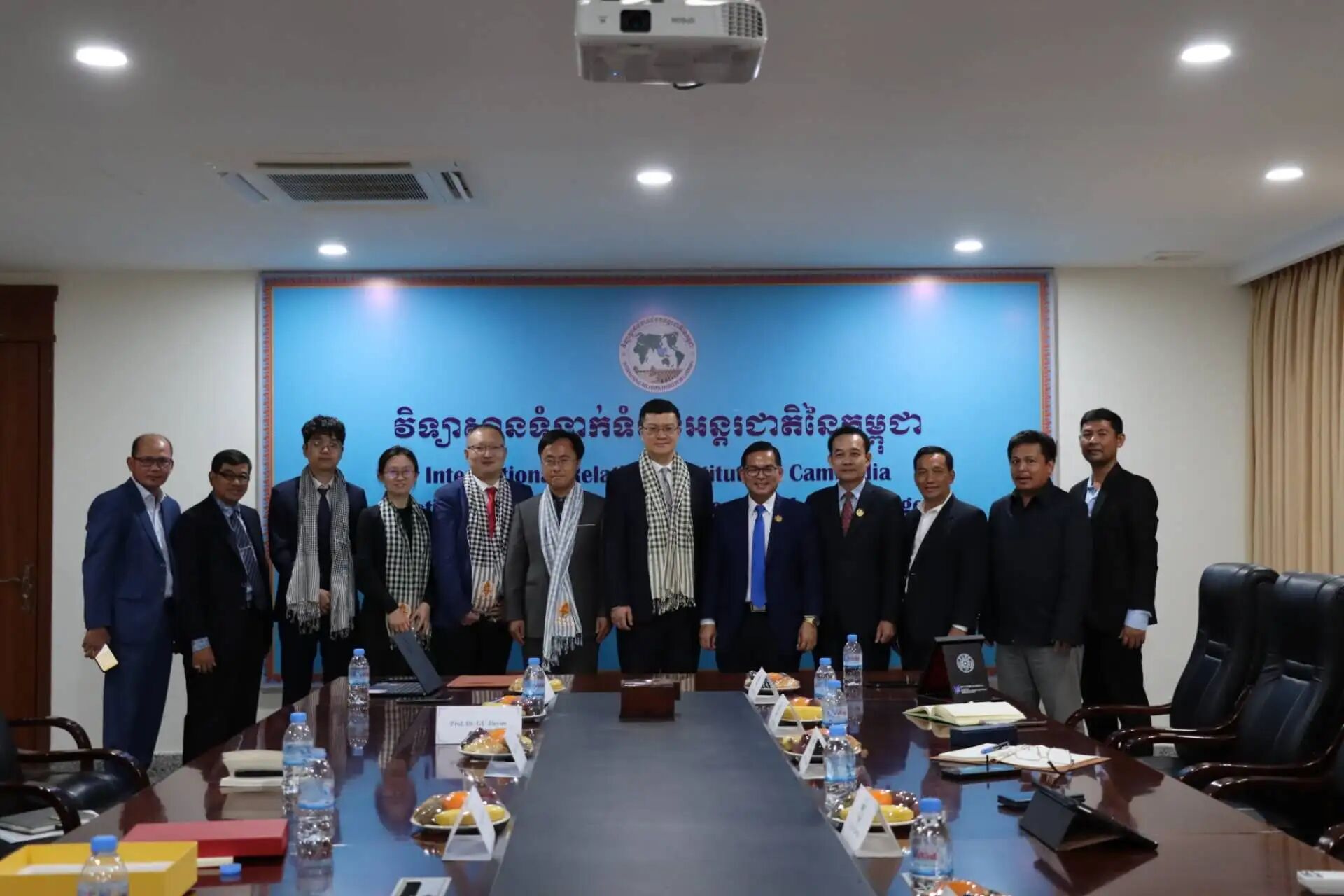
On December 3, they met with the Institute of International Relations of the Royal Academy of Cambodia. Discussions with Director Kin Phea and researchers focused on the role of small and medium-sized countries in Mekong cooperation, policy communication on water issues, and emerging trends in Mekong governance.That afternoon, the delegation visited the General Directorate of Nature Conservation at Cambodia’s Ministry of Environment to discuss water monitoring, scientific cooperation mechanisms, training systems for water-resource management, and potential ecological protection projects.On December 4, the group visited the Cambodia Development Resource Institute (CDRI), where they met with Executive Director Eng Netra to explore institutionalized cooperation, joint research, publication collaboration, and capacity-building programs.
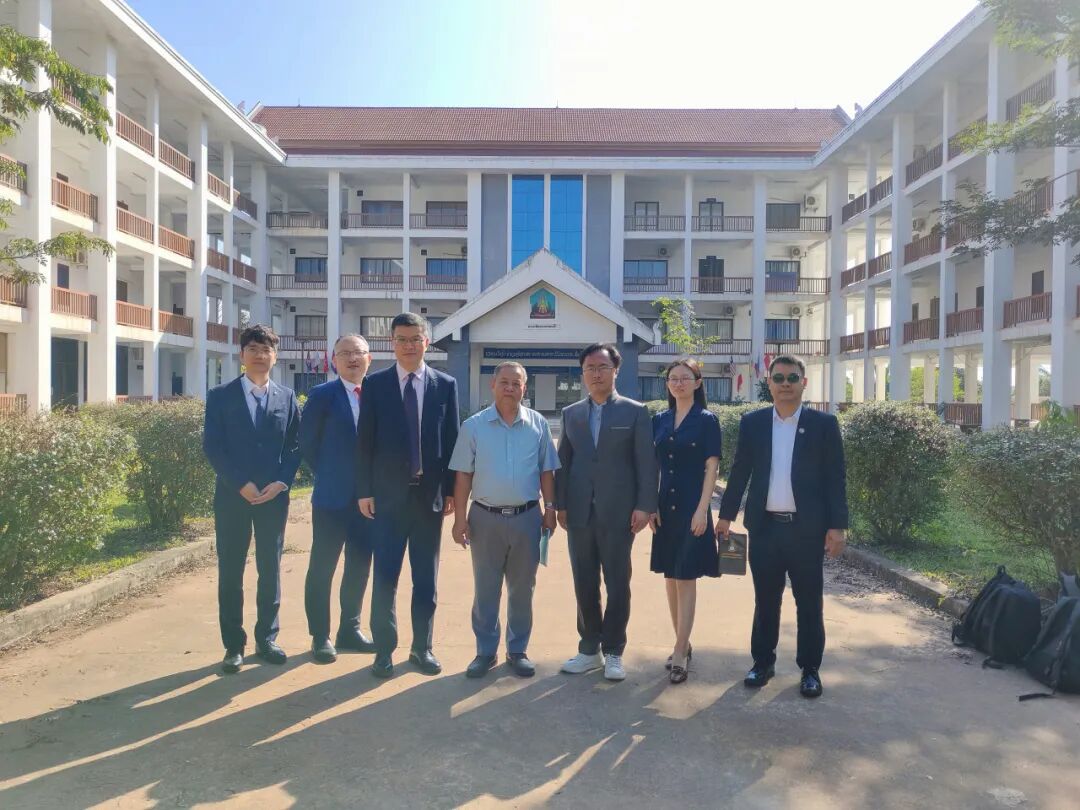
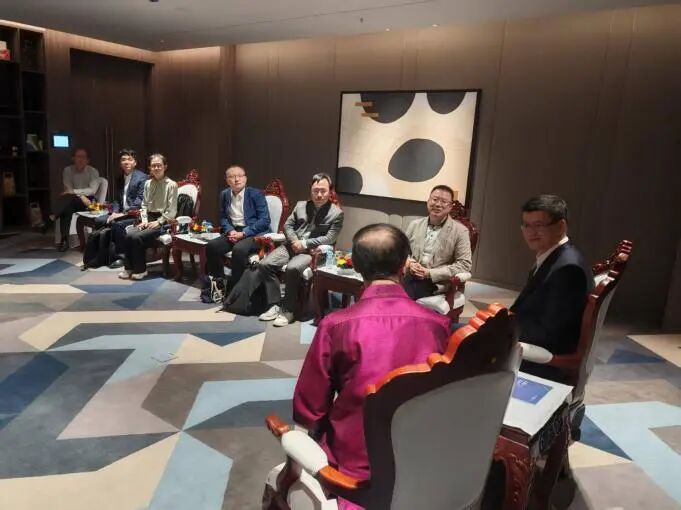
 From December 5 to 7, the delegation traveled to Laos. On December 5, they met with the Department of Water Resources at the National University of Laos to discuss hydropower development, water quality monitoring, sediment transport, hydrological database construction, transboundary basin management, and local research capacity needs.Later that evening, the delegation met with Alounxay Kittikhoun, former Lao Deputy Foreign Minister and former Permanent Representative to the United Nations. Drawing on his extensive diplomatic and governmental experience, he shared insights into Laos’s assessment of regional dynamics, cross-border cooperation, and domestic policy trends, offering recommendations on strengthening Lancang–Mekong cooperation.
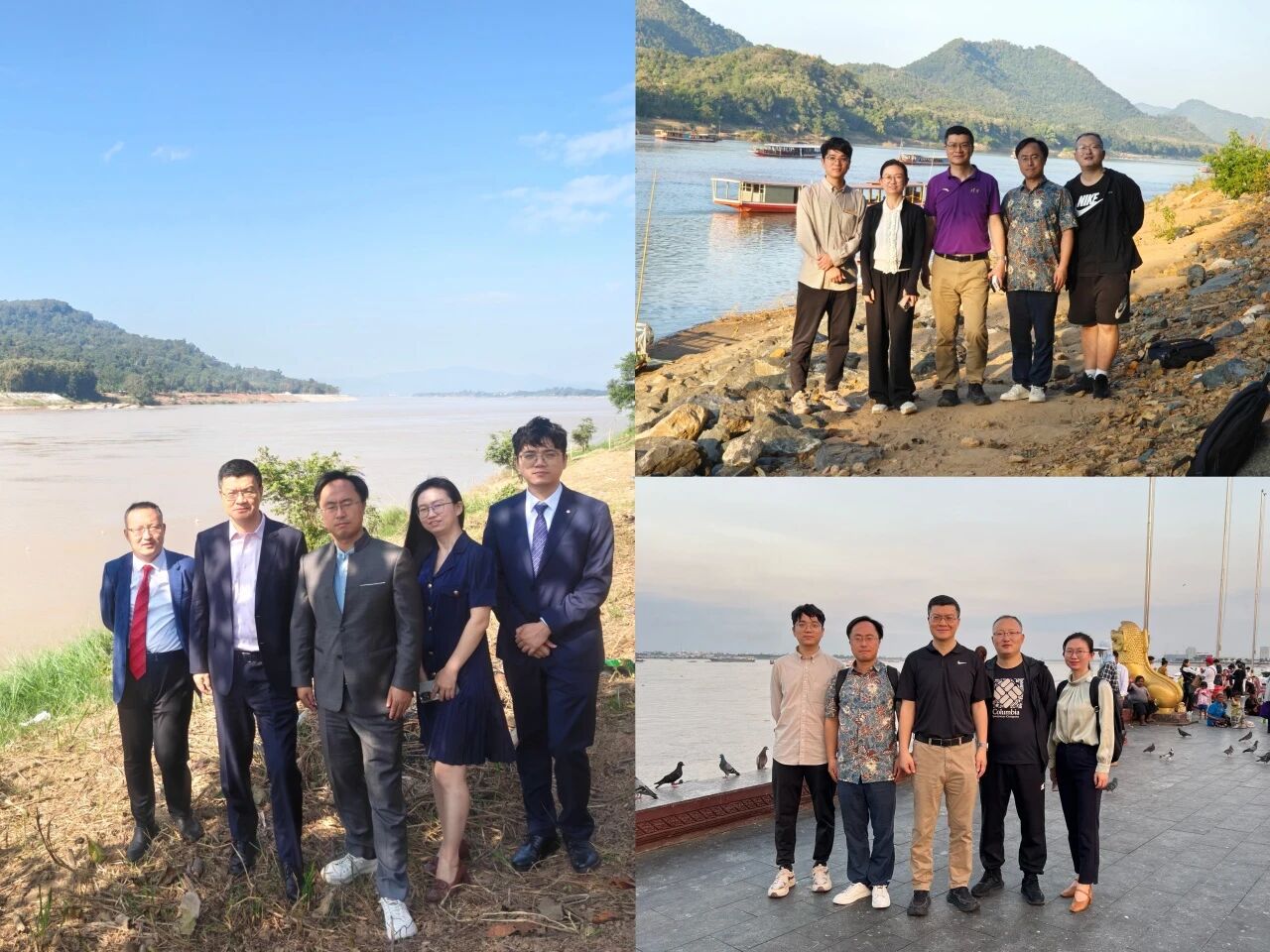
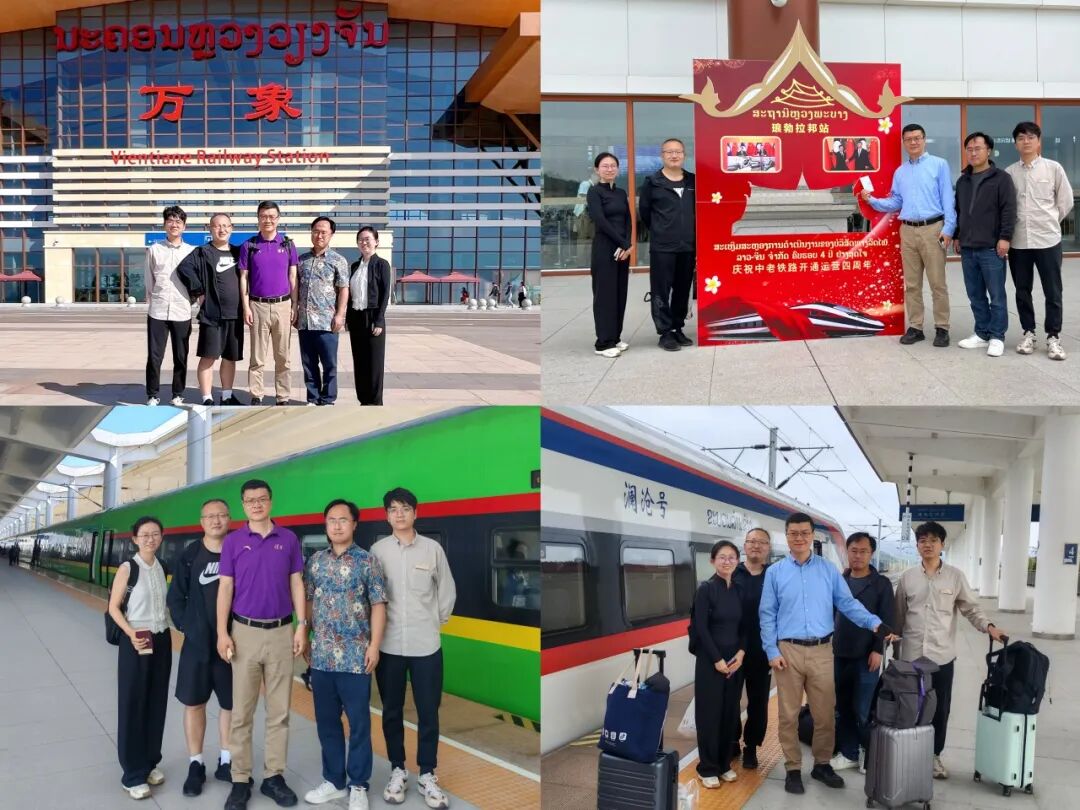
To better understand on-the-ground conditions, the delegation conducted field surveys at the confluence of the Tonlé Sap and Mekong Rivers in Cambodia, as well as along the Mekong section bordering Laos and Thailand. They documented riverbank ecology, community livelihoods, and local water-use dependence.The delegation also experienced the operation of the China–Laos Railway, gaining firsthand understanding of how improved connectivity influences long-term basin governance and regional development. They traveled by train from Vientiane to Luang Prabang, then continued onward to Yunnan, China.
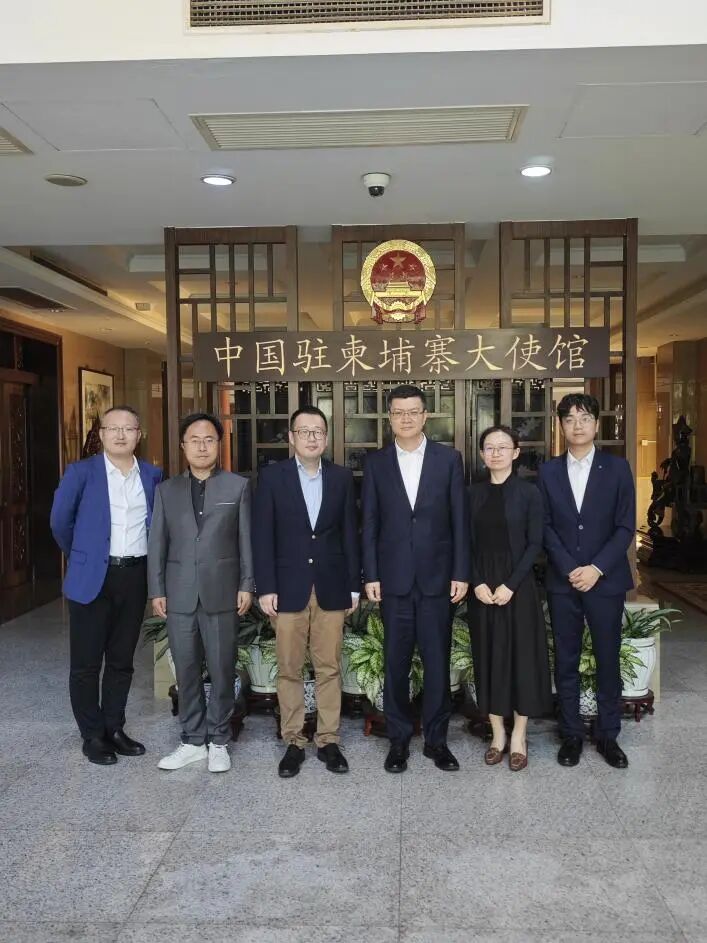
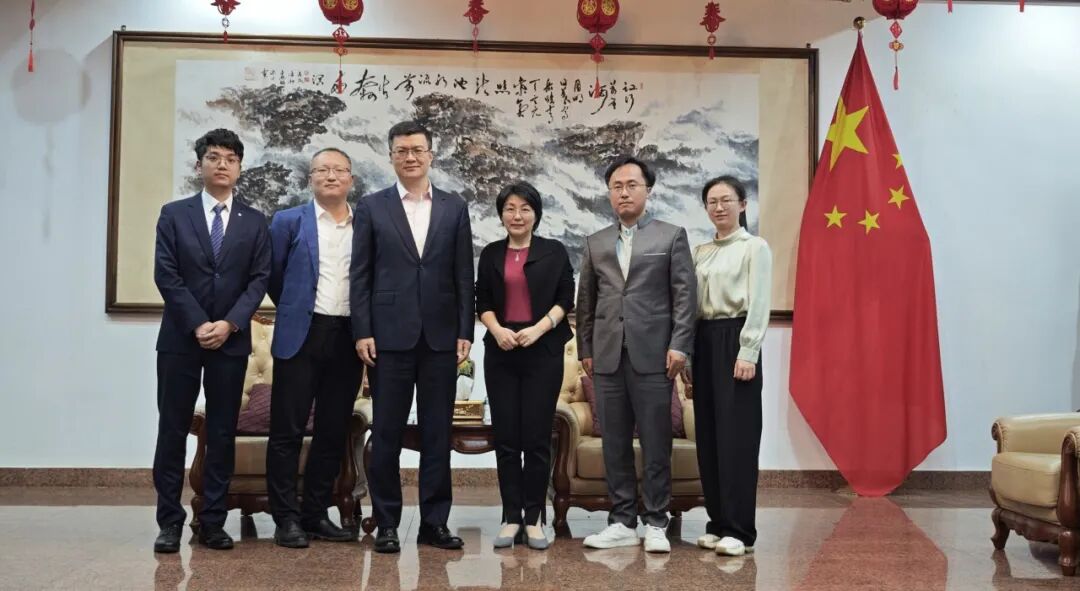
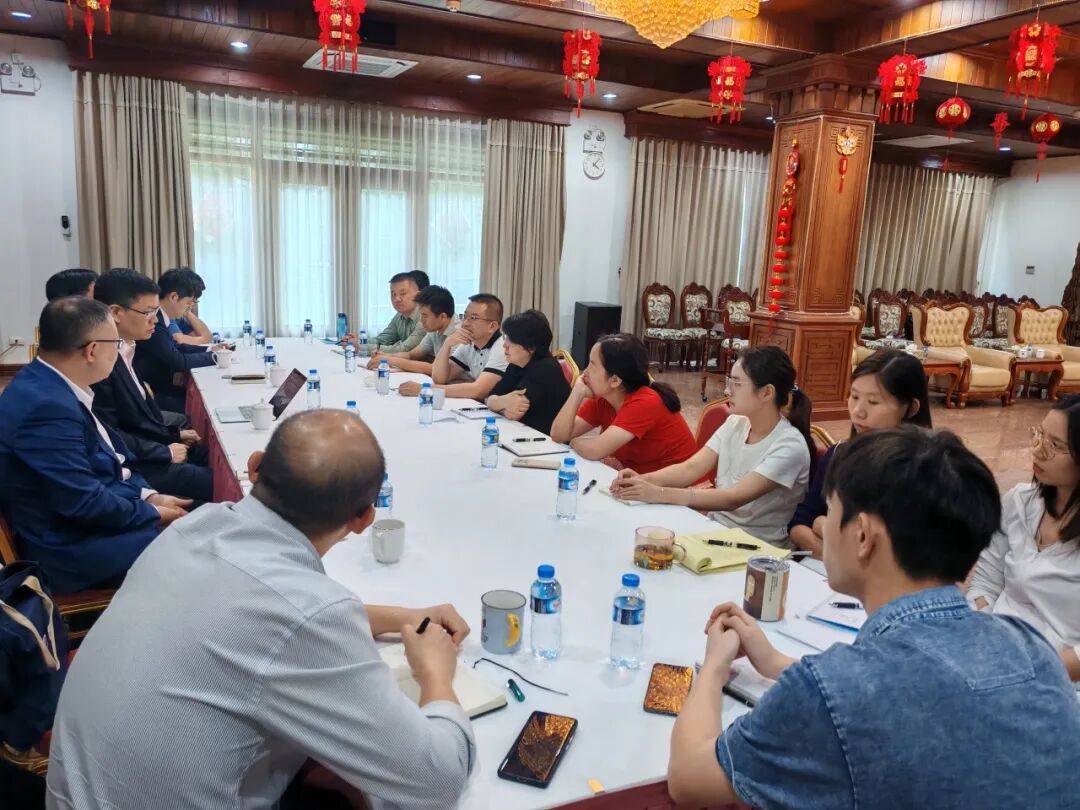
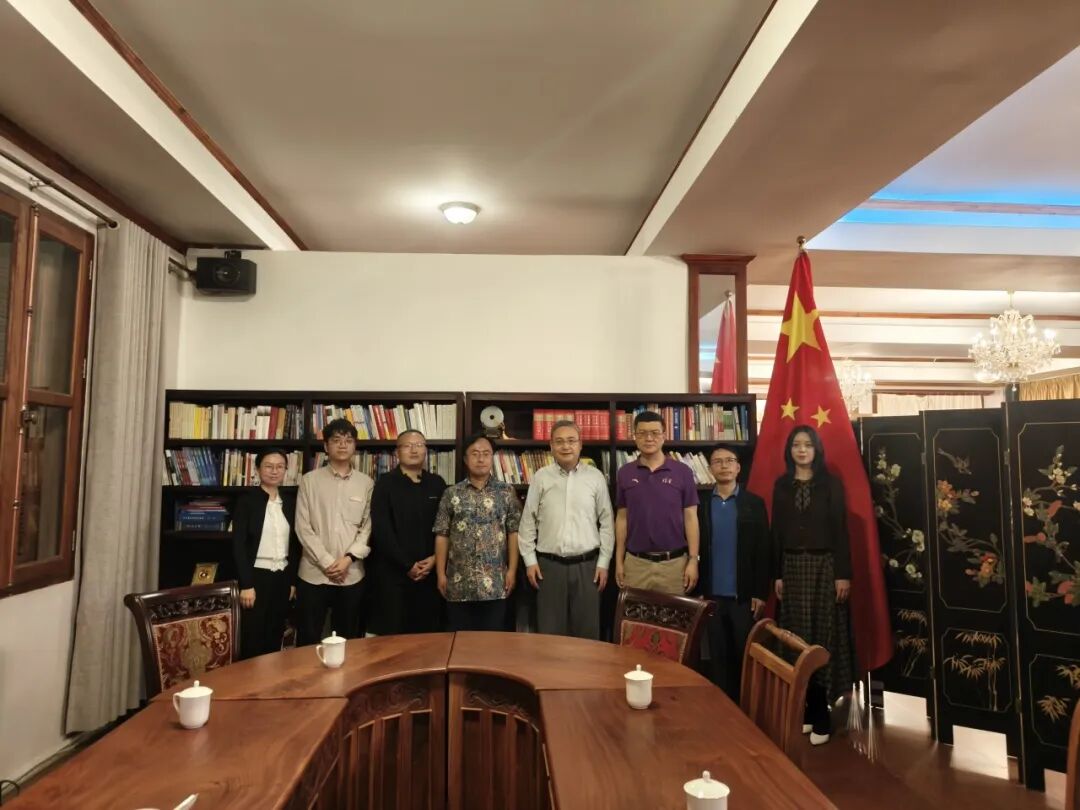
During the visit, the delegation met with Chinese diplomatic missions in both countries.On December 3, they exchanged views with Minister Counsellor Chen Cong at the Chinese Embassy in Cambodia.On December 5, they met with Chinese Ambassador to Laos Fang Hong for in-depth discussions on Laos’s domestic political and social dynamics, foreign assistance, Chinese investment projects, and improving customs efficiency along the China–Laos Railway. Delegation members Da Wei, Hu Bo, and Song Bo each engaged on topics related to their research fields.On December 6, they visited the Chinese Consulate-General in Luang Prabang and discussed China–Laos relations, connectivity initiatives, northern cooperation zones, and border governance with Consul-General Zhang Sheping.
This research trip deepened the project team’s understanding of the water-cooperation needs of Lancang–Mekong countries, regional security dynamics, and socio-economic conditions in the basin. Moving forward, the Lancang–Mekong Transboundary Water Resources Observatory will continue strengthening research networks, expanding cross-border collaboration, and enhancing its international communication capacity. The platform aims to contribute professional expertise to support sustainable water-resource utilization in the Lancang–Mekong region and further strengthen China’s relations with neighboring countries.