From November 1 to 5, 2025, Niu Qiyang, a doctoral research fellow at the Center for International Security and Strategy (CISS), Tsinghua University, was invited to participate in the 63rd Pugwash Conference on Science and World Affairs, themed “80 Years After the Atomic Bomb: The Timeliness of Peace, Dialogue, and Nuclear Disarmament.” The conference brought together over a hundred scholars and policymakers from around the world, including former Iranian Foreign Minister Mohammad Javad Zarif, former Palestinian Foreign Minister Nabil Qidwa, and former Israeli Prime Minister Ehud Olmert.
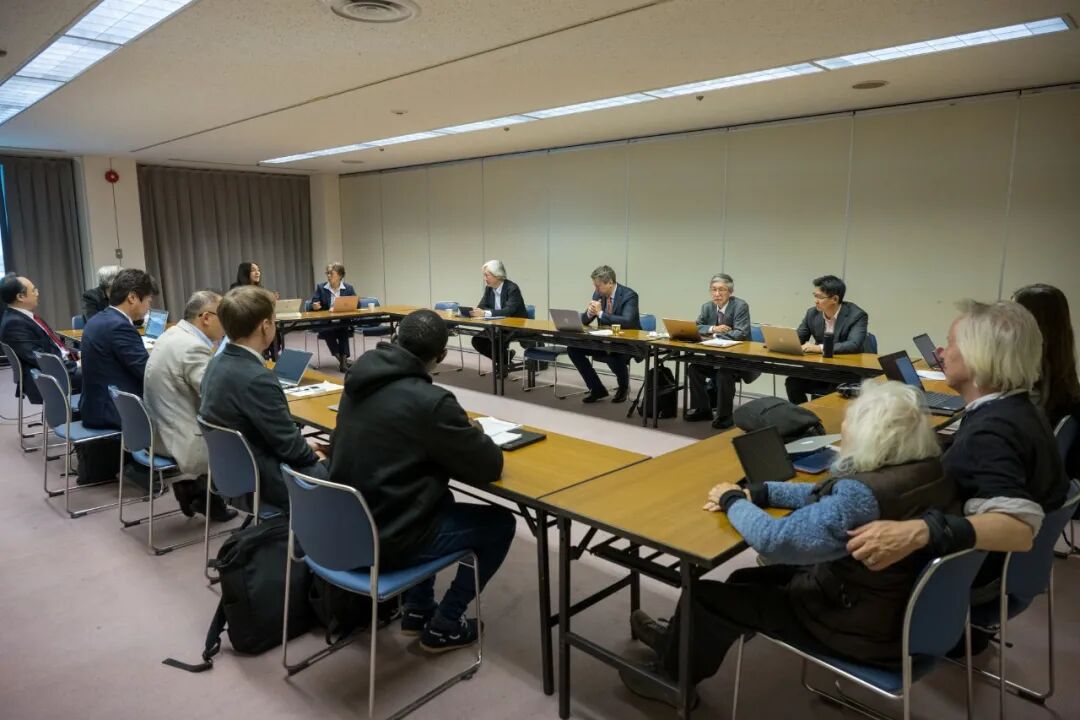
The conference organized participants into six working groups, each focusing on specific regions and thematic issues to discuss current challenges and measures for risk reduction. Niu Qiyang joined the Third Working Group on the Asia-Pacific and Nuclear Weapons, alongside scholars from the U.S., Russia, Japan, South Korea, Australia, and Germany. He delivered a keynote on “U.S.-China Relations and Nuclear Risk” and led the drafting of the group’s summary report.
The report covered topics such as U.S.-Japan-South Korea cooperation, security relations among Northeast Asian countries, Indo-Pacific multilateral mechanisms, nuclear risks, and arms racing. It highlighted key issues including denuclearization and risk management on the Korean Peninsula, regional nuclear submarine programs and proliferation risks, strategic miscalculations and nuclear risks in U.S.-China bilateral security issues, as well as regional missile issues and prospects for halting nuclear tests. The report emphasized that while regional tensions and miscalculation risks are rising, there remains space for dialogue and risk reduction. It called for exploring policy frameworks tailored to national realities and establishing more institutionalized regional communication mechanisms to promote constructive diplomacy, crisis management, and long-term peace.
The conference declaration and working group reports are publicly available.