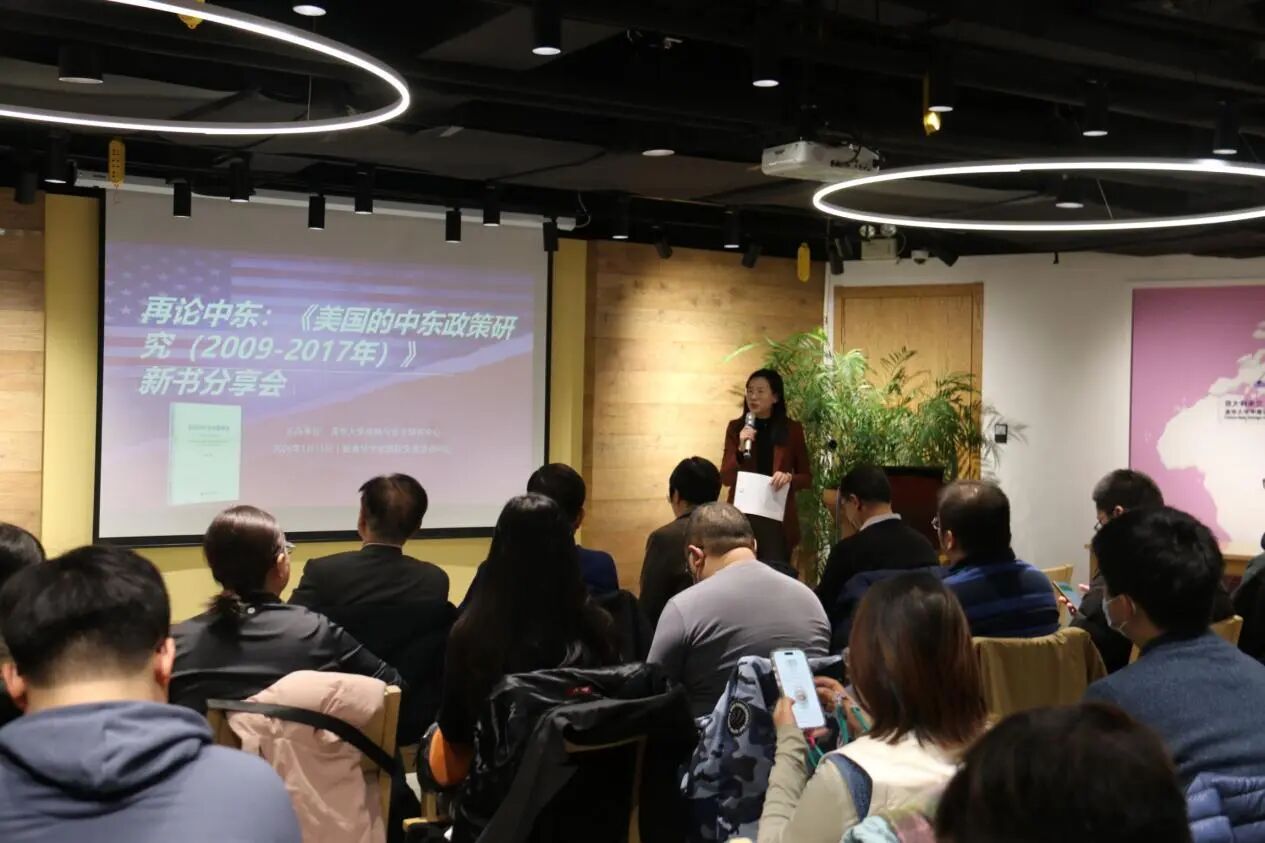
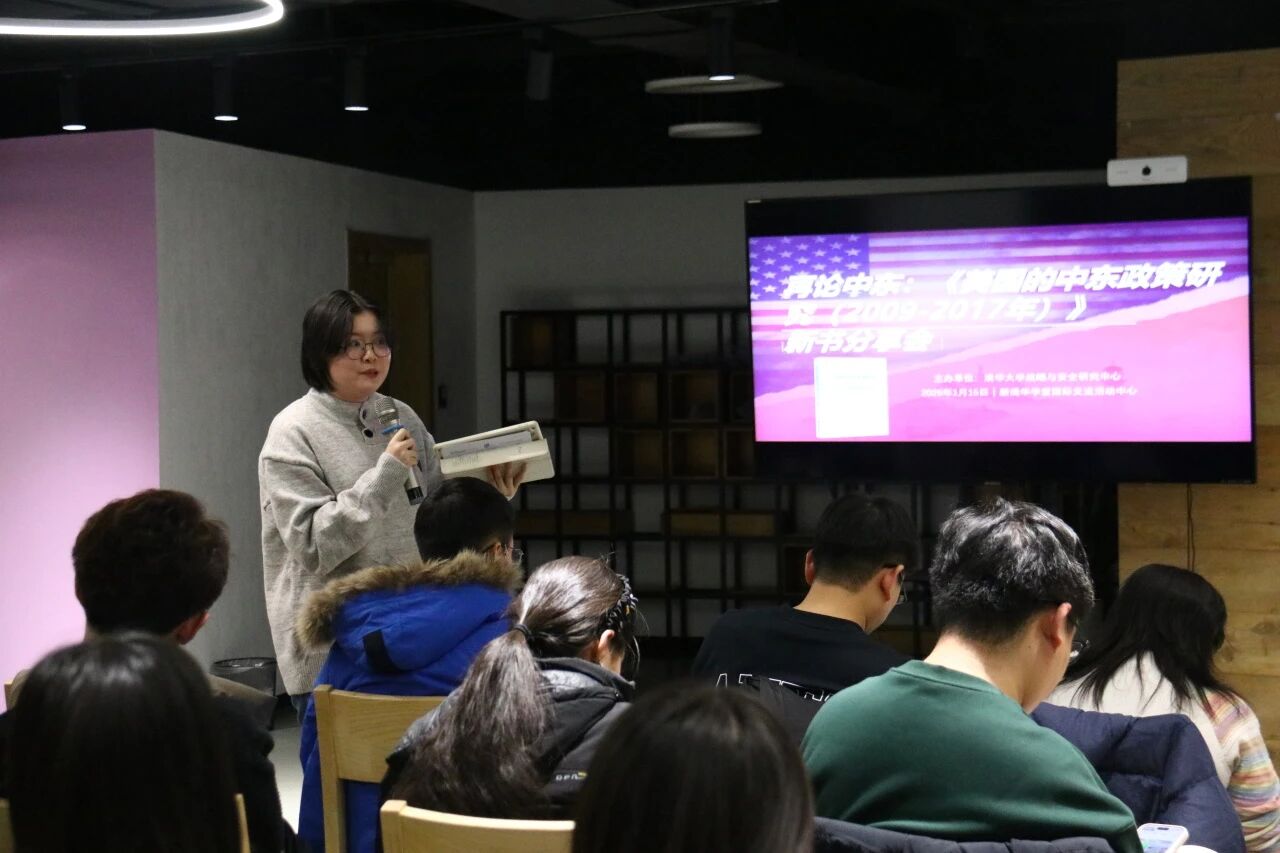
On January 15, 2026, the Center for International Security and Strategy (CISS) at Tsinghua University successfully hosted a book talk for U.S. Middle East Policy (2009-2017), a new monograph by Wen Jing, Postdoctoral Researcher at CISS and Director of Media and Communications for the China Forum. The event attracted more than 70 participants, including scholars, media professionals, and students.
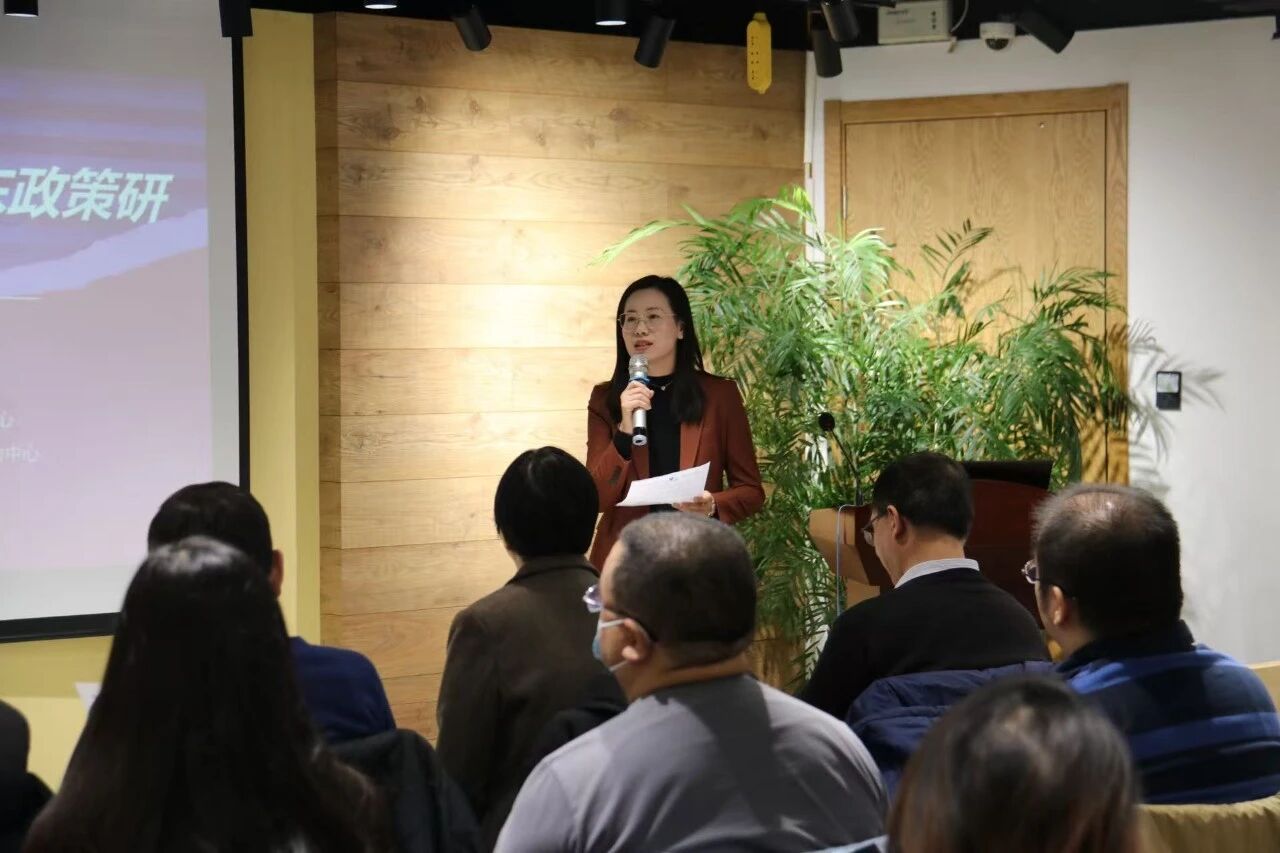
Attendees included Da Wei, Director of CISS; Wu Sike, Member of the Chinese People’s Political Consultative Conference (CPPCC) and former Special Envoy of the Chinese Government on the Middle East Issue; Wang Qin, Editor-in-Chief of World Knowledge Press; Liao Baizhi, Director of the Institute of Middle East Studies at the China Institutes of Contemporary International Relations (CICIR); and Yu Guoqing, Research Fellow at the Institute of West Asian and African Studies of the Chinese Academy of Social Sciences. The event was moderated by the author, Wen Jing.
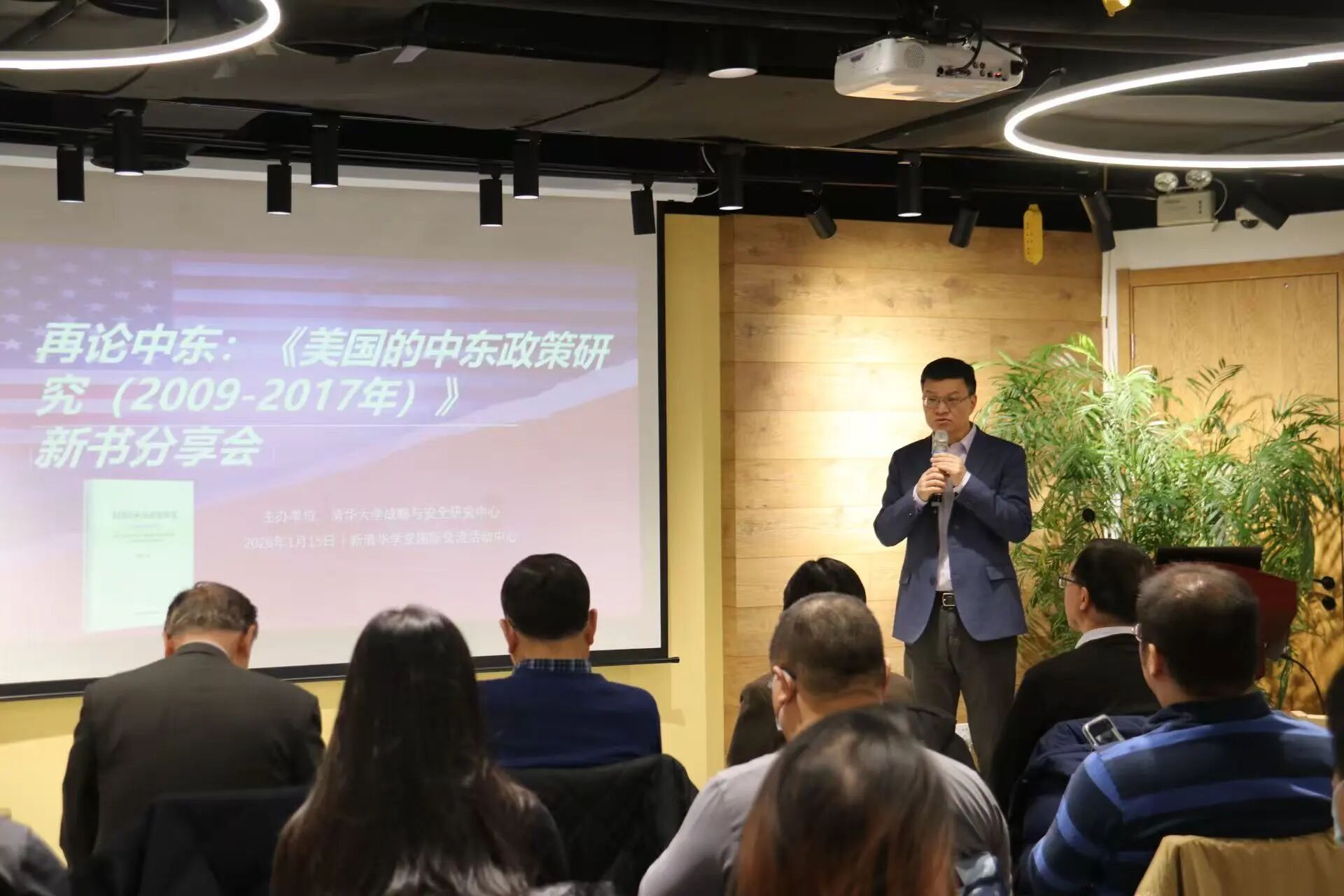
In his opening remarks, Professor Da Wei warmly welcomed the guests and offered high praise for the book from a scholarly perspective. He noted that the Middle East serves as a mirror for understanding U.S. foreign policy, which has demonstrated a clear and long-term trajectory in the region. He emphasized that the book’s systematic review and comprehensive assessment of U.S. Middle East policy during the Obama administration holds significant academic value and practical relevance.
From a publisher’s perspective, Wang Qin discussed the academic impact of the book. Drawing on its four core themes, she highlighted how the volume systematically analyzes the strategic choices, policy instruments, and real-world outcomes of the Obama administration’s Middle East policy. Through detailed historical contextualization, the book reveals the underlying logic and long-term implications of U.S. policy in the region. She also shared insights into the editorial and publication process.
Wu Sike offered reflections from the standpoint of diplomatic practice. He remarked that the book is ambitious in scope: at the macro level, it surveys U.S. Middle East policy across successive administrations since World War II; at the meso level, it analyzes the Obama administration’s adjustments to—and continuities with—the George W. Bush era; and at the micro level, it provides in-depth discussions of specific policy issues. Drawing on his own frontline diplomatic experience, Wu also noted that China’s emergency humanitarian assistance and long-term cooperation projects in the Middle East serve as strong counterexamples to certain unfounded international criticisms.
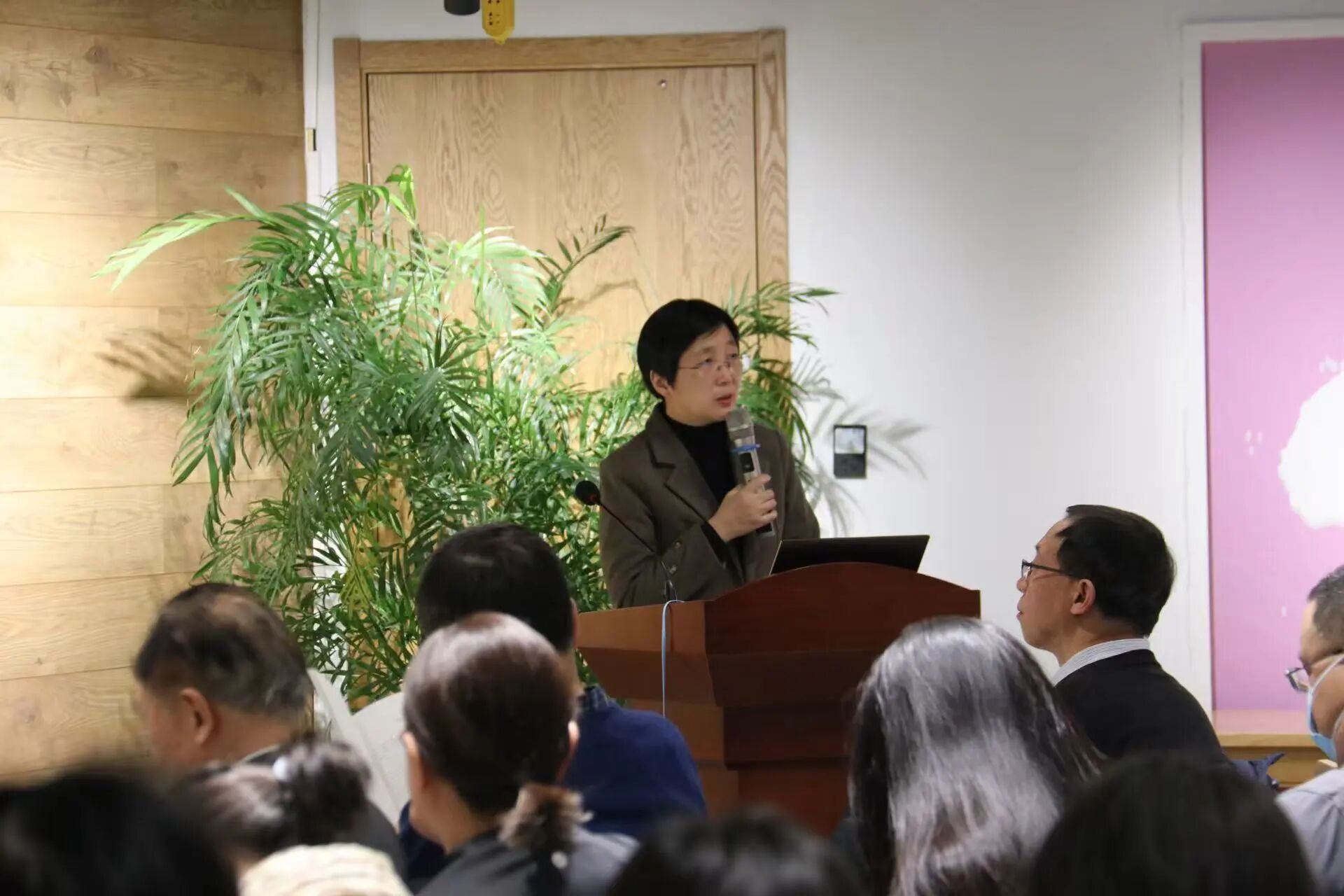
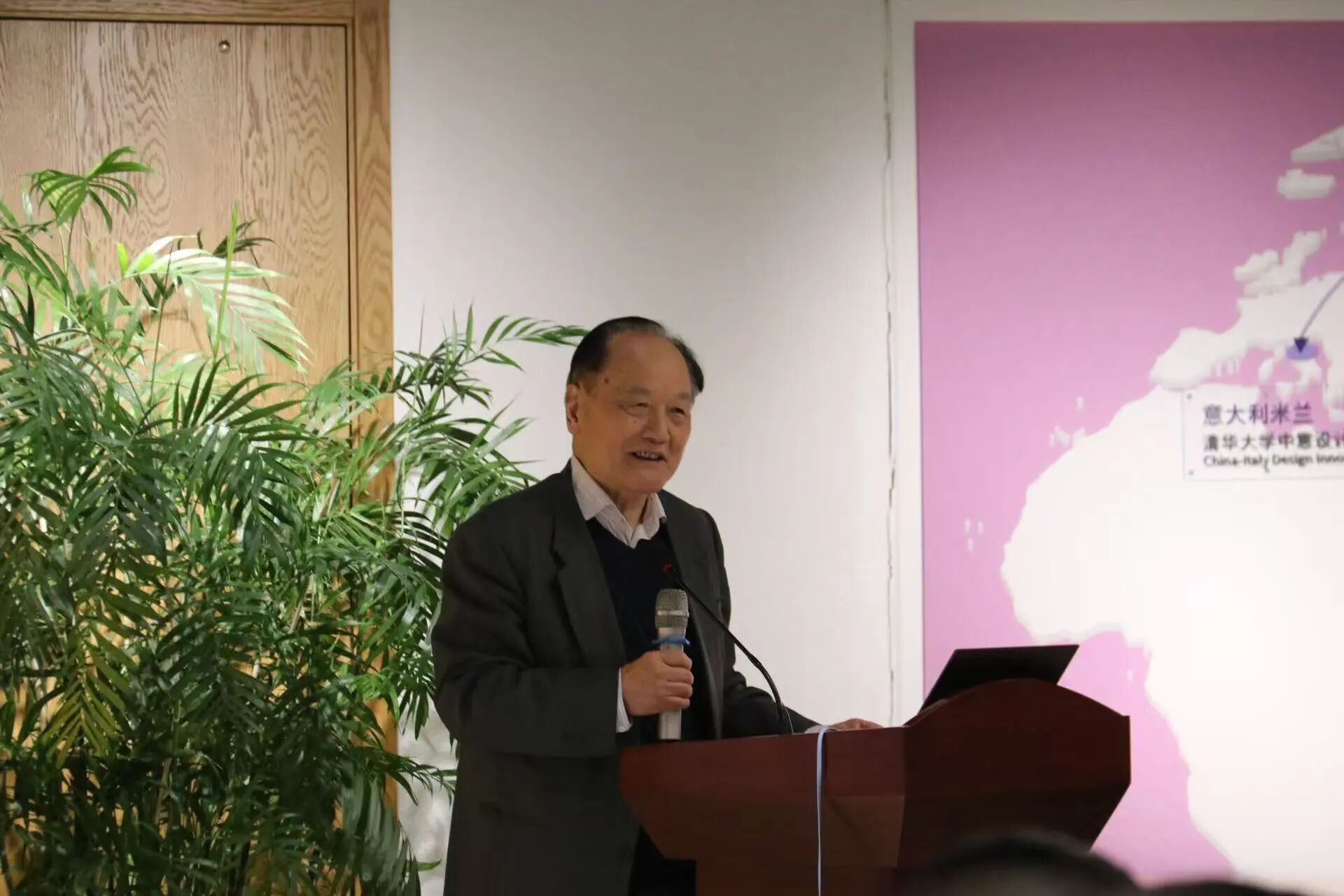
Subsequently, the author Wen Jing delivered a keynote presentation outlining the main arguments of the book. She reflected on her academic journey in Middle East studies, reviewed the historical evolution of U.S. strategy in the region, and examined the unique historical juncture and strategic recalibrations faced by the Obama administration. Using U.S.–Iran relations as a case study, she also shared her perspectives on the direction of Middle East policy under a second Trump administration. Wen concluded by expressing her sincere gratitude to mentors and editors who supported the writing and publication process.
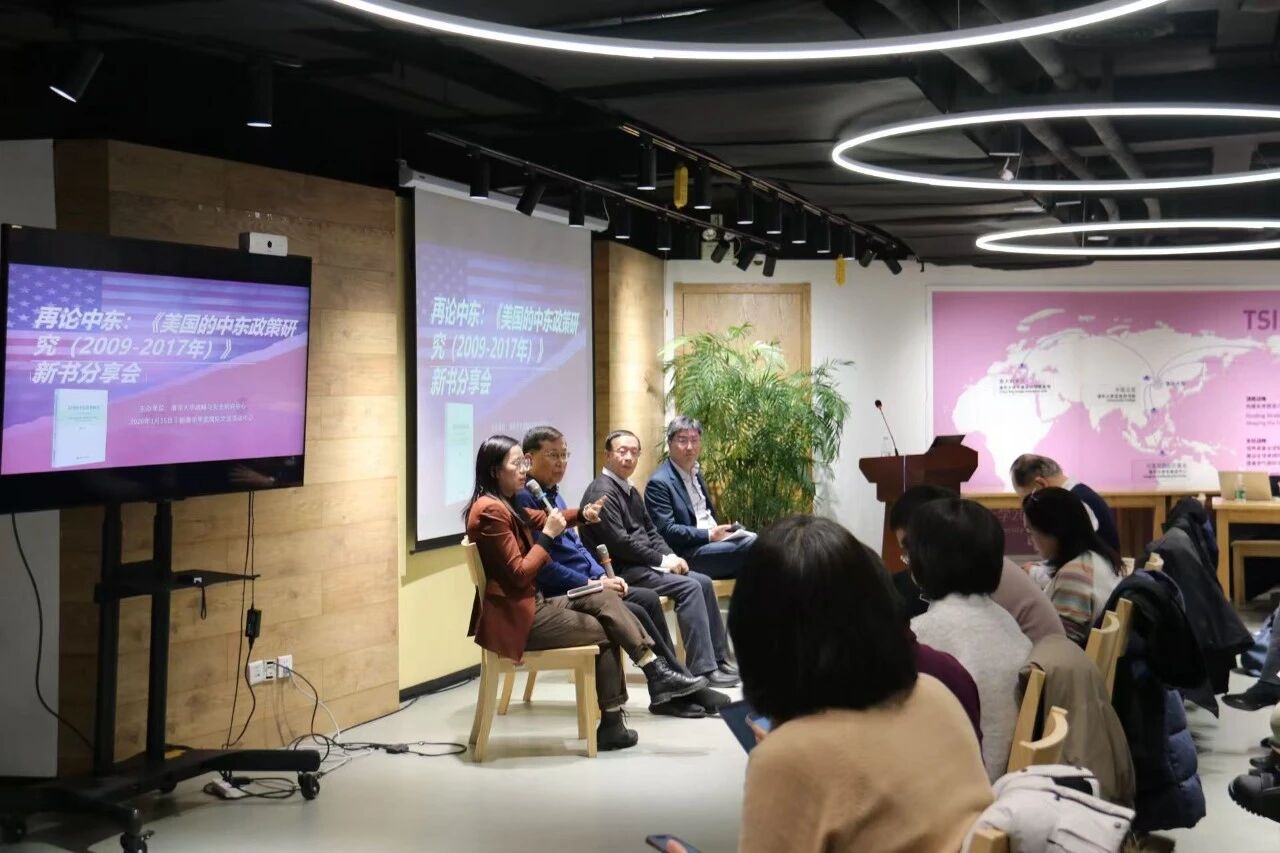
During the roundtable discussion, experts engaged in a lively exchange on the Obama administration’s Middle East policy. Liao Baizhi evaluated the eight years of Obama’s Middle East policy, noting that it was shaped by two major strategic dilemmas—democracy versus alliances, and the Asia-Pacific versus the Middle East—while also being profoundly affected by long-term changes in the international environment and sudden regional crises. Yu Guoqing shared his views on great power strategies in the Middle East and the Israeli–Palestinian issue, arguing that the Obama administration’s aspiration to promote democratic transformation in the region ultimately fell short, as Middle Eastern societies continue to face deep internal fractures and uncertainties. Scholars approached the topic from multiple perspectives and agreed on the importance of strengthening strategic analysis and academic research on the region.
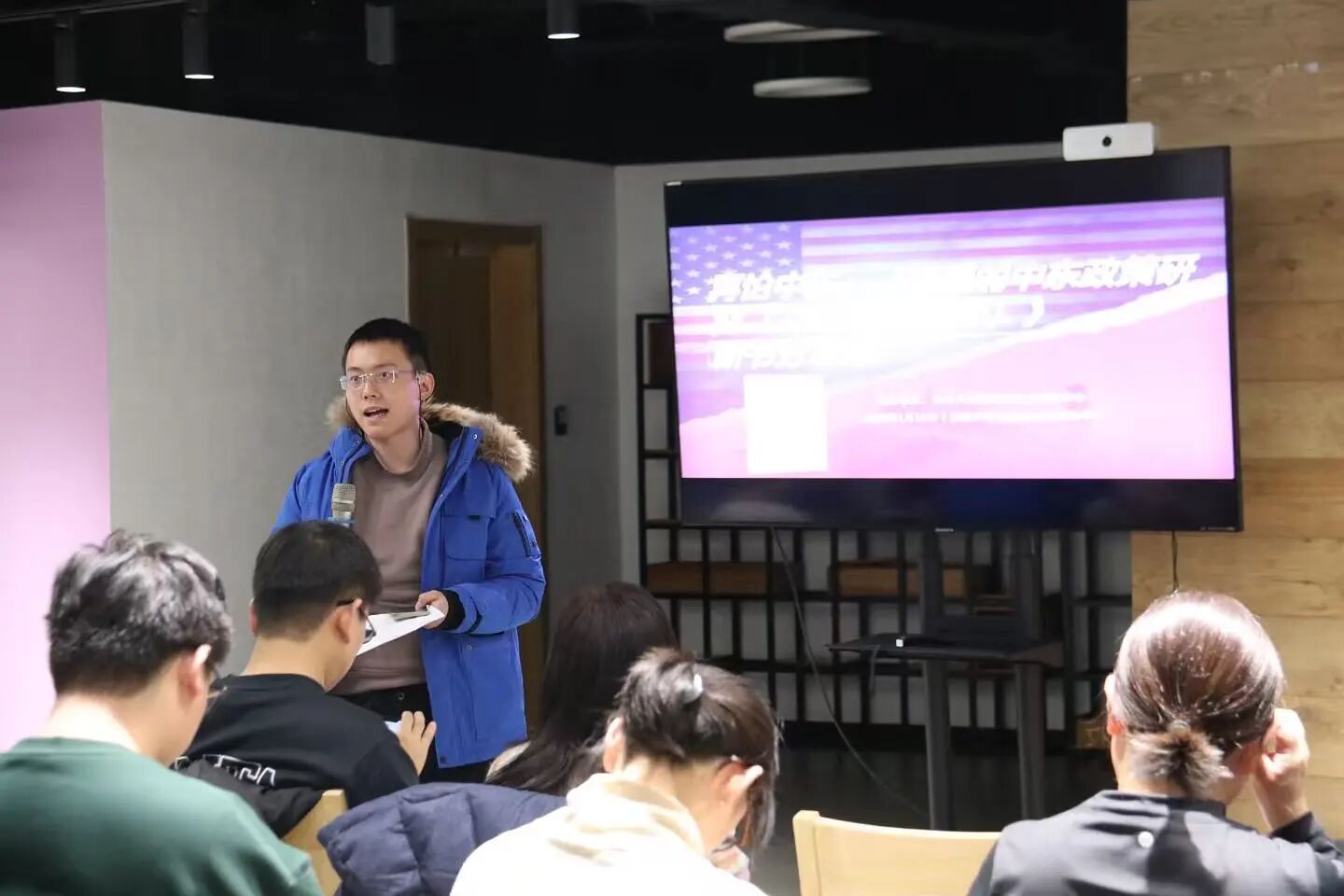
In the audience discussion session, Li Xin and Chen Baiyu, representatives of the Sixth Cohort of the CISS “Strategic Youth” program, shared their reflections on the book. Li Xin focused on the art of “telling a good story,” discussing the dynamic interplay among ideology, values, alliances, and military power in the strategic choices faced by the Obama administration during its eight years in office. He noted that the book offered valuable inspiration for his own academic writing in terms of narrative logic and structural coherence. Drawing on his background in computer science, Chen Baiyu spoke about his long-standing interest in Middle Eastern developments, praising the book for its rigorous structure, systematic analysis, and conclusions that combine foresight with practical guidance. He emphasized its significance for readers seeking to understand not only the Obama administration but also U.S. foreign policy more broadly. Panelists also responded to audience questions on topics such as Middle Eastern oil, counterterrorism governance, and the future of artificial intelligence.
Through in-depth, cross-disciplinary, and multi-perspective discussions, the book talk not only deepened understanding of U.S. Middle East policy during a specific period, but also fostered meaningful dialogue among academic research, policy practice, and public discourse.