The 105th Security and Strategy Seminar: CISS Hosts Seminar on “Artificial Intelligence and Biosecurity”
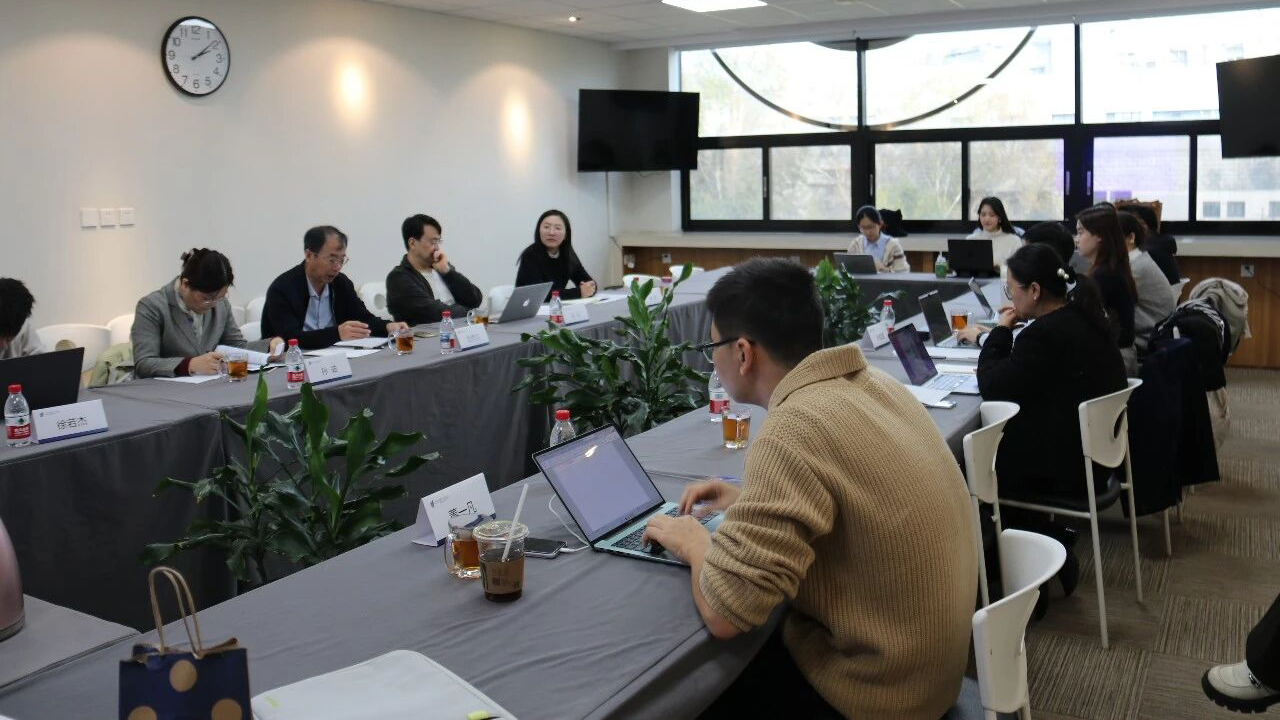
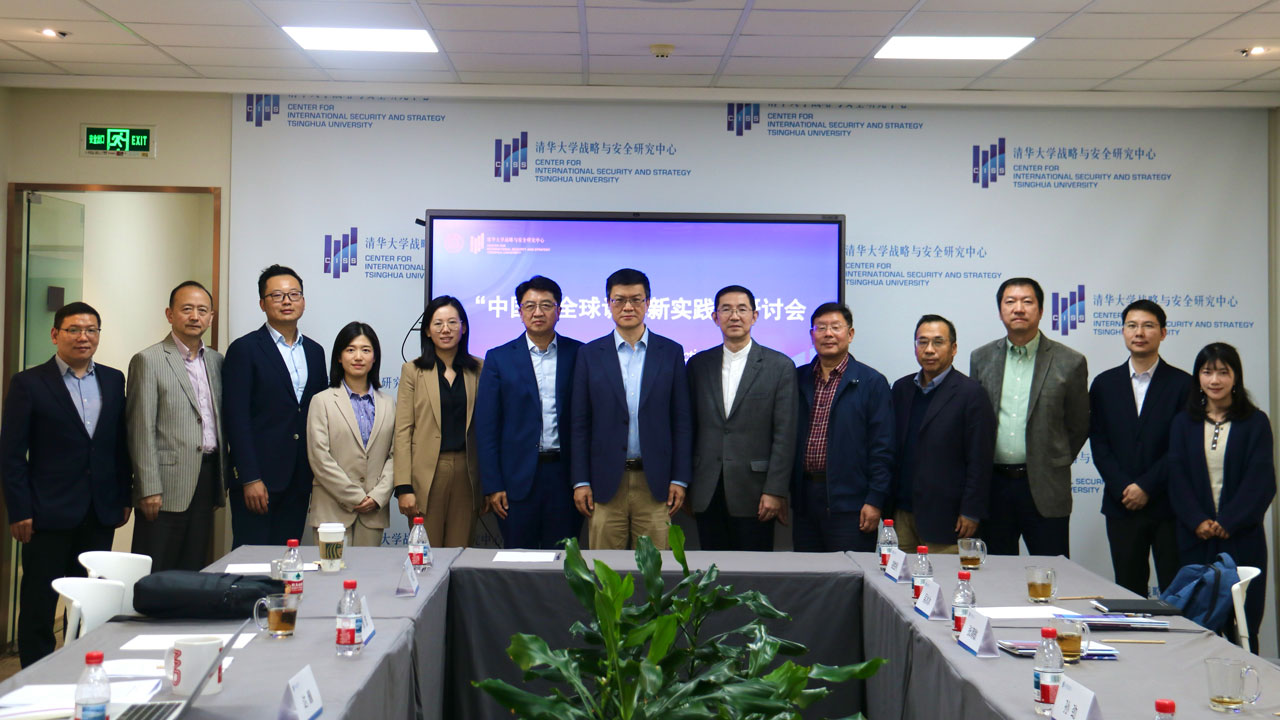
On October 30, 2026, the Center for International Security and Strategy (CISS) at Tsinghua University hosted the 105th session of its Strategic and Security Forum, titled “Artificial Intelligence and Biosecurity.” The seminar was moderated by XIAO Qian, Deputy Director of CISS, and brought together more than twenty experts and scholars from institutions including Tsinghua University, Peking University, Beijing Foreign Studies University, China Foreign Affairs University, Tianjin University, Fudan University, Tongji University, China Institutes of Contemporary International Relations, Beijing Academy of Artificial Intelligence, Shanghai Artificial Intelligence Laboratory, Guangzhou Laboratory, Shenzhen Institutes of Advanced Technology, Chinese Academy of Sciences, and Concordia AI. Several researchers from CISS’s AI and International Security Program took part in the event. Participants engaged in in-depth discussions around three major themes: AI applications and developments in the biological sector, risk assessment for AI and biosecurity, and governance and cooperation on AI and biosecurity.
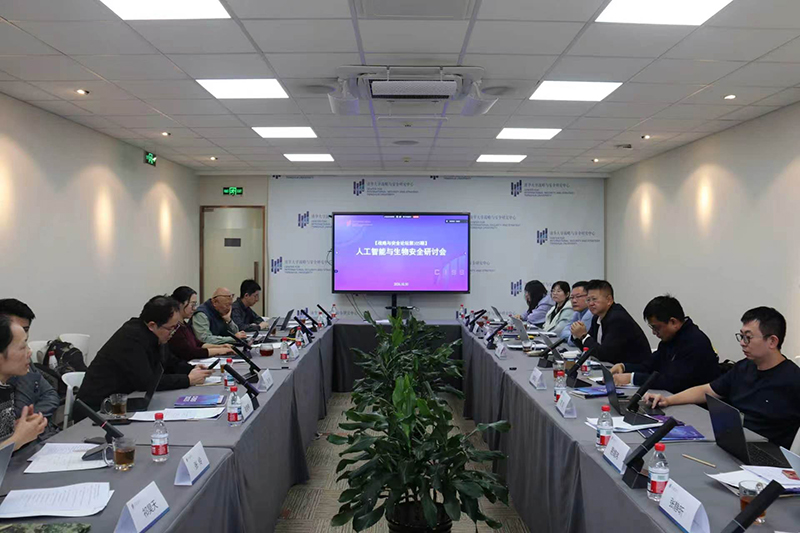
In the first session, “AI Applications and Developments in the Biological Sector,” YU Xuedong, Deputy Director of the Biosecurity Technology Center at Guangzhou Laboratory, delivered a presentation entitled “New Trends in Integrated Governance of Artificial Intelligence and Biosecurity.” He noted that integrated governance for AI and biosecurity is reshaping conventional list-based regulatory approaches, bringing new challenges such as a higher ceiling for malicious misuse, severe asymmetry between offensive and defensive capabilities, and difficulties in tracing risk origins. Drawing on the defense-in-depth framework from a RAND report, he stressed the need to establish a multi-layered defense system and a centralized information-sharing hub for AI and biosecurity, enabling aggregated risk identification that connects scattered ambiguous signals into coherent risk chains. He also argued that guardrails should be put in place at an early stage. Regular exchanges among stakeholders, cross-disciplinary talent training, benchmark evaluation of large model capabilities, international dialogues and wargaming exercises can raise the cost of malicious attacks and reduce the likelihood of catastrophic incidents. Attending experts also reviewed the global landscape of AI applications in biology, progress in key model development and real-world deployment scenarios.
In the second session, “Risk Assessment for AI and Biosecurity,” experts analyzed biosecurity risks stemming from the convergence of AI and biotechnology, research progress and practical experience in risk identification and safety testing, and pathways to develop a rigorous risk assessment framework.
In the third session, “Governance and Cooperation on AI and Biosecurity,” participants reviewed ongoing global efforts on AI and biosecurity governance. They discussed how to build an international governance framework for AI and biosecurity, guard against the malicious use of AI technologies in biosecurity, and carry out international cooperation on AI and biosecurity governance.


 2026-11-02