
On July 1, 2026, the Seminar on Artificial Intelligence and International Security: Risk Management and Governance of Military Artificial Intelligence was held at Mingli Building, Tsinghua University. Experts and scholars from Tsinghua University, the China Institutes of Contemporary International Relations (CICIR), Tongji University, the Academy of Military Sciences, China University of Political Science and Law, the United Nations Institute for Disarmament Research (UNIDIR), and other universities and research institutions attended the seminar.
Participants engaged in discussions on four major themes: military artificial intelligence and the evolving security landscape, risk understanding and management, international legal norms, and international governance frameworks.
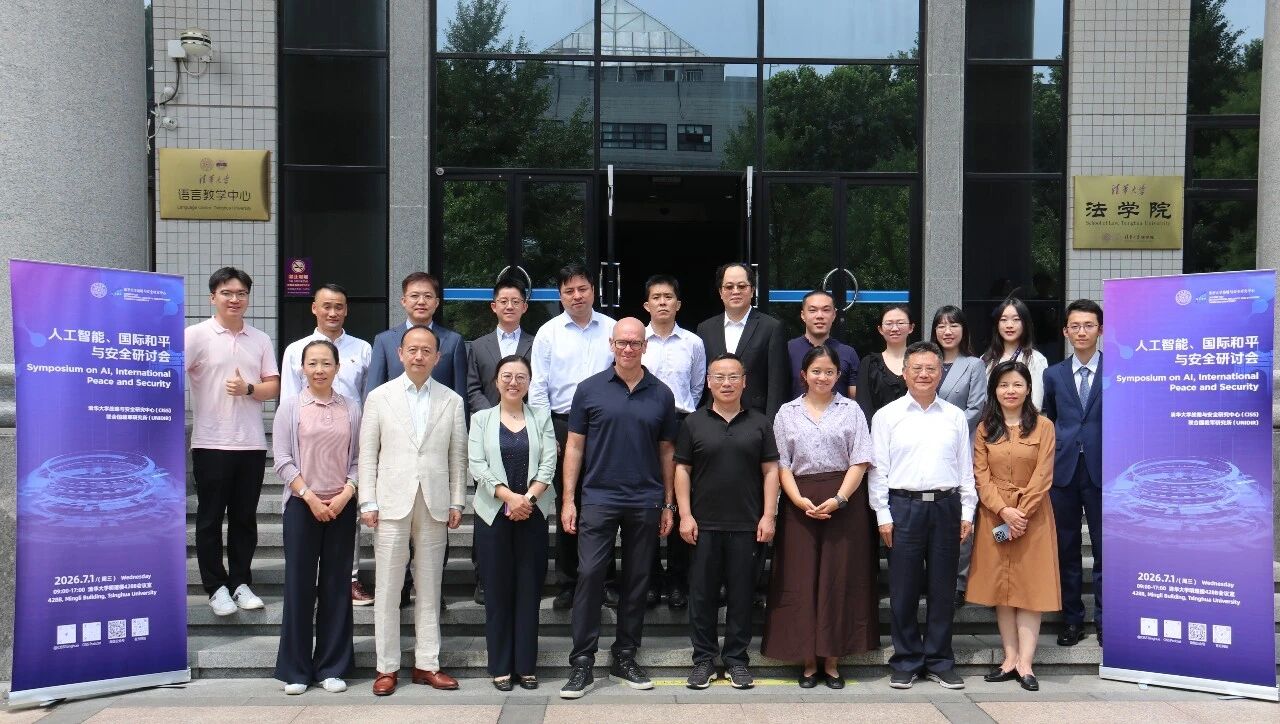
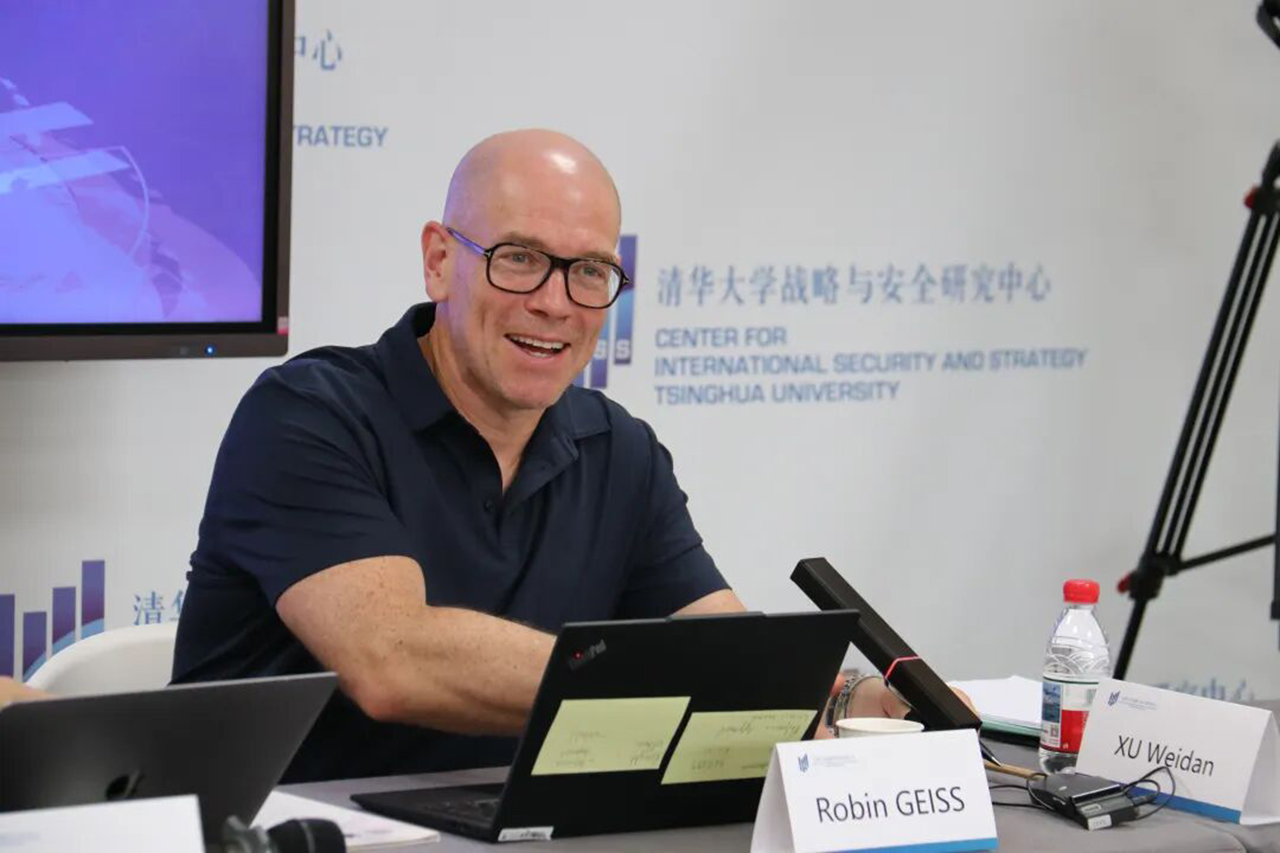
The opening session was moderated by Xiao Qian, Deputy Director of CISS. She invited Robin Geiss, Director of UNIDIR, to brief Chinese participants on the outcomes of the United Nations Office for Disarmament Affairs (UNODA) informal consultations held in mid-June, the progress of UNIDIR’s Global Conference on AI, Security and Ethics, and the establishment of UNIDIR’s Centre of Excellence on AI, Peace and Security. Geiss provided an analysis of the political and technological challenges currently facing military AI governance and offered recommendations on priorities for future international dialogue.
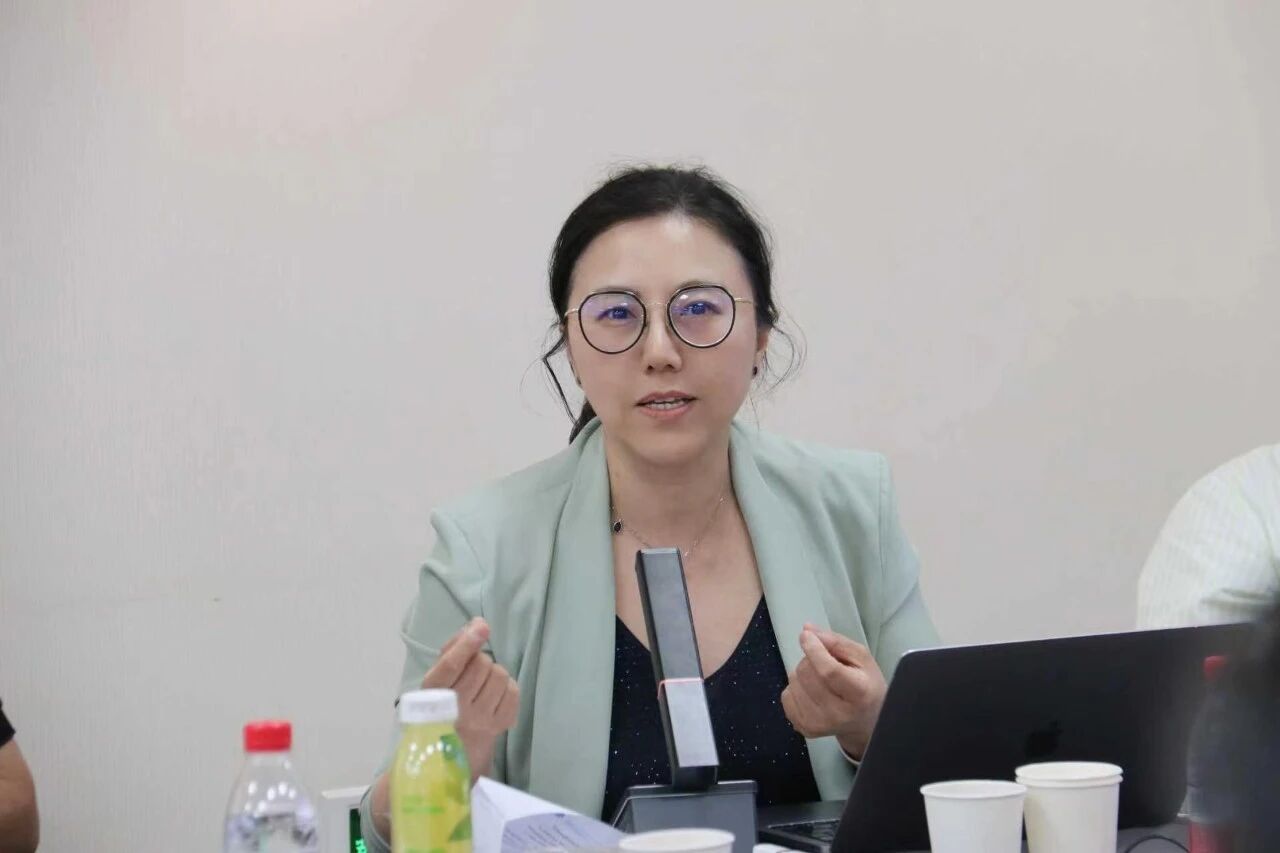
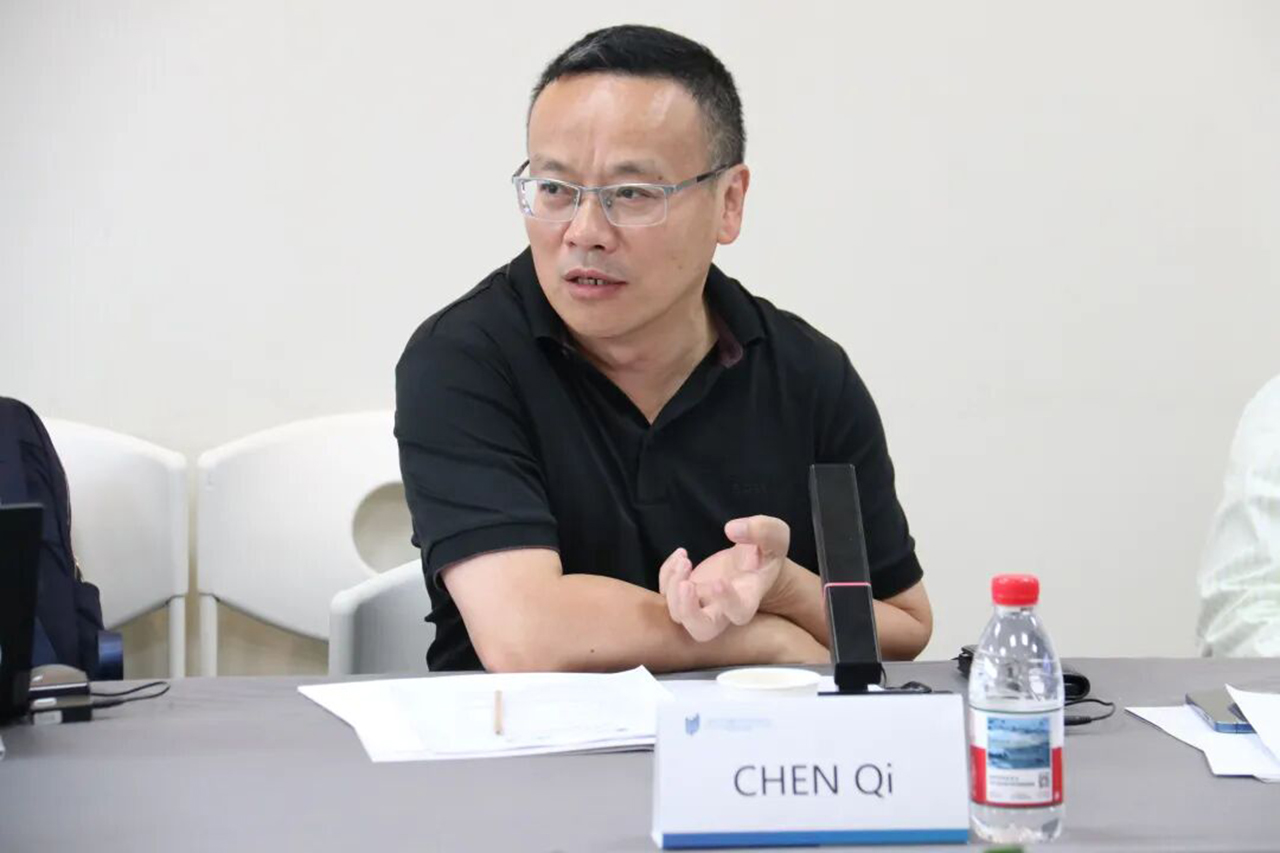
The first session, titled “Military Artificial Intelligence and the Changing Security Landscape,” was moderated by Chen Qi, Deputy Director of CISS. Lu Chuanying, Li Yan, and Tang Xinhua delivered introductory remarks. Participants discussed how artificial intelligence is transforming warfare, deterrence, and strategic stability.
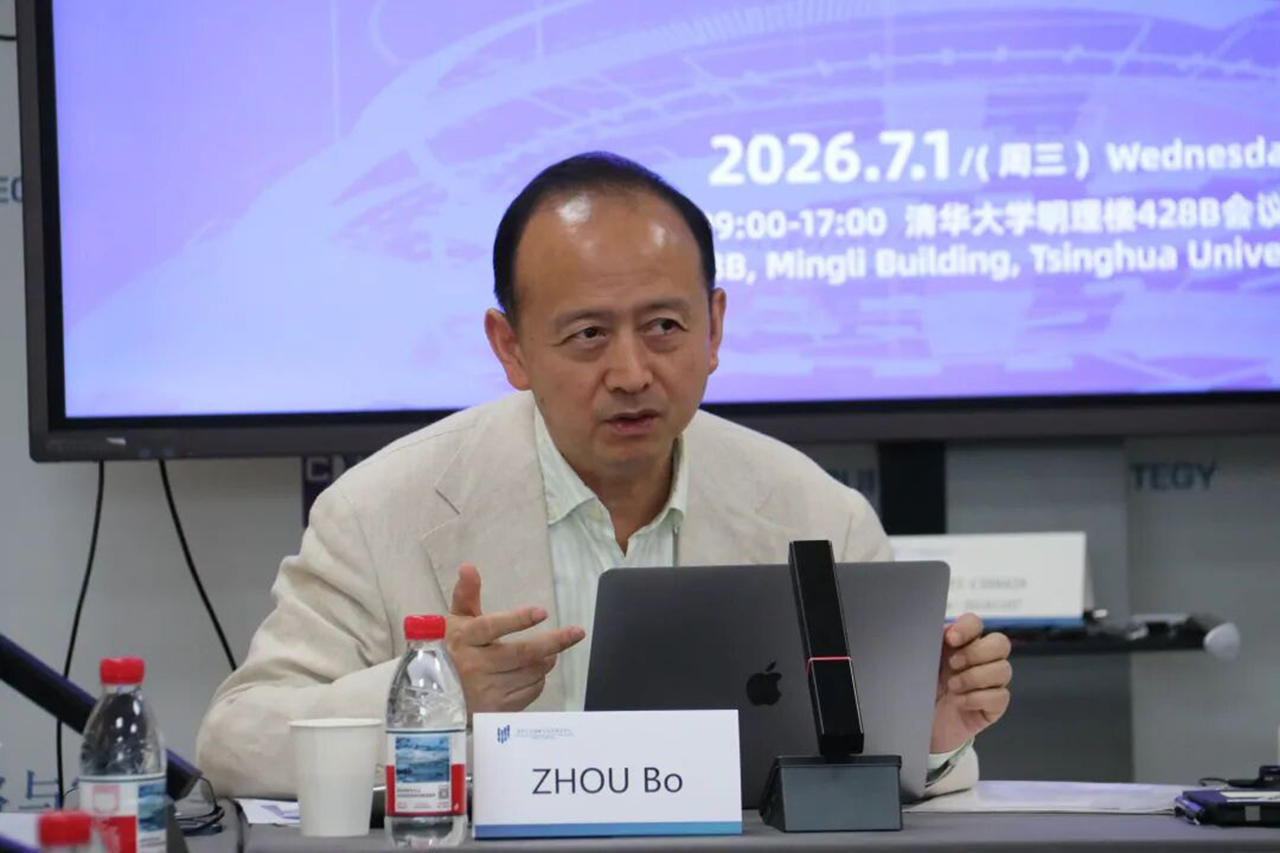
The second session, titled “Understanding and Managing Risks of Military Artificial Intelligence,” was moderated by Zhou Bo,Senior Fellow at CISS. Wu Mingxi, Shang Shimin, and Zhang Ling delivered introductory remarks. The session focused on major risks associated with military AI, approaches to risk management and mitigation, and the feasibility of establishing confidence-building measures.
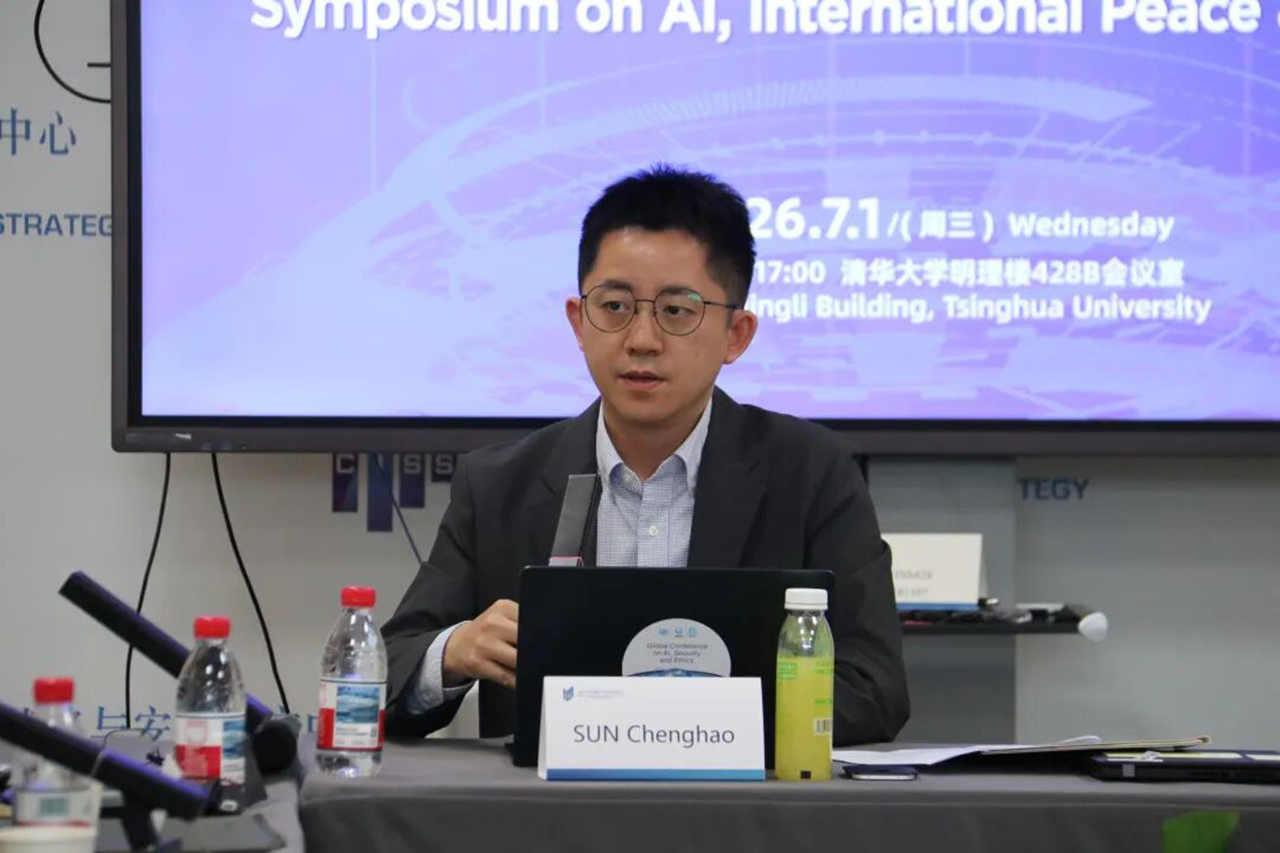
The third session, titled “International Law and Responsible Military Artificial Intelligence,” was moderated by Sun Chenghao, Associate Fellow at CISS. Li Qiang and Liu Chong delivered introductory remarks. Participants exchanged views on whether existing international law can effectively regulate military AI, whether international humanitarian law provides sufficient guidance, whether Article 36 reviews apply to autonomous weapons systems, and how meaningful human control should be understood in AI-enabled operations.
The fourth session, titled “Building an International Governance Framework,” was moderated by Chen Qi, Deputy Director of CISS, with Wu Riqiang and others delivering introductory remarks. Participants discussed how governments and international organizations can cooperate to reduce AI-related security risks, as well as how Track II dialogues can support intergovernmental dialogue processes.
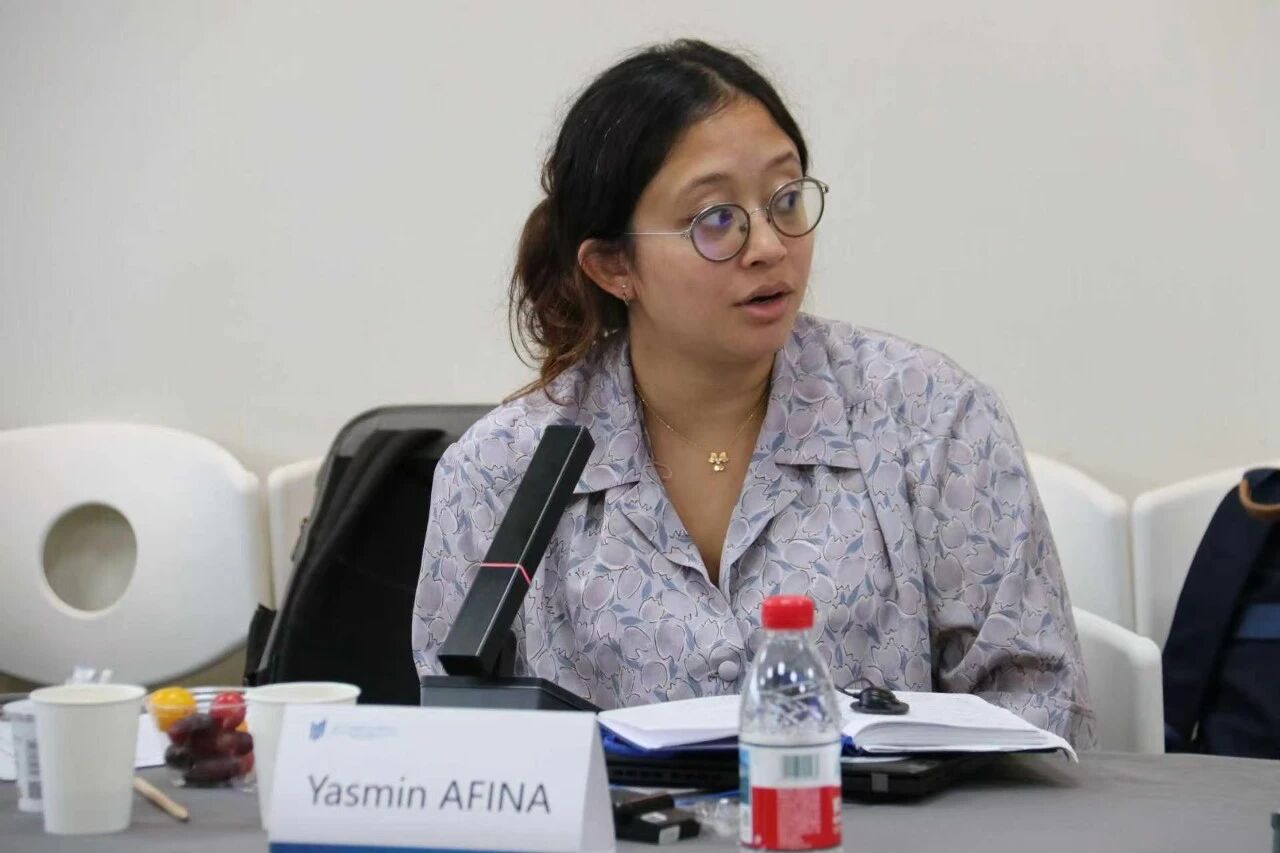
The concluding roundtable discussion, titled “Towards Responsible International Security Governance of Artificial Intelligence,” was moderated by Yasmin Afina, Researcher at the Security and Technology Programme of UNIDIR. Experts discussed three key questions: the most significant security challenges posed by military AI over the next decade, feasible governance measures that could be implemented within the next three years, and how multi-stakeholders—including international organizations, universities, and enterprises—can contribute to international cooperation.
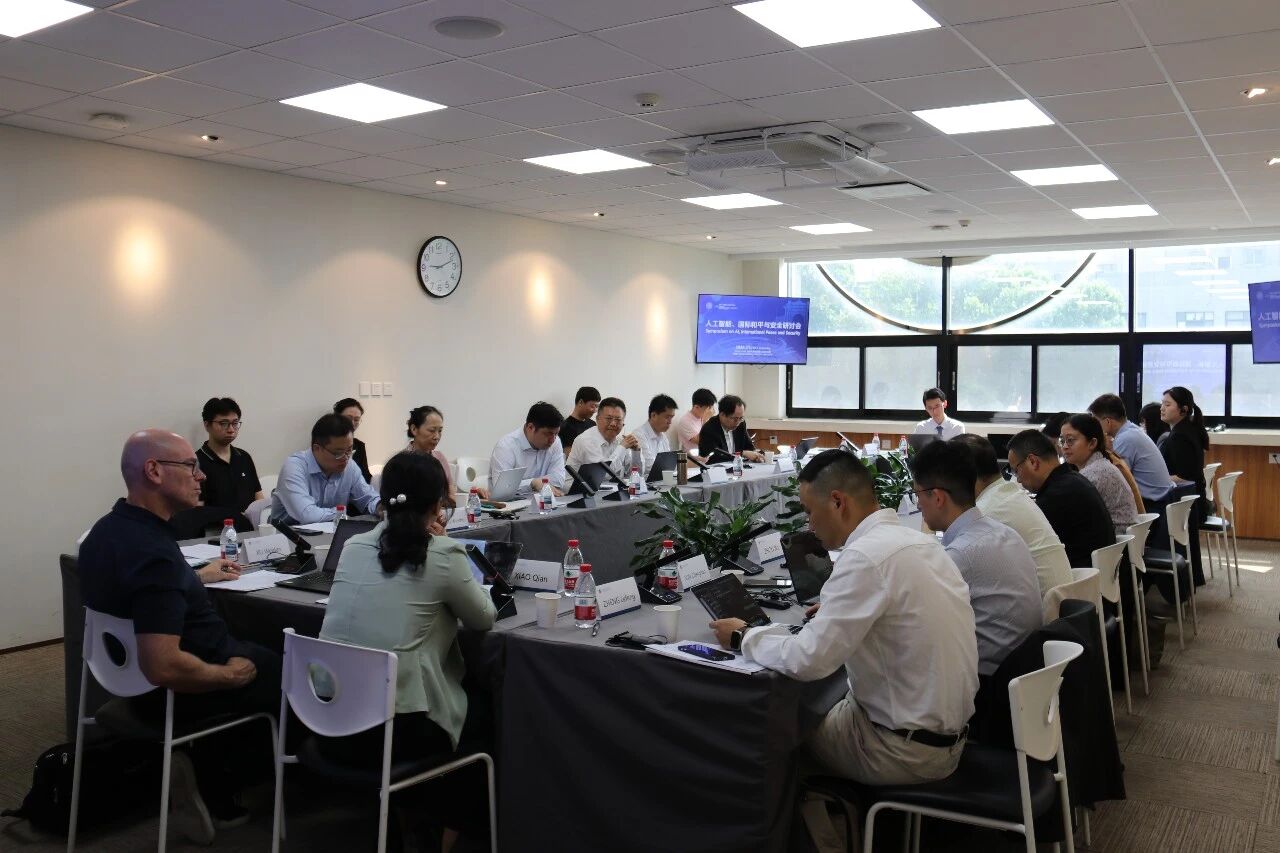
During the seminar, participating experts conducted in-depth discussions on risk management and global governance of military artificial intelligence, offering constructive recommendations for advancing international security governance of artificial intelligence.