From May 18 to 22, 2026, the Arms Control Negotiation Academy (ACONA) convened its annual program in Reykjavík, Iceland. Sixteen early-career scholars and policy researchers from multiple countries gathered for a series of negotiation exercises, policy discussions, and exchanges on topics including arms control, strategic stability, and artificial intelligence governance. Sun Chenghao, Fellow at the Center for International Security and Strategy (CISS), Tsinghua University, participated in the program as an ACONA Fellow.
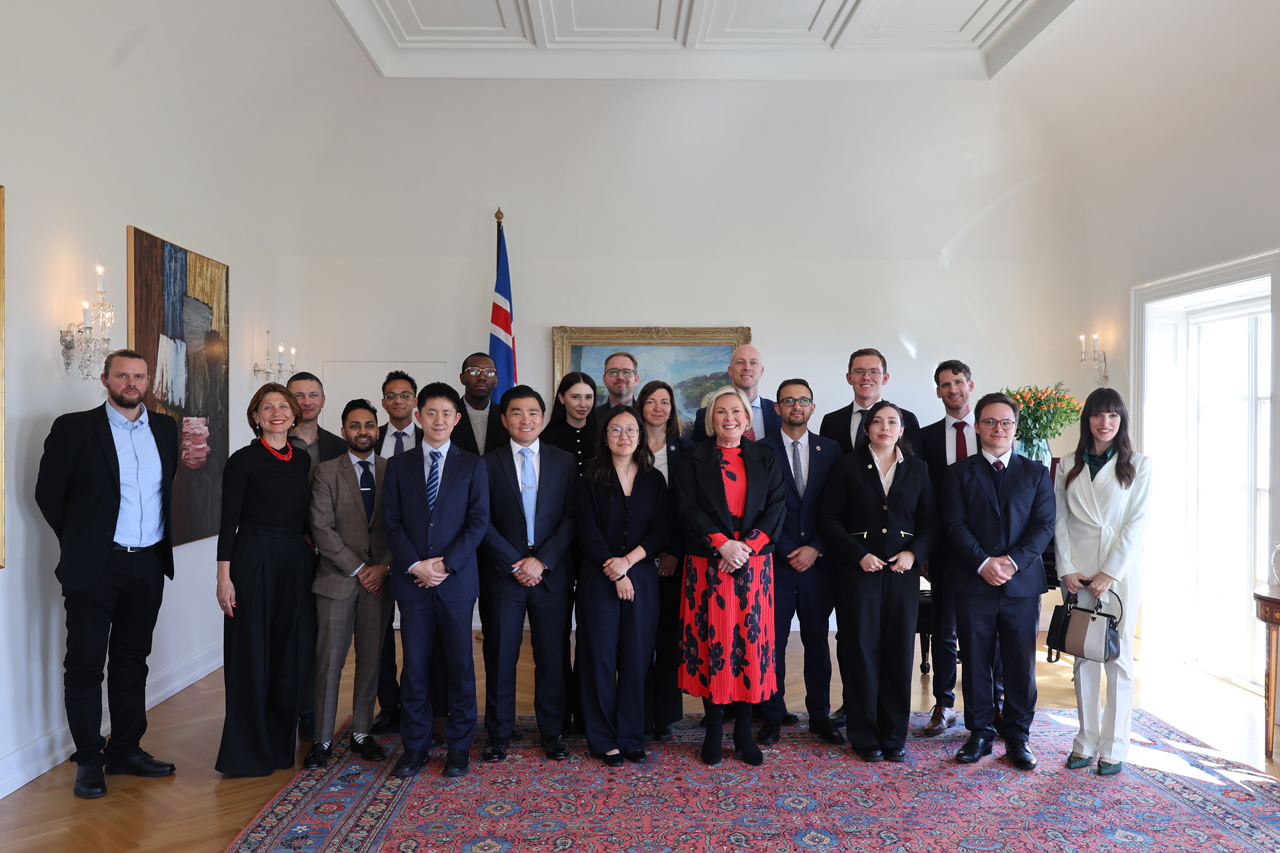
During the program, participants met with Halla Tómasdóttir, President of Iceland, for a discussion on leadership, international cooperation, and global challenges. Drawing on Iceland's experience in international affairs, President Tómasdóttir shared her perspectives on these issues and engaged in an interactive exchange with participants.
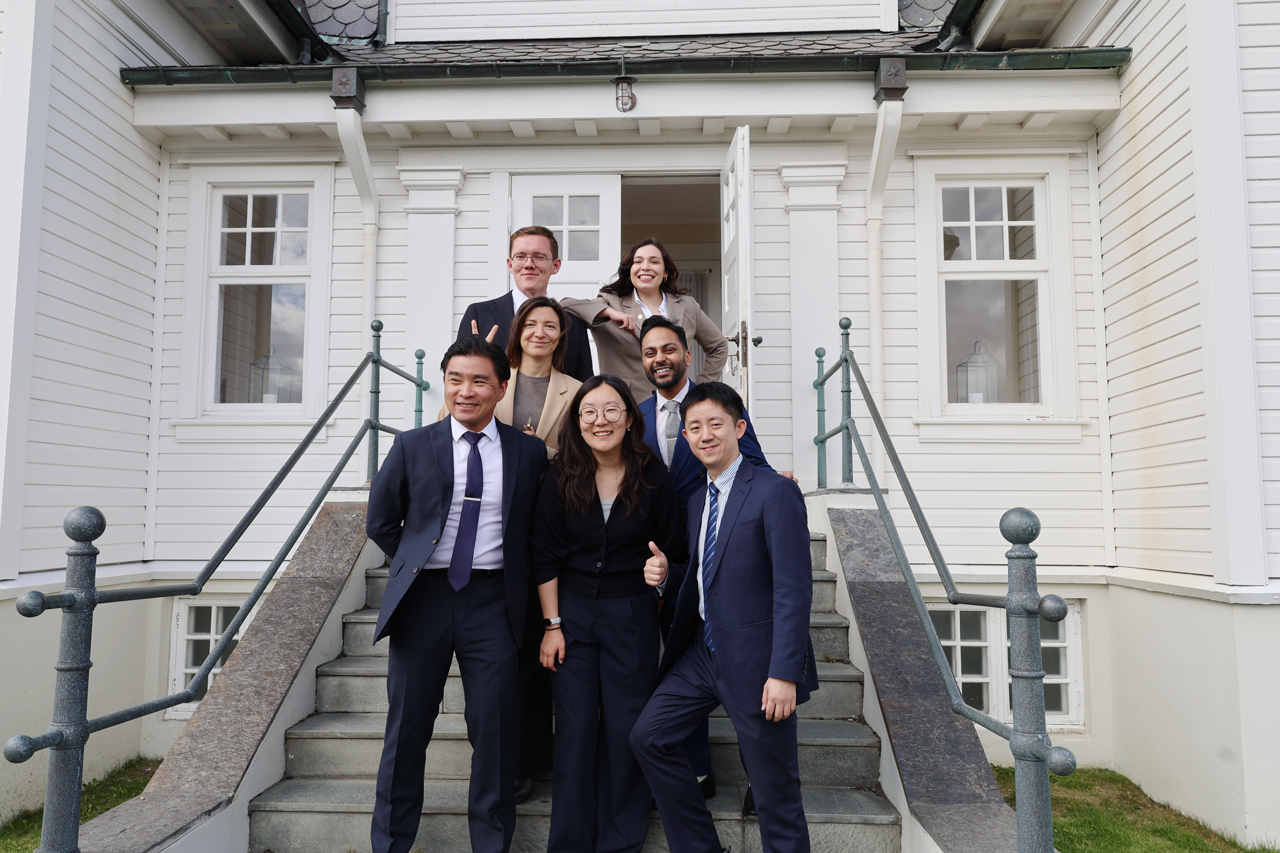
Participants also held in-depth discussions on the history of arms control, international security risk governance, and the implications of emerging technologies for strategic stability. Through simulation exercises and negotiation training, they further strengthened their policy analysis and international negotiation skills. During the program, participants visited Höfði House, the historic venue of the 1986 Reykjavík Summit between U.S. President Ronald Reagan and Soviet leader Mikhail Gorbachev. The summit is widely regarded as a pivotal moment in late Cold War arms control diplomacy and laid important groundwork for subsequent U.S.-Soviet nuclear arms reduction negotiations.
On May 22, the Fifth ACONA International Conference was held under the theme "Negotiating Security Risks and Opportunities in the Era of AI." Diplomats, scholars, and ACONA Fellows from around the world discussed a range of topics, including artificial intelligence and arms control, strategic risk reduction, the role of middle powers in international security governance, and the legacy of the Reykjavík Summit.
As the rapid development of artificial intelligence continues to reshape the international security landscape, it is also presenting new challenges for arms control and strategic stability. During the program, Sun Chenghao exchanged views with experts and scholars from different countries on AI risk governance, crisis management mechanisms, and future pathways for international cooperation.