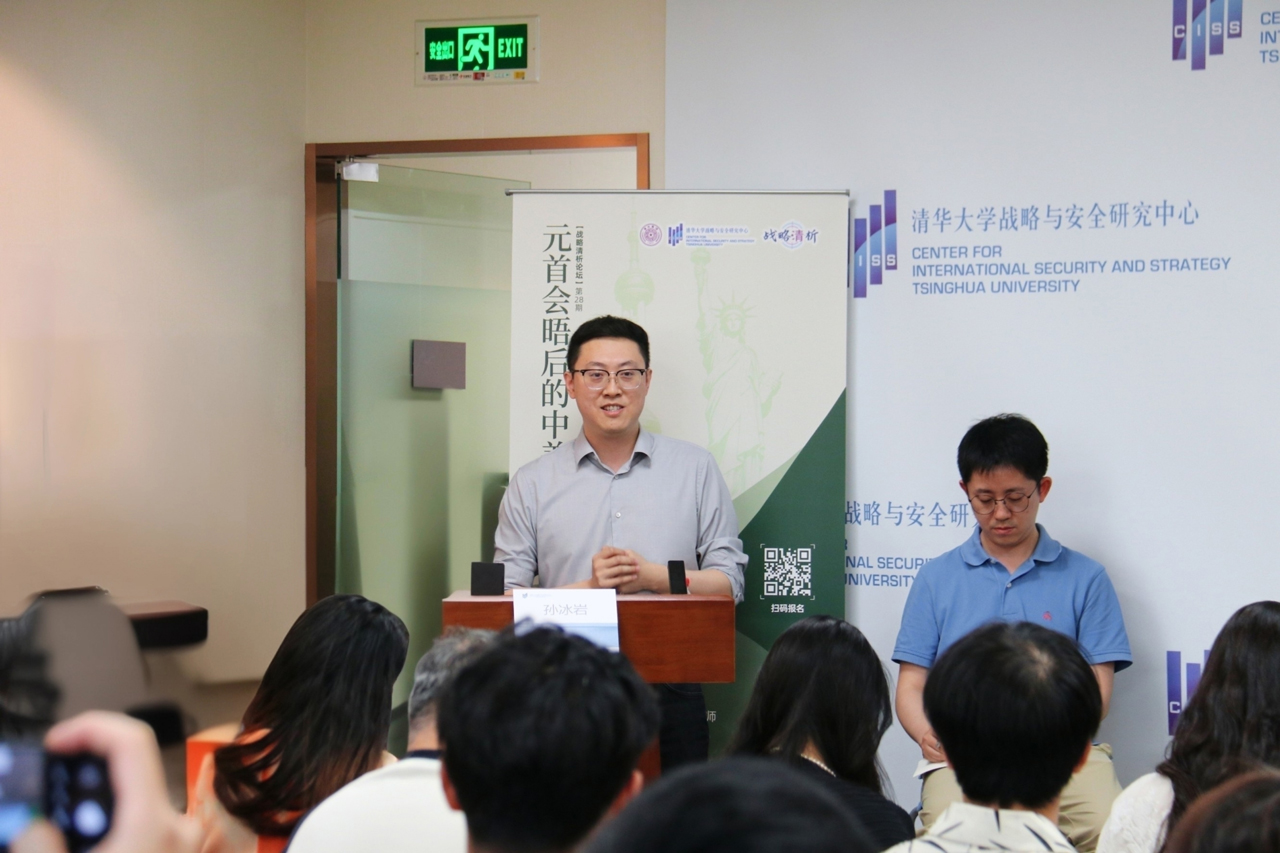
On May 29, 2026, the Center for International Security and Strategy (CISS), Tsinghua University, hosted the 28th CISS StratFocus, titled "China-U.S. Relations After the Leaders' Summit." The forum was moderated by Sun Chenghao, Fellow at CISS. Sun Bingyan, Assistant Professor in the Department of International Politics at the School of International Studies, Renmin University of China, delivered the keynote presentation. Li Meiying, Associate Professor at the National Defense University, and Zhang Tengjun, Fellow at the Institute of American Studies, Chinese Academy of Social Sciences (CASS), joined the discussion as panelists.
The forum focused on the outcomes of the recent China-U.S. leaders' summit, the evolving positioning of bilateral relations, strategic stability, economic and trade cooperation, and cross-Strait developments. Participants agreed that the summit had introduced new stabilizing factors into a relationship that has faced sustained pressure in recent years, while emphasizing that the structural challenges underlying China-U.S. relations remain. Looking ahead, they suggested that bilateral ties are likely to be characterized by "limited stabilization amid long-term strategic competition," and that the key challenge will be translating political consensus into institutionalized mechanisms.
Sun Bingyan opened the discussion by examining the outcomes of the summit. He noted that recent China-U.S. summit diplomacy has increasingly taken the form of separate official readouts, with each side issuing its own account of the meeting rather than a joint statement. According to Sun, this reflects the increasingly complex political environment surrounding bilateral relations, particularly the domestic political constraints facing the United States. Even so, he argued that understandings reached between the two leaders can still facilitate practical cooperation, and that arrangements not reflected in public documents may sometimes contribute more effectively to maintaining stability.
Regarding public assessments of the summit, Sun argued that it should not be viewed through a simplistic "winner versus loser" lens. China-U.S. relations have entered a new phase of strategic stalemate, in which neither side can compel the other to accept its preferences, nor can either ignore the other's interests. Against this backdrop, the ability to reach consensus in selected areas is itself a constructive outcome.
A major focus of the forum was the newly proposed concept of a "constructive strategic stability relationship." Sun suggested that the formulation reflects adjustments in the strategic perceptions of both countries. While China recognizes that competition is an enduring feature of the bilateral relationship, it emphasizes that such competition should remain bounded and manageable. At the same time, the United States has become increasingly aware of the risks posed by unmanaged competition. As a result, bilateral interactions are gradually evolving from risk management toward competition management. In his view, the concept reflects both Washington's reassessment of China's resilience and Beijing's recognition of the long-term nature of strategic competition.
Zhang Tengjun added that the notion of constructive strategic stability extends beyond the traditional military-security domain to encompass economic, technological, and geopolitical dimensions. In his view, the U.S. acceptance of the concept indicates a reassessment of the evolving balance of power between the two countries. Achieving strategic stability, he argued, will require not only more objective and rational strategic perceptions, but also institutional mechanisms capable of translating consensus into sustained policy implementation.
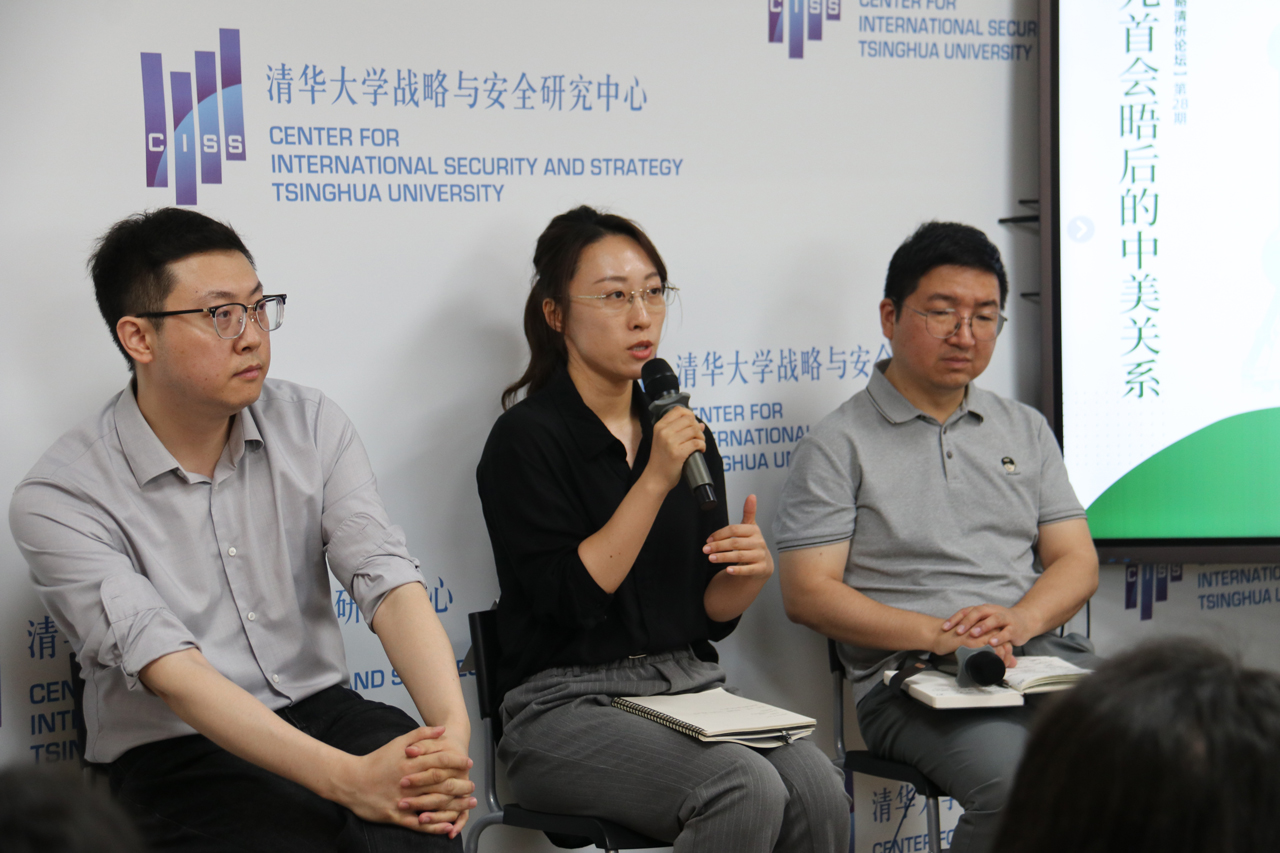
Participants generally agreed that institution-building will be essential to the next stage of China-U.S. relations. Artificial intelligence governance, trade and investment, crisis management, and maritime and air security were identified as promising areas for expanded dialogue. They noted that institutionalized and regularized cooperation could create greater policy continuity and help reduce the disruptive effects of domestic political cycles in the United States.
On economic and trade issues, speakers observed that commercial cooperation remains one of the strongest foundations of the bilateral relationship. The Trump administration's emphasis on economic performance and domestic political gains has created opportunities for pragmatic engagement. At the same time, debates within the United States over supply chain security, industrial competition, and investment restrictions on China continue to generate significant uncertainty for future economic ties.
From the perspective of security and strategic competition, Li Meiying argued that although China-U.S. relations have shown signs of stabilization, this should be understood primarily as improved risk management within an enduring competitive framework, rather than the disappearance of strategic competition itself. She suggested that both sides may resume more extensive communication on crisis management and security issues, while emphasizing that the United States will continue to pursue its strategic advantages and China will continue to safeguard its development interests and core concerns.
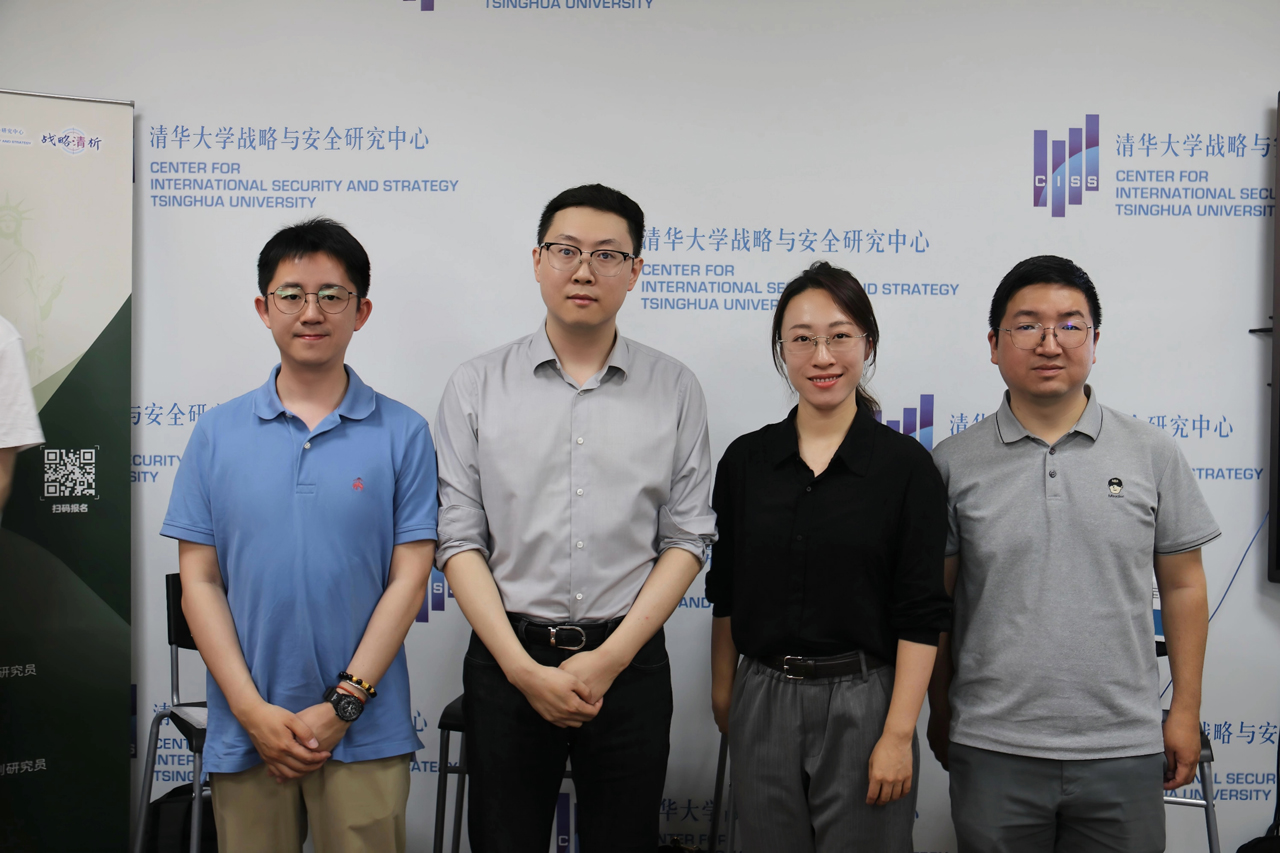
In his concluding remarks, Sun Chenghao noted that the significance of the leaders' summit lies not only in the specific agreements reached, but also in the opportunity it provides to reshape the trajectory of China-U.S. relations. Whether the concept of a constructive strategic stability relationship can evolve from a diplomatic formulation into tangible outcomes, he argued, will depend on sustained efforts to build mutual trust, improve communication mechanisms, and expand areas of practical cooperation.
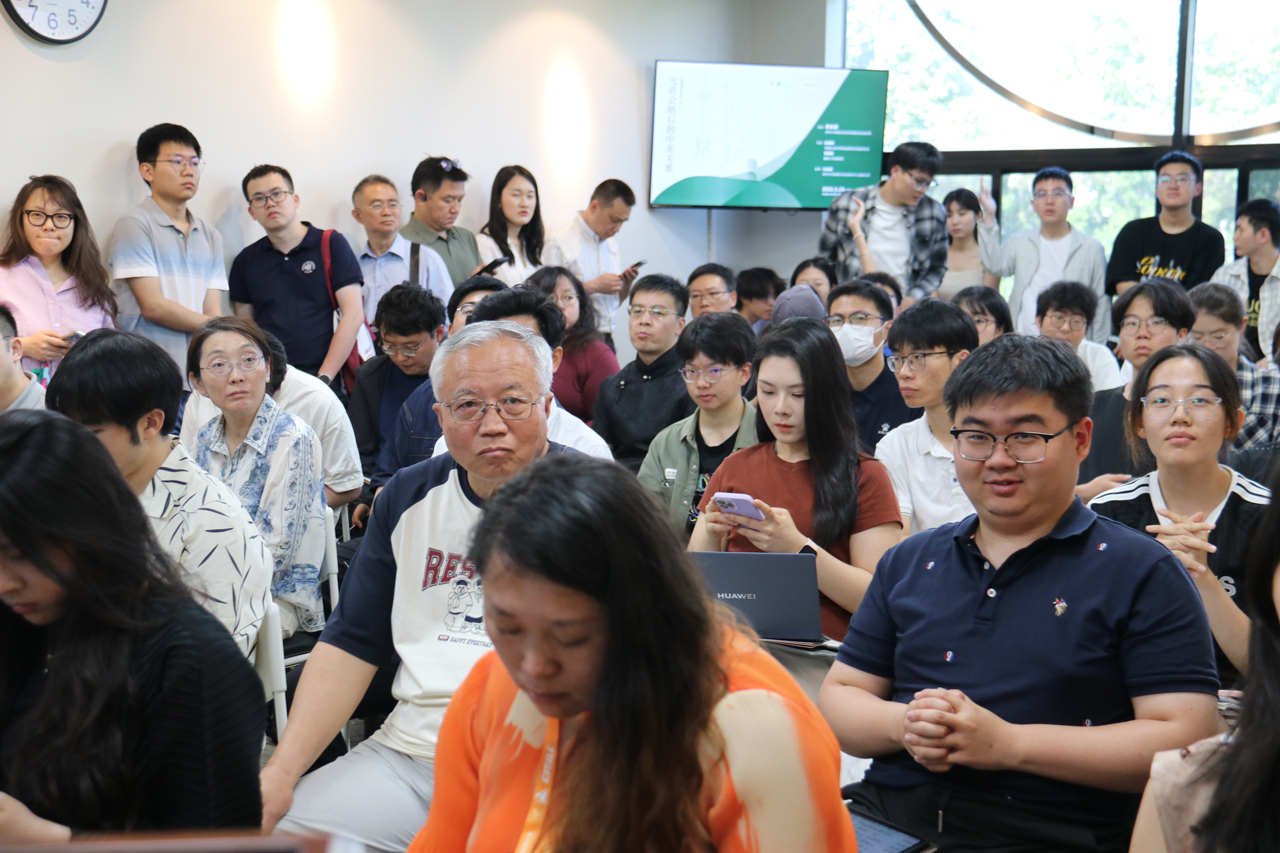
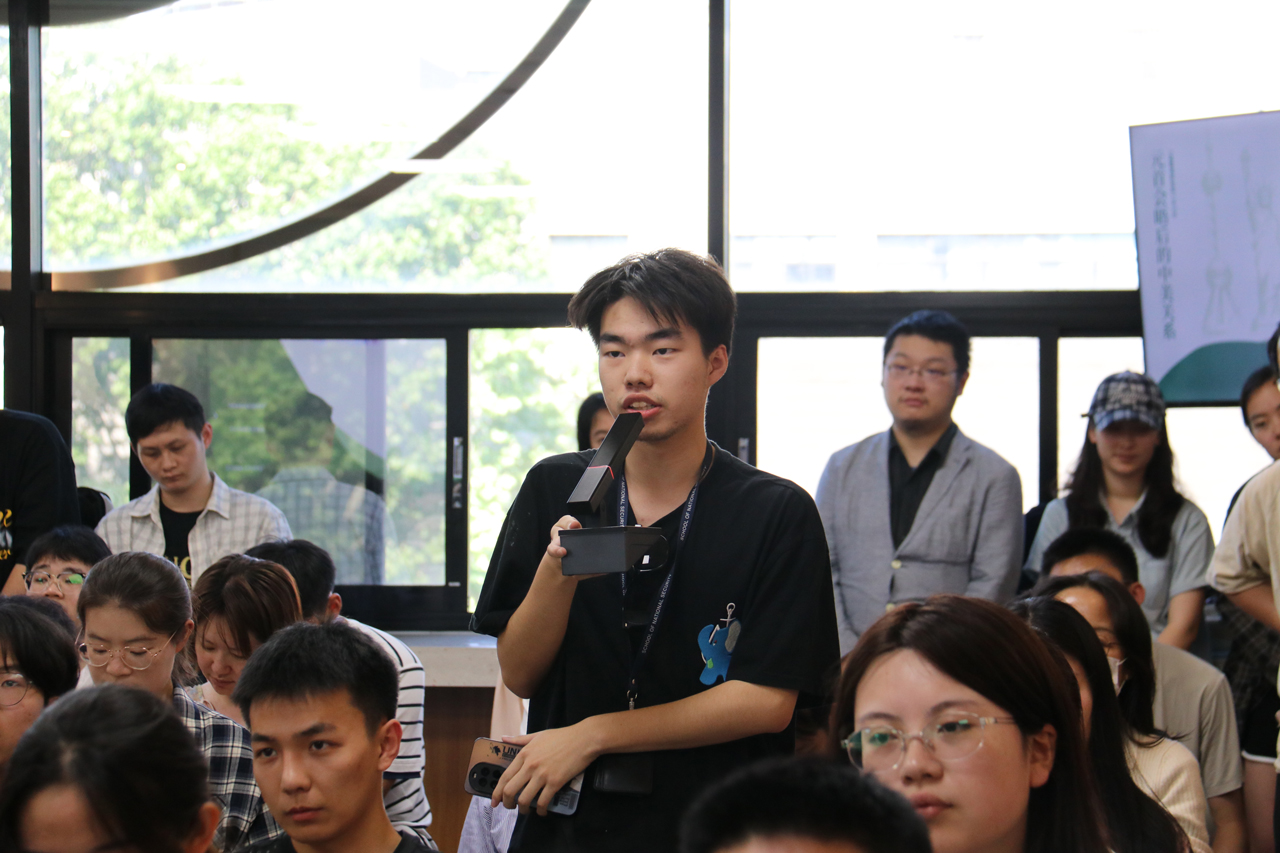
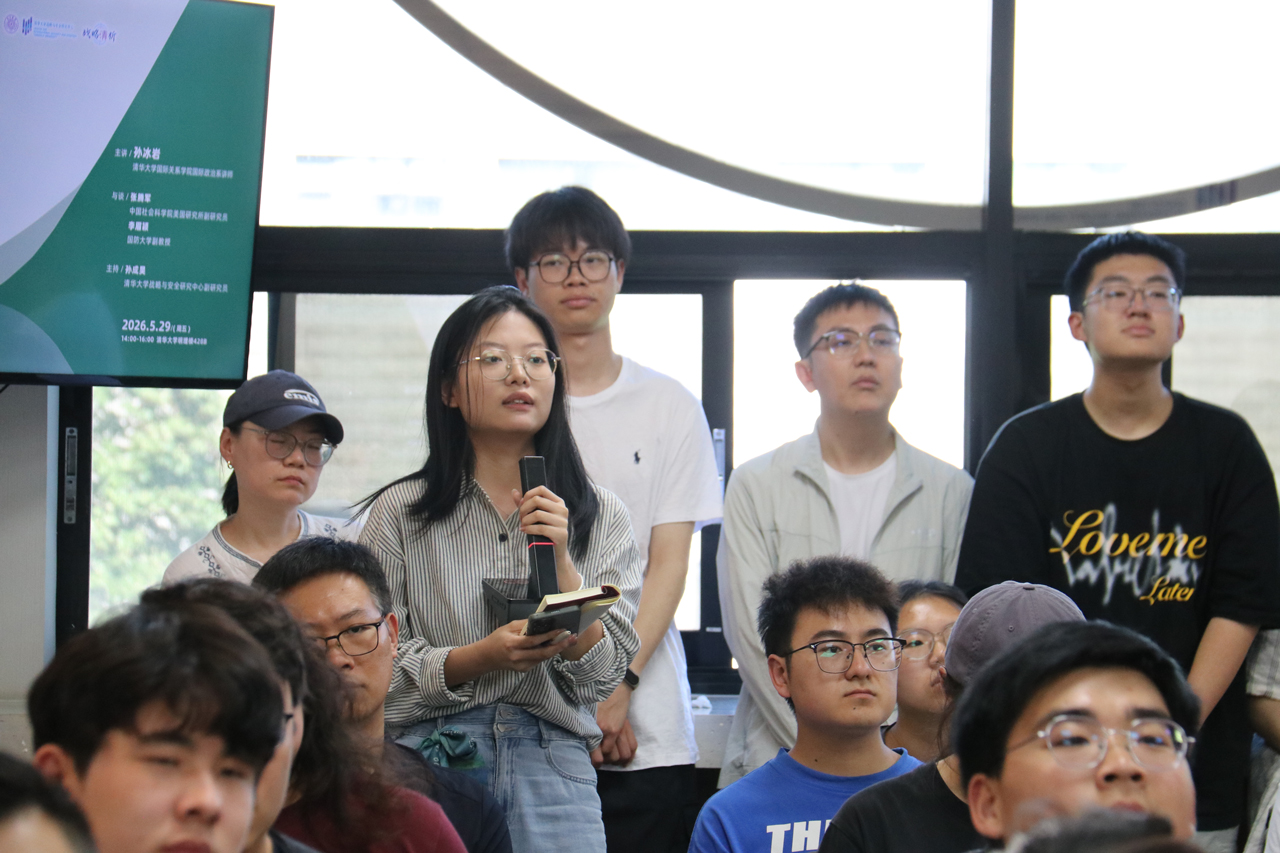
During the Q&A session, participants exchanged views with faculty members and students on topics including China-U.S.-Russia relations, developments in U.S. domestic politics, AI governance, and the future trajectory of strategic competition. The forum provided valuable perspectives for understanding the evolving dynamics of China-U.S. relations in the aftermath of the leaders' summit.