From February to June 2026, the Center for International Security and Strategy (CISS) at Tsinghua University and the Penn Project on the Future of U.S.-China Relations at the University of Pennsylvania jointly organized the 2026 CISS–Penn Youth Dialogue. Spanning four months, the program combined online seminars with in-person exchanges, bringing together young scholars from both institutions for sustained discussions on China-U.S. relations and global governance. Throughout the program, participants also engaged with leading Chinese and international scholars who shared their expertise and perspectives.
Between February and May, participants took part in a series of online dialogue sessions. The program officially launched on February 6, with opening remarks by Da Wei, Director of CISS, and Neysun Mahboubi, Director of the Penn Project on the Future of U.S.-China Relations. During the inaugural session, participants introduced their academic backgrounds and research interests before forming four thematic working groups on Development and the Global South, Technology and Climate, Trade and Economics, and Geopolitical Competition.
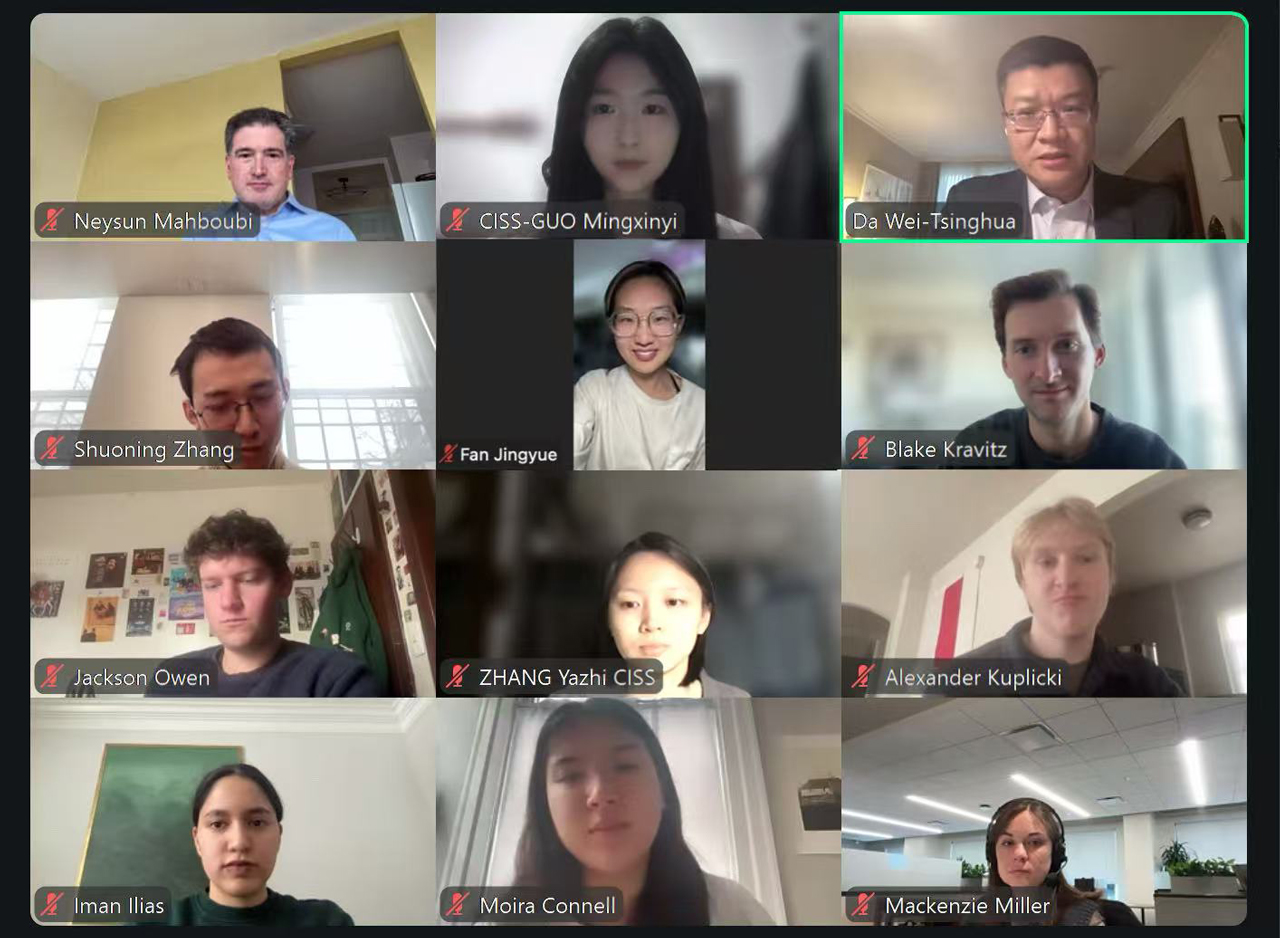
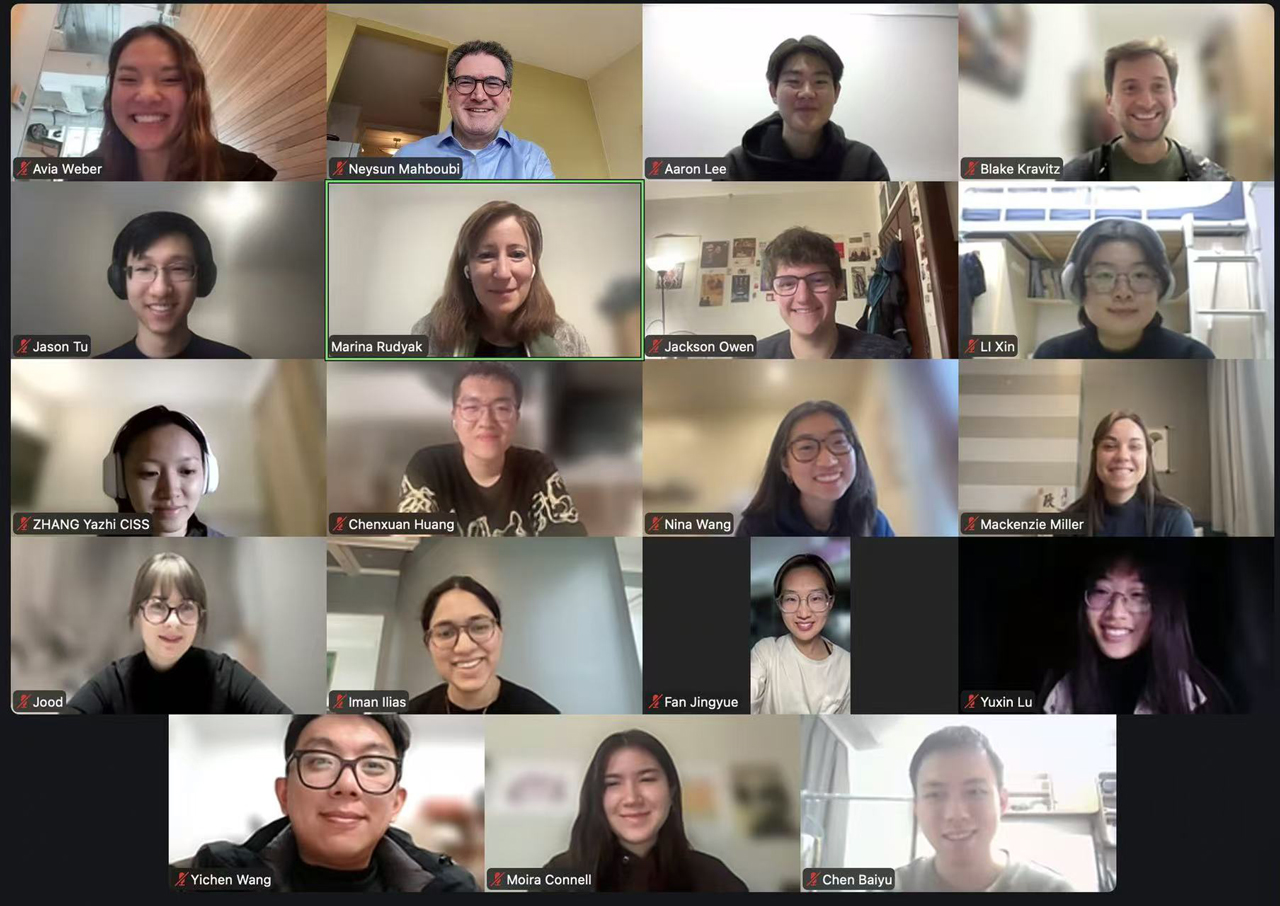
The four groups subsequently organized a series of thematic discussions featuring scholars and practitioners from China, the United States, and Europe.In March, the dialogue focused on Development and the Global South, with Marina Rudyak, Assistant Professor of Chinese Studies at Heidelberg University and Visiting Fellow at the Paul Tsai China Center of Yale Law School, discussing China's international development cooperation and the Global Development Initiative.
Later that month, discussions on Trade and Economics featured Wang Yong, Professor at Peking University and Director of the Center for American Studies, and Zongyuan Zoe Liu, Maurice R. Greenberg Senior Fellow for China Studies at the Council on Foreign Relations, who examined the challenges and prospects of China-U.S. economic and trade relations.In April, the focus shifted to Climate Governance and Technological Development. Lu Chuanying, Professor at Tongji University and Executive Deputy Director of the Research Center for Global Cyberspace Governance, and Kyle Chan, Research Fellow at the John L. Thornton China Center of the Brookings Institution, discussed clean energy development as well as competition and cooperation in artificial intelligence.The final online session, held in May, explored Geopolitics and China-U.S. Relations. Ali Wyne, Senior Research and Advocacy Adviser for U.S.-China Relations at the International Crisis Group, and Mei Yang, Assistant Dean of the Institute for International Affairs, Qianhai, Chinese University of Hong Kong (Shenzhen), shared their perspectives on strategic competition, regional security, and the future trajectory of bilateral relations.
Combining expert presentations with interactive discussions, the online dialogue series provided participants with opportunities to deepen their understanding of global development, technology governance, economic cooperation, and major-power relations while strengthening academic connections between students from the two universities.
On June 2, student researchers from the Penn Project on the Future of U.S.-China Relations visited Tsinghua University for an in-person exchange program jointly organized by the Center for Student Global Competence Development, the Penn Project on the Future of U.S.-China Relations, and CISS. Under the theme "China-U.S. Perceptions and Coexistence in a Changing World," students and experts from both countries engaged in face-to-face discussions on issues shaping the future of bilateral relations.
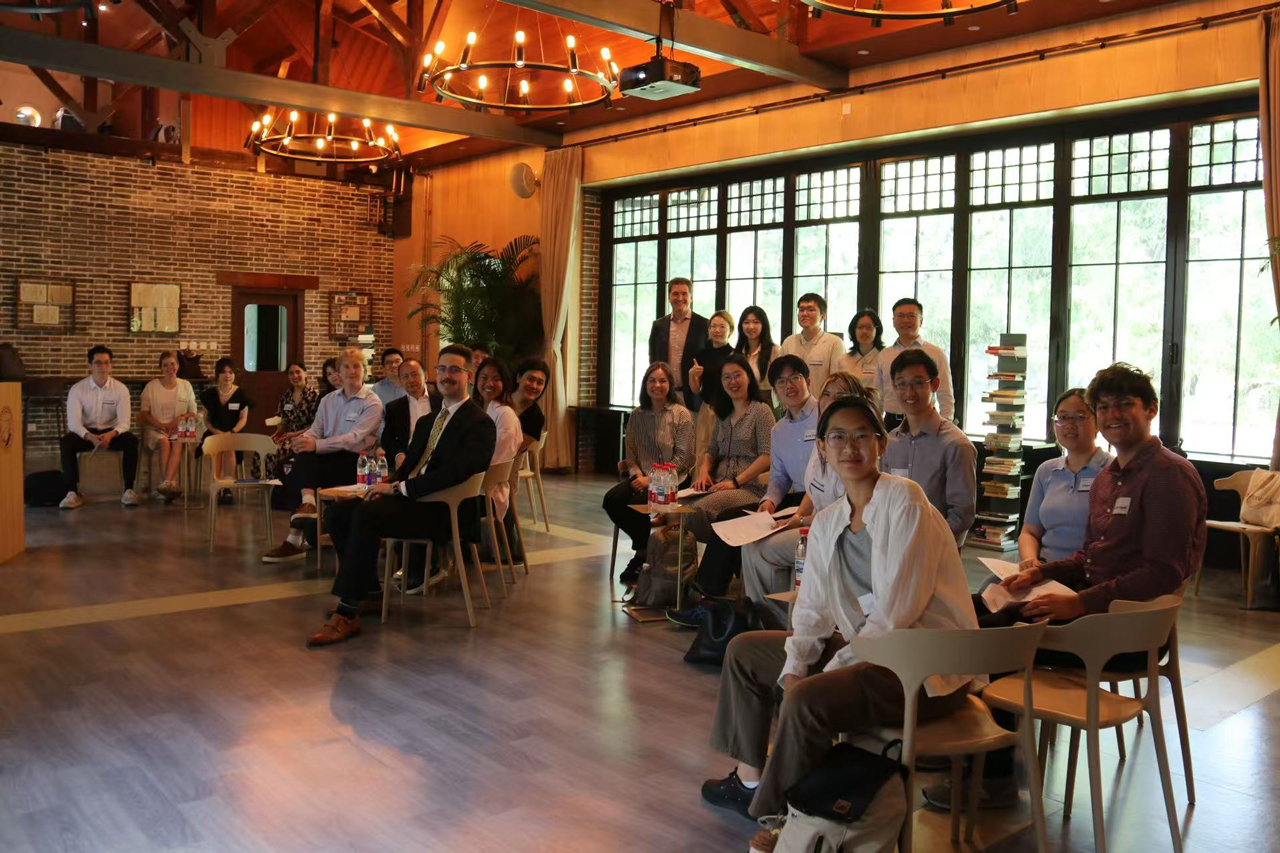
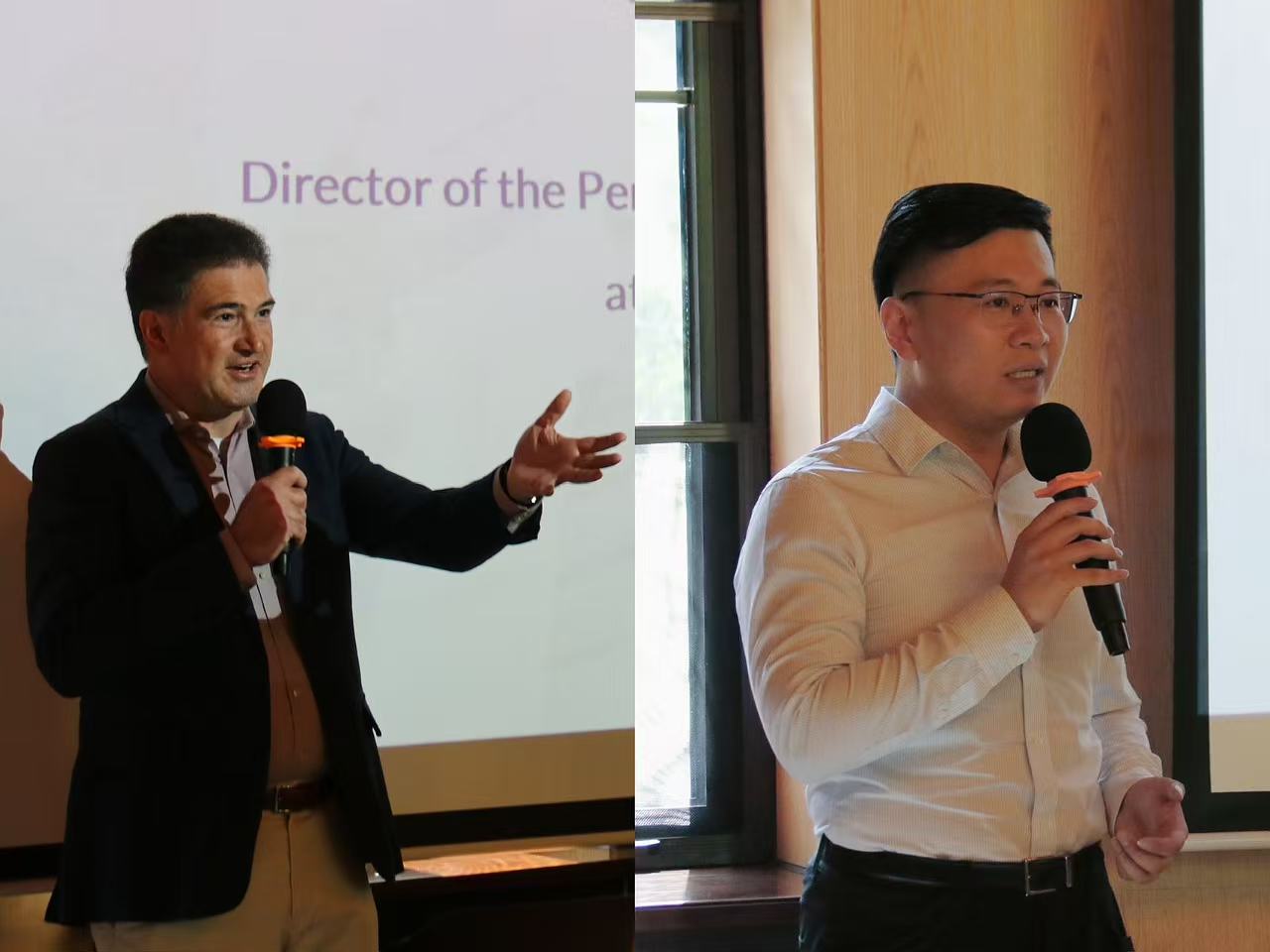
Opening remarks were delivered by Zhang Runzhou, Deputy Director of the Center for Student Global Competence Development at Tsinghua University, and Neysun Mahboubi. Both speakers emphasized the importance of direct dialogue among young people in reducing misunderstandings, strengthening mutual trust, and fostering constructive China-U.S. engagement amid an increasingly complex international environment.
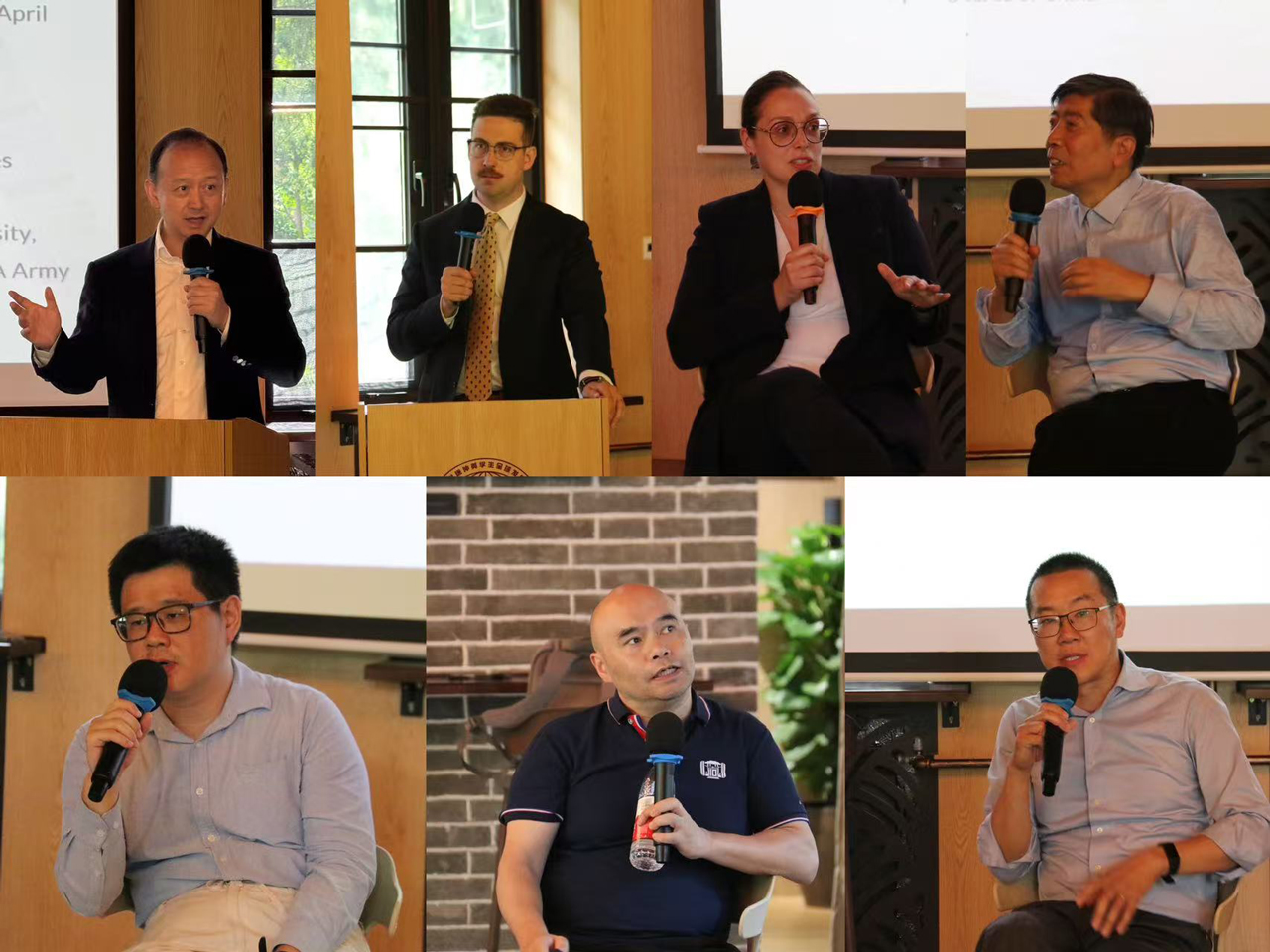
The program featured four parallel discussion sessions on Geopolitical Competition, Development and the Global South, Trade and Economics, and Media and Public Opinion. Experts including Zhou Bo, Senior Fellow at CISS; Joe Mazur, Senior Analyst at Trivium China; Tang Xiaoyang, Chair of the Department of International Relations at Tsinghua University; Huo Jianguo, Former President of the Chinese Academy of International Trade and Economic Cooperation (CAITEC); Elisa Hörhager, Chief Representative of the Federation of German Industries (BDI) in China; Wang Zichen, Deputy Secretary-General of the Center for China and Globalization (CCG); and Jonathan Cheng, China Bureau Chief of The Wall Street Journal, delivered keynote remarks and moderated discussions on strategic stability, Global South cooperation, China-U.S.-Europe economic relations, and international communication in the AI era.Participants from both countries actively exchanged views, challenged one another's perspectives, and explored common ground through candid and substantive discussions.
In addition to policy discussions, the program also included activities designed to deepen participants' understanding of China's history and society.
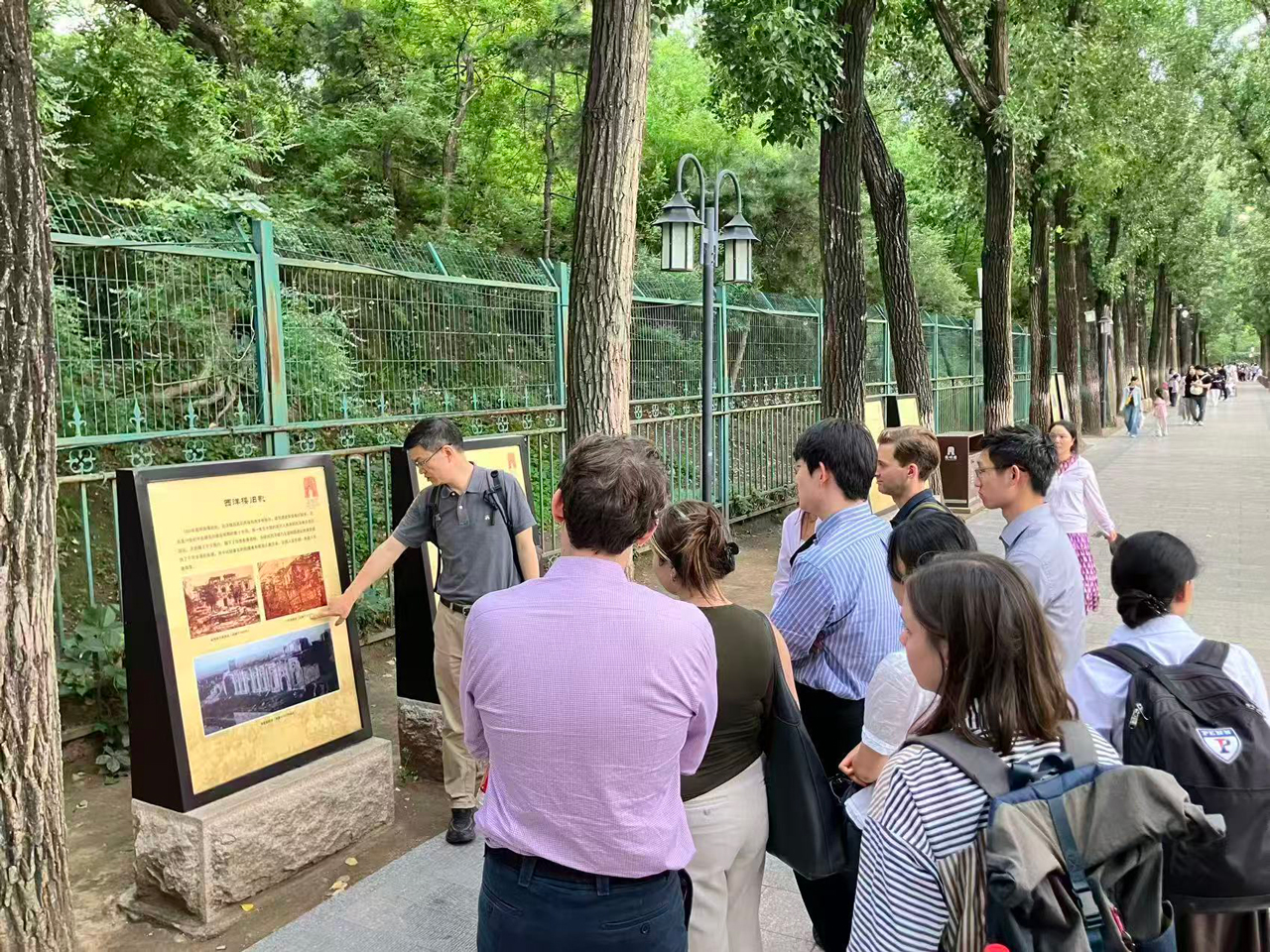
On June 8, Da Wei accompanied the Penn delegation on a visit to the Old Summer Palace (Yuanmingyuan) in Beijing. Introducing the historical significance of the site within the broader context of modern Chinese history, he discussed its enduring place in China's historical memory and cultural heritage. Participants also exchanged views on historical memory, cultural preservation, and cross-cultural understanding.
The visit offered American students an opportunity to gain a deeper appreciation of Chinese history and culture while highlighting the importance of historical understanding in fostering meaningful international dialogue.
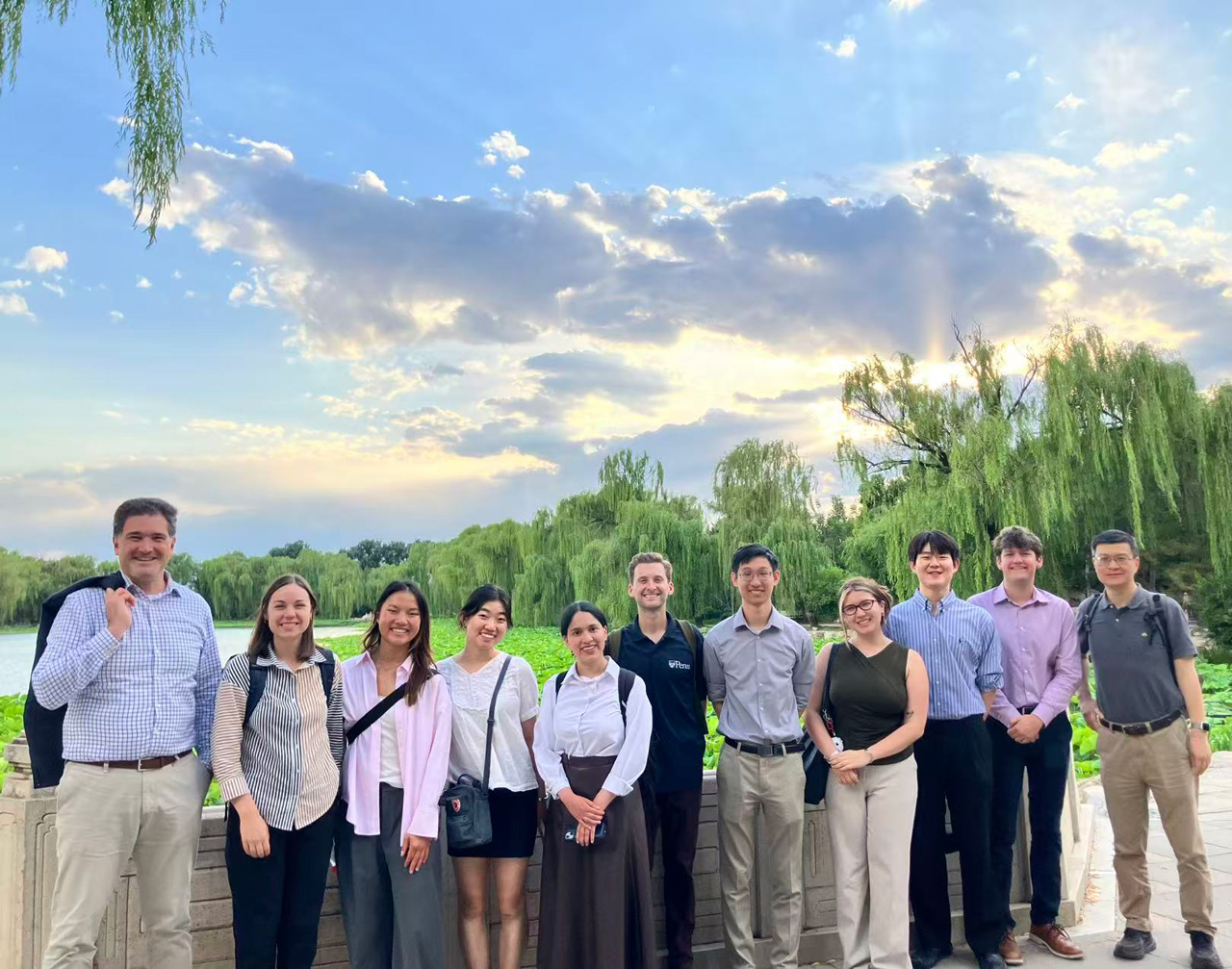
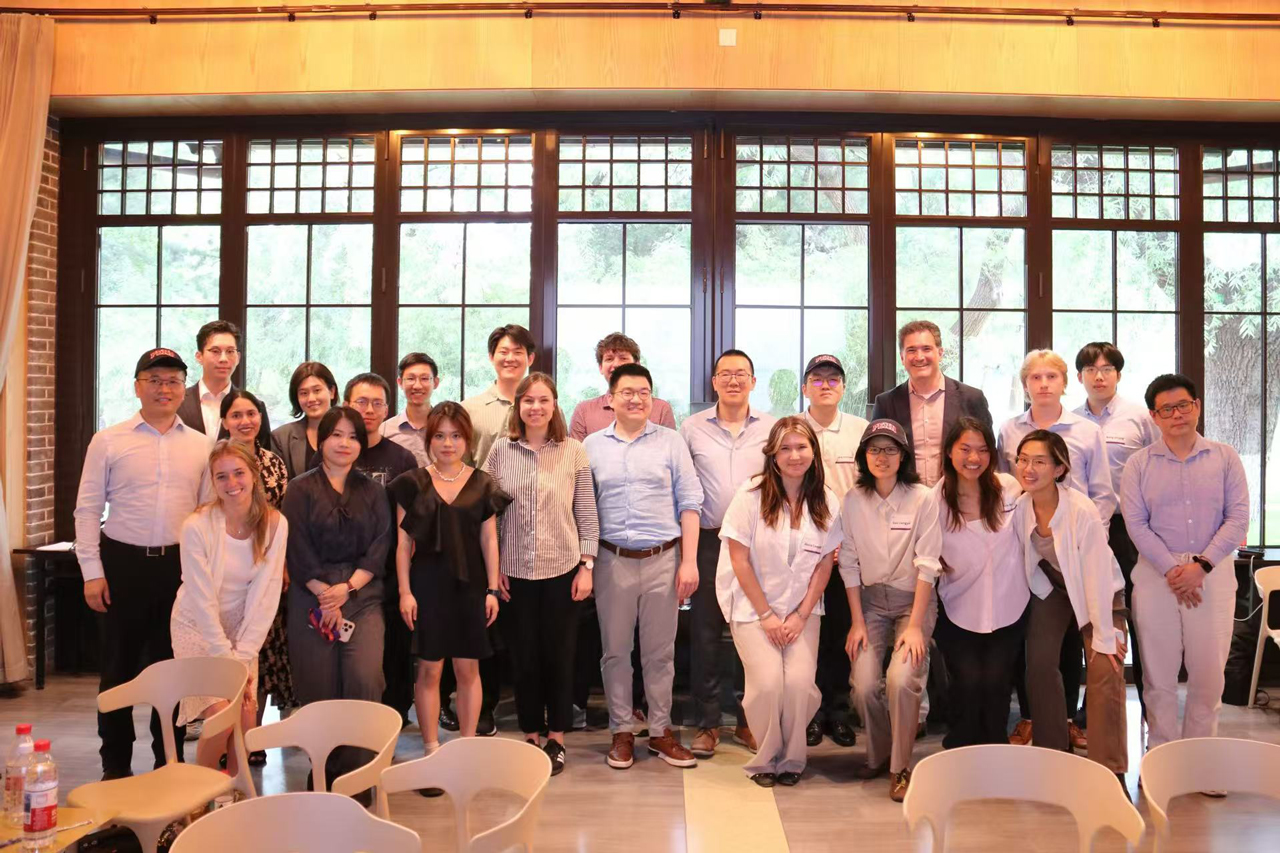
Youth exchanges remain an important foundation for mutual understanding between China and the United States. Through sustained dialogue and academic collaboration, the 2026 CISS–Penn Youth Dialogue strengthened communication and mutual trust among young scholars from both countries while encouraging open-minded exchange and mutual learning.
Looking ahead, the CISS Youth Program will continue to expand international youth engagement by working with universities and think tanks around the world to build more regular and multi-level dialogue platforms, contributing to the long-term development of China-U.S. relations through sustained people-to-people exchange.