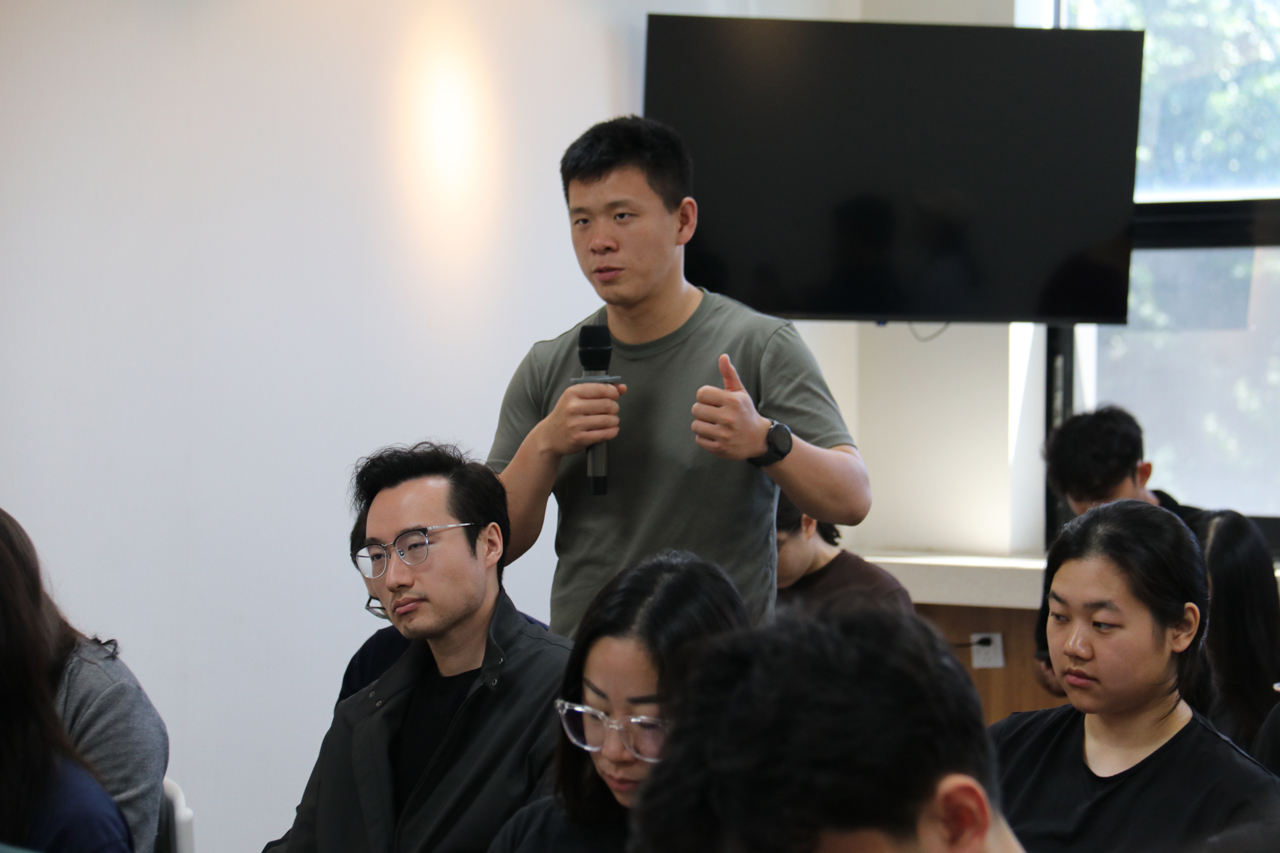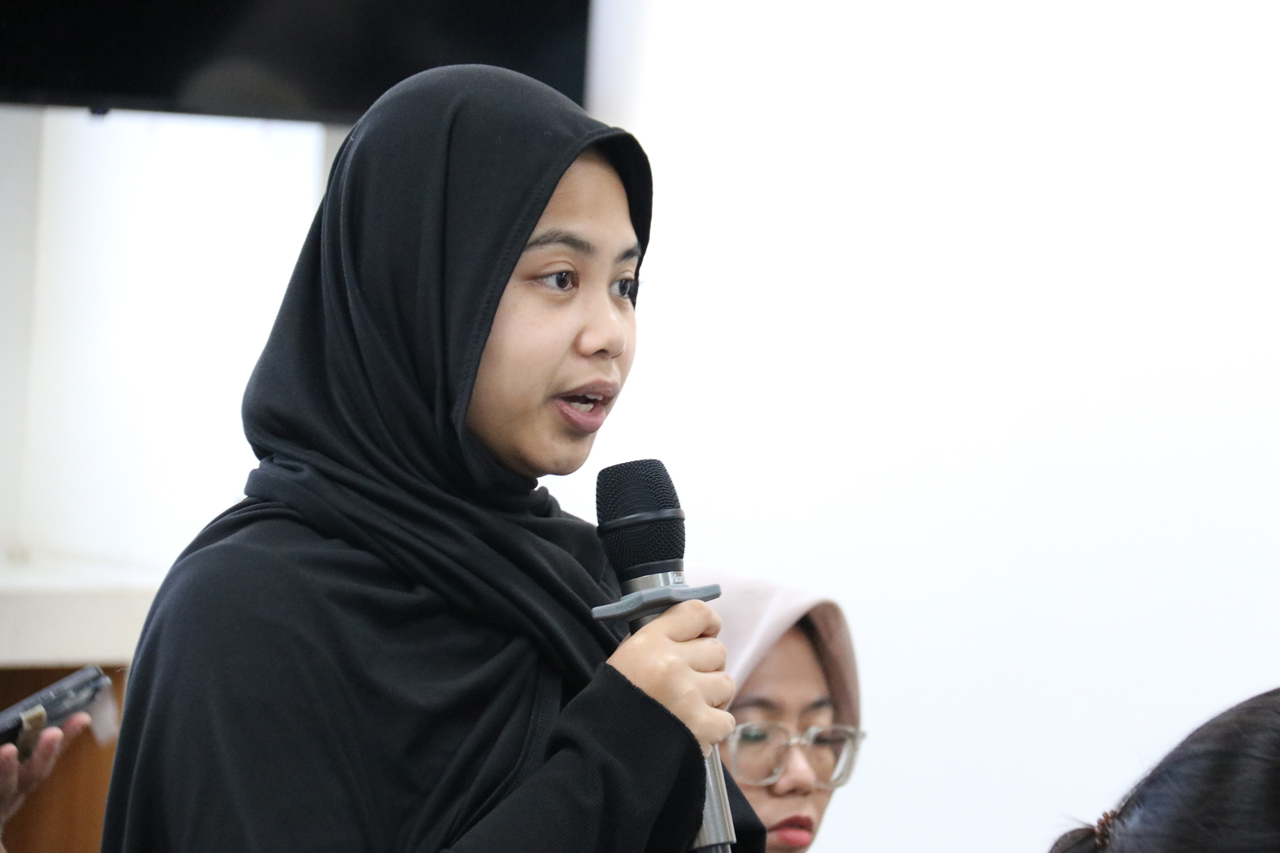
On June 5, the Center for International Security and Strategy (CISS) at Tsinghua University hosted a new session of its Conversation with the Leading Minds series under the theme "Revitalizing China-U.S. People-to-People Exchanges After the Summit." The event was moderated by Xiao Qian, Deputy Director of CISS, and featured Professor Denis Simon, Bank of America Chair in China and Global Affairs at Schwarzman College, Tsinghua University, and Senior Advisor at the Quincy Institute, as the keynote speaker. The discussion focused on the current state and future prospects of educational and academic exchanges between China and the United States.
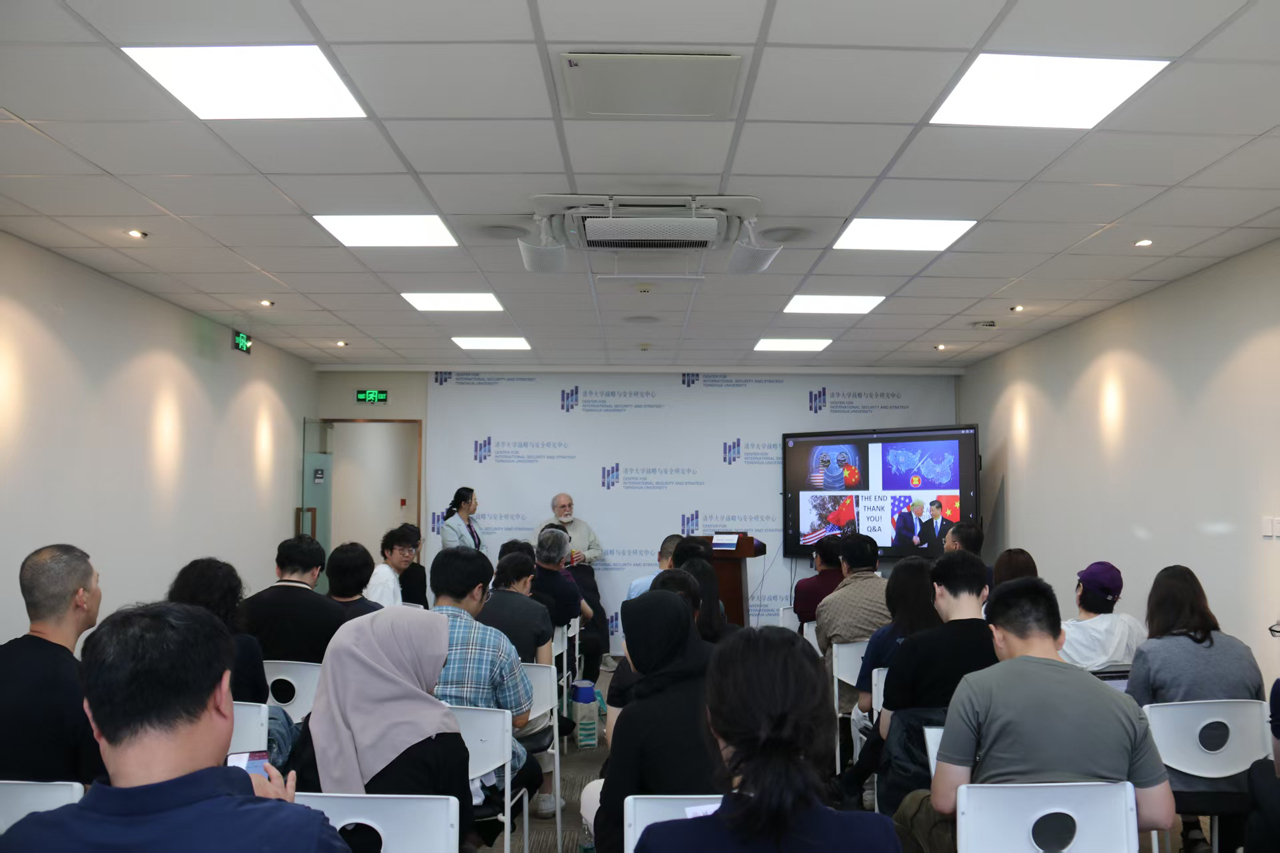
Professor Simon emphasized that educational exchange has long been a foundational pillar of China-U.S. relations. During the first three decades of bilateral engagement, educational and scientific cooperation continued to expand despite political differences. Since 2016, however, educational and research ties have encountered mounting challenges due to growing security concerns and political tensions. The number of students studying in each other's countries has declined significantly, while some U.S. universities have reduced engagement with Chinese institutions amid an increasingly restrictive policy environment.
At the same time, Professor Simon noted that China's rapid progress in STEM (science, technology, engineering, and mathematics) education, together with practical obstacles such as U.S. visa restrictions and security-related concerns, has encouraged more outstanding Chinese students to pursue graduate education domestically or through Sino-foreign joint programs. Meanwhile, the sharp decline in the number of American students studying in China since the COVID-19 pandemic raises concerns about the future shortage of U.S. experts with first-hand knowledge of China, which could have long-term implications for bilateral relations.
Professor Simon argued that national security has become the principal obstacle to bilateral cooperation in education and science. Collaboration in dual-use fields—including artificial intelligence, quantum computing, and aerospace—has become increasingly difficult, while U.S. export control measures, including the Entity List, have affected cooperation with some Chinese universities. He observed that some policymakers in Washington have sought to promote broader decoupling between the two countries through these measures.
Drawing on his experience participating in Track II dialogues on higher education over the past several years, Professor Simon proposed a strategy of "smart openness." Rather than viewing cooperation through a binary lens, he suggested adopting a "red-yellow-green" framework. Areas directly involving military and national security would fall into the red category, where cooperation should be restricted. Fields such as environmental science, climate change, food security, and public health would belong to the green category, where collaboration should be actively encouraged. Dual-use technologies would be placed in the yellow category, with the scope of cooperation adjusted according to the broader state of bilateral relations. Such an approach, he argued, would enable both countries to capitalize on their complementary strengths—America's advantages in frontier research and China's strengths in scale, research platforms, data resources, and rapid technological application.
Looking ahead, Professor Simon outlined three possible trajectories for China-U.S. relations. The first is selective decoupling, in which cooperation is limited in sensitive fields such as STEM while continuing in other areas—a situation that largely reflects current realities. The second is comprehensive bifurcation, where competing educational and technological systems emerge under separate U.S.- and China-led standards, a development he described as detrimental to the international community. The third is a scenario of intensified competition under a framework of strategic stability, in which competition continues but is accompanied by greater efforts to manage risks.
Professor Simon concluded by noting that educational exchange has become increasingly intertwined with technological competition. He referenced a recent report by the U.S. National Academies highlighting China's importance as a source of highly skilled talent for the United States, arguing that its recommendations have not received sufficient policy attention. Regardless of whether China is viewed as a partner or a competitor, he stressed that the United States should prioritize sending more students to China in order to develop a deeper understanding of the country. While acknowledging the uncertainties surrounding the current U.S. political environment, he expressed cautious optimism about the future of China-U.S. educational exchanges, emphasizing that the mutual demand for cooperation in education and scientific research remains strong and should not be allowed to diminish.
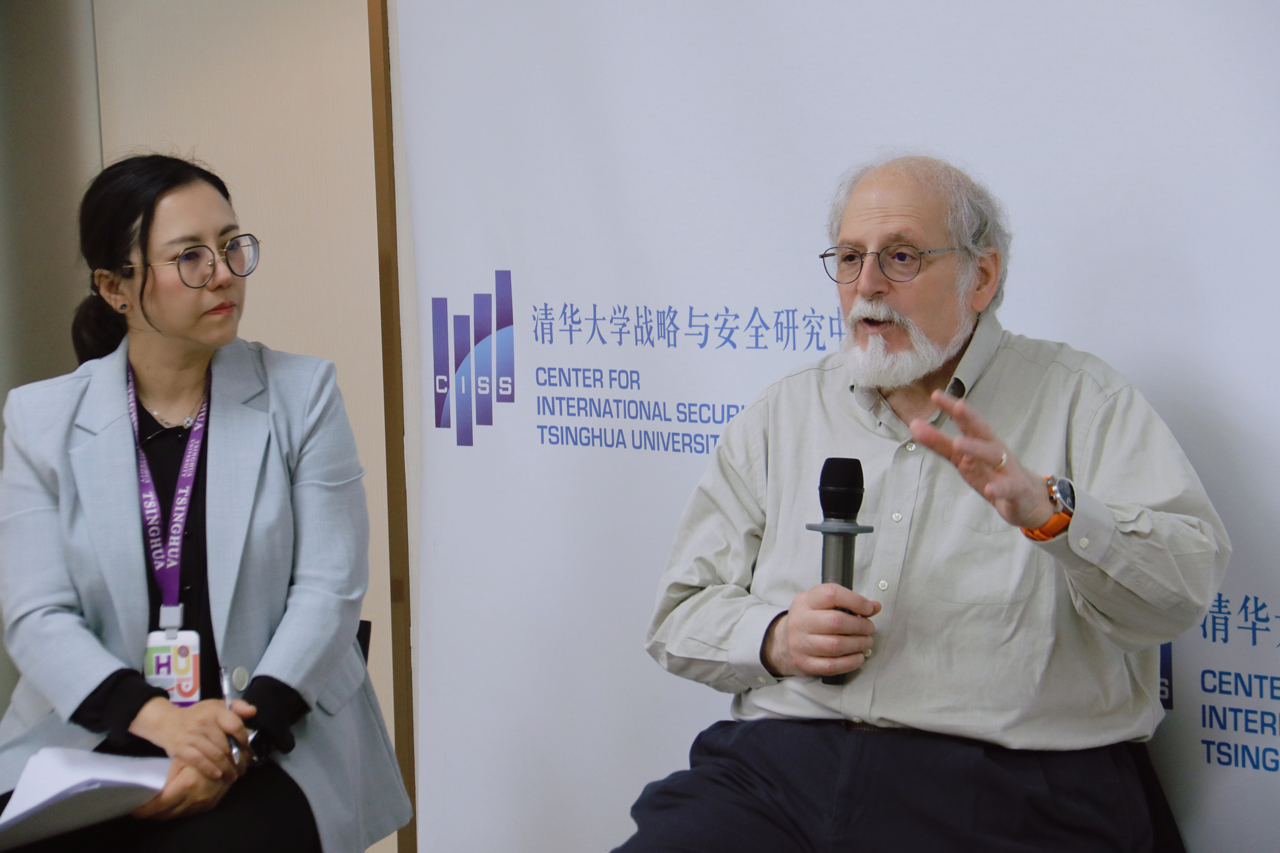
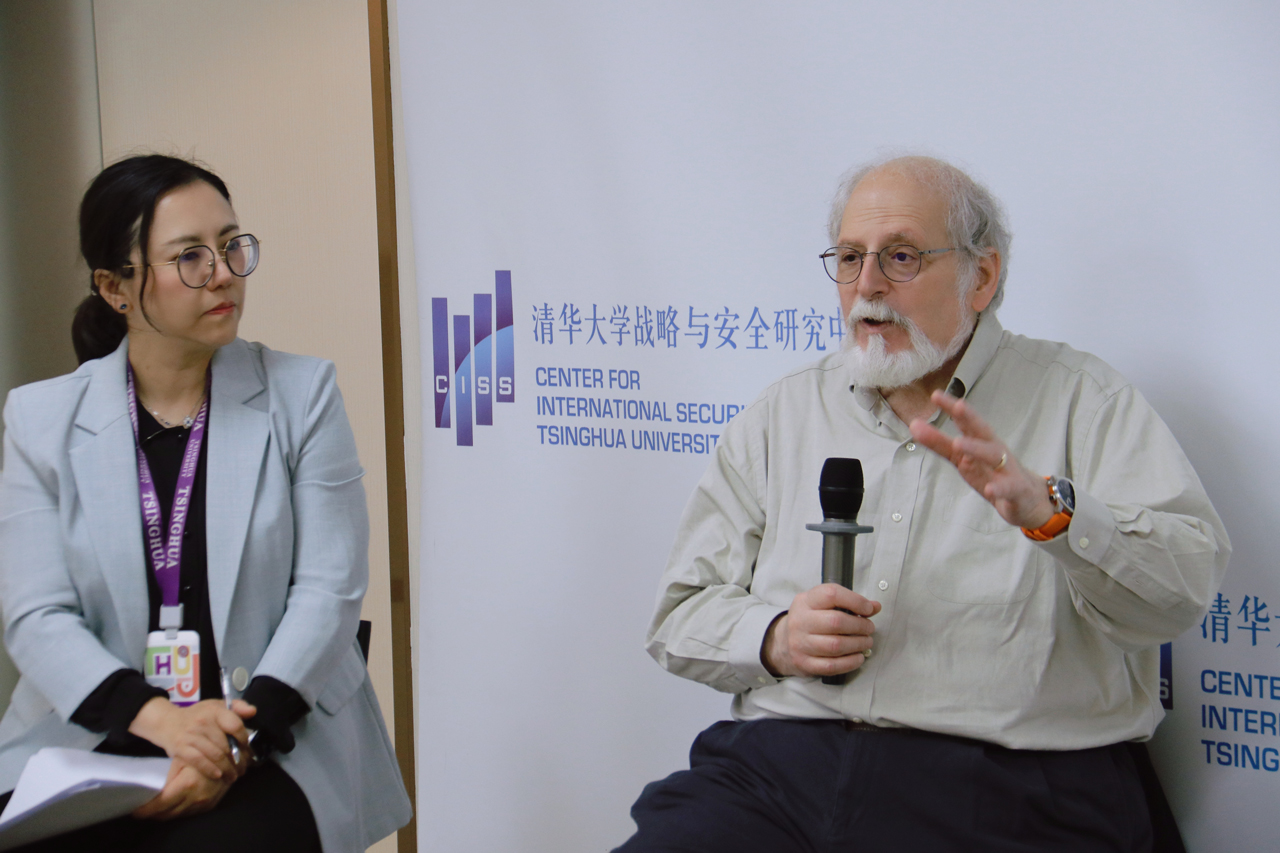
In her concluding remarks, Xiao Qian observed that educational exchange remains an important pillar of China-U.S. relations. Despite growing strategic competition and security concerns, cooperation in education and scientific research remains both possible and necessary. She noted that the consensus reached by the two heads of state on building a constructive strategic stability relationship has created new opportunities for advancing bilateral educational exchanges. Tsinghua University, she added, remains committed to expanding its international engagement by welcoming outstanding students from the United States and around the world and by deepening substantive cooperation with leading American universities.
During the Q&A session, participants discussed a range of issues, including opportunities for advancing a "China-U.S. Relations 3.0" framework, the domestic political drivers behind restrictions on subnational exchanges in the United States, educational and technological cooperation with developing countries, alternative pathways for students to gain international educational experiences, and the role of people-to-people exchanges in AI governance. Professor Simon reiterated the indispensable role of Track II dialogue and non-governmental organizations in sustaining bilateral engagement and called for developing multi-level communication mechanisms to support meaningful cooperation between the two countries.