International Youth Dialogue: New Voices on China-US Relations — 2026 Exchange Trip to the United States
2026-10-05
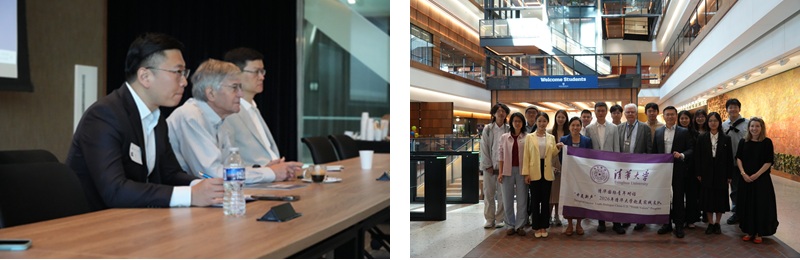
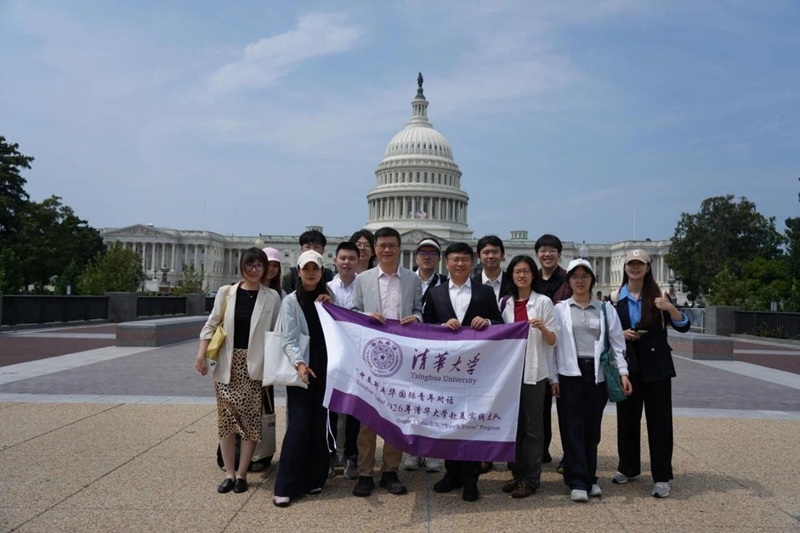
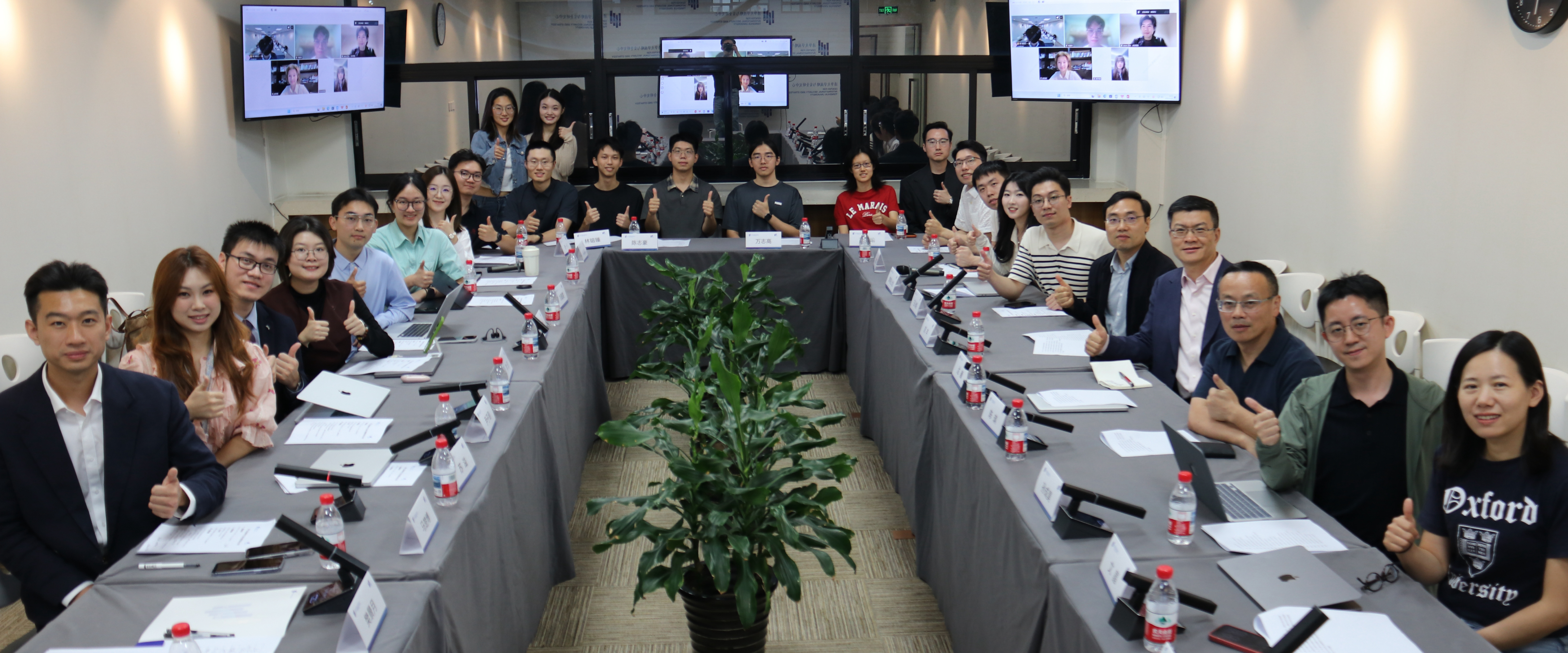
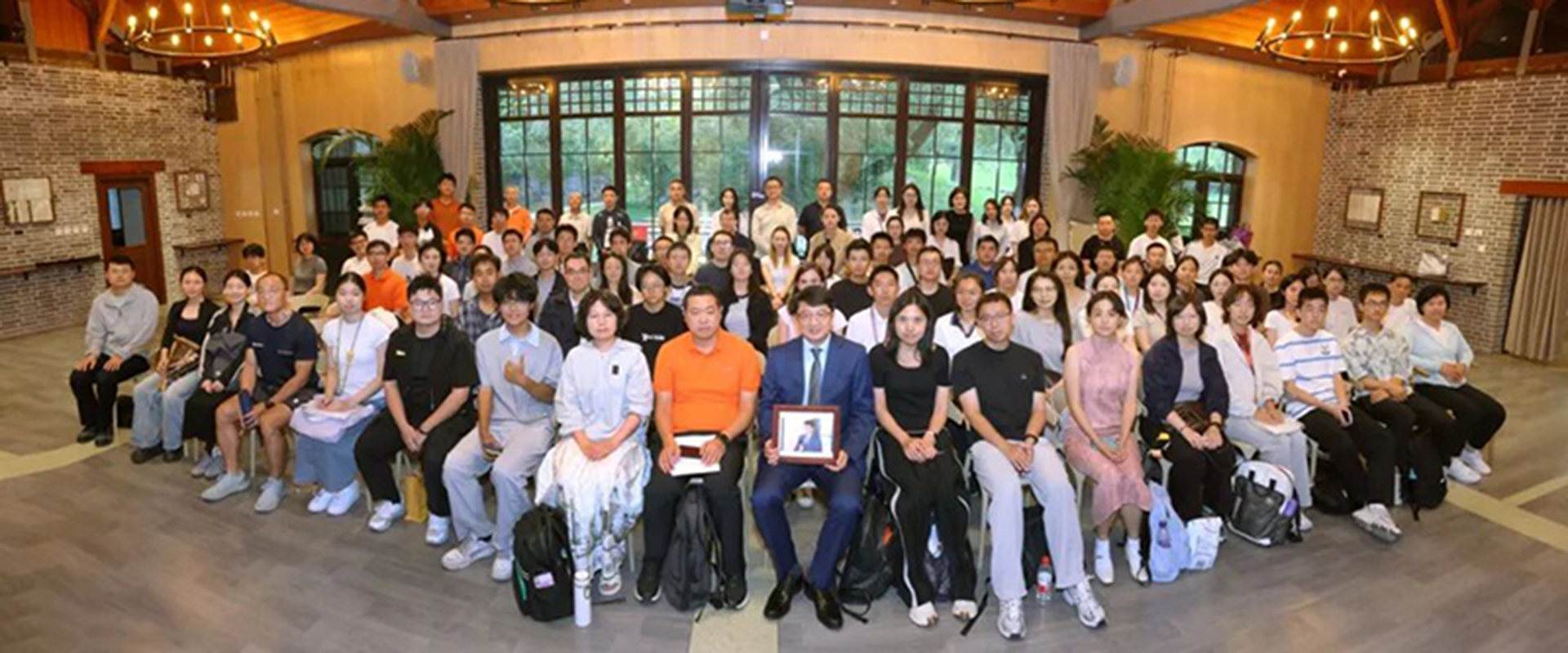
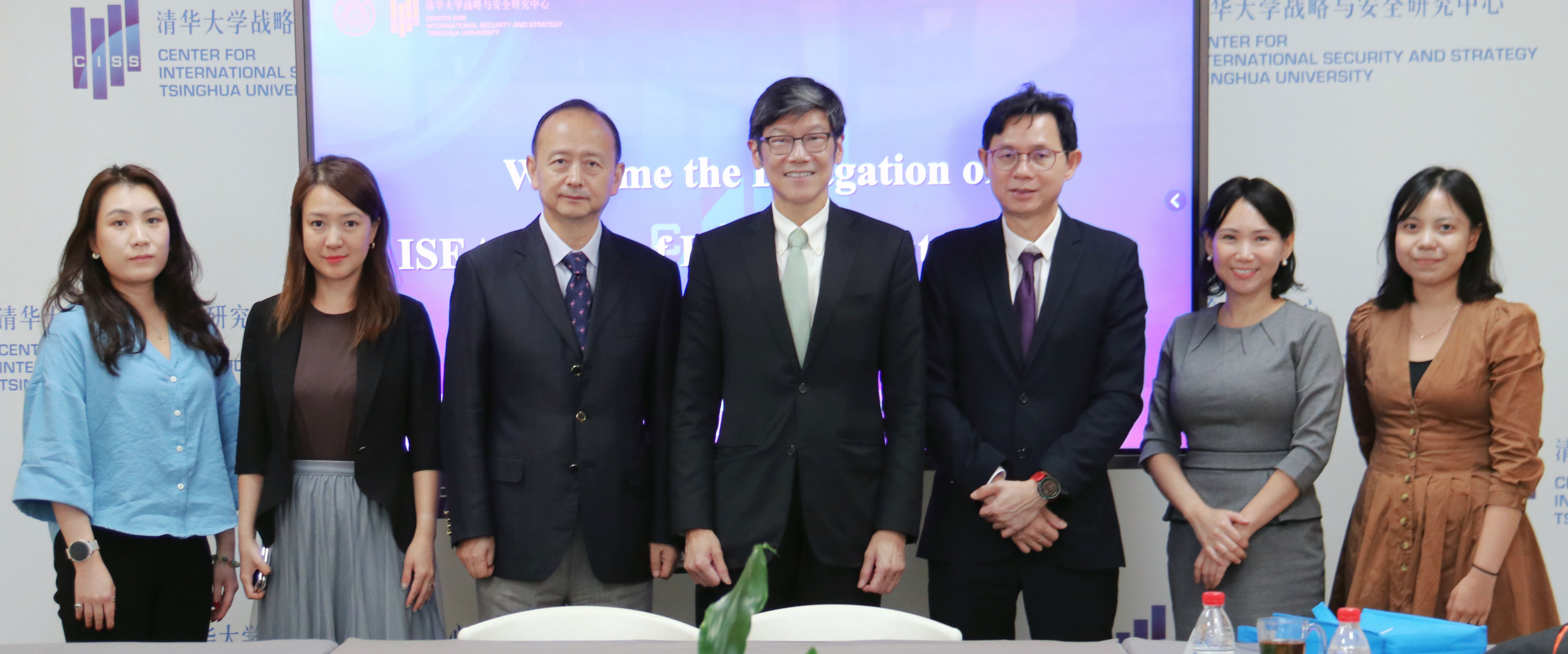
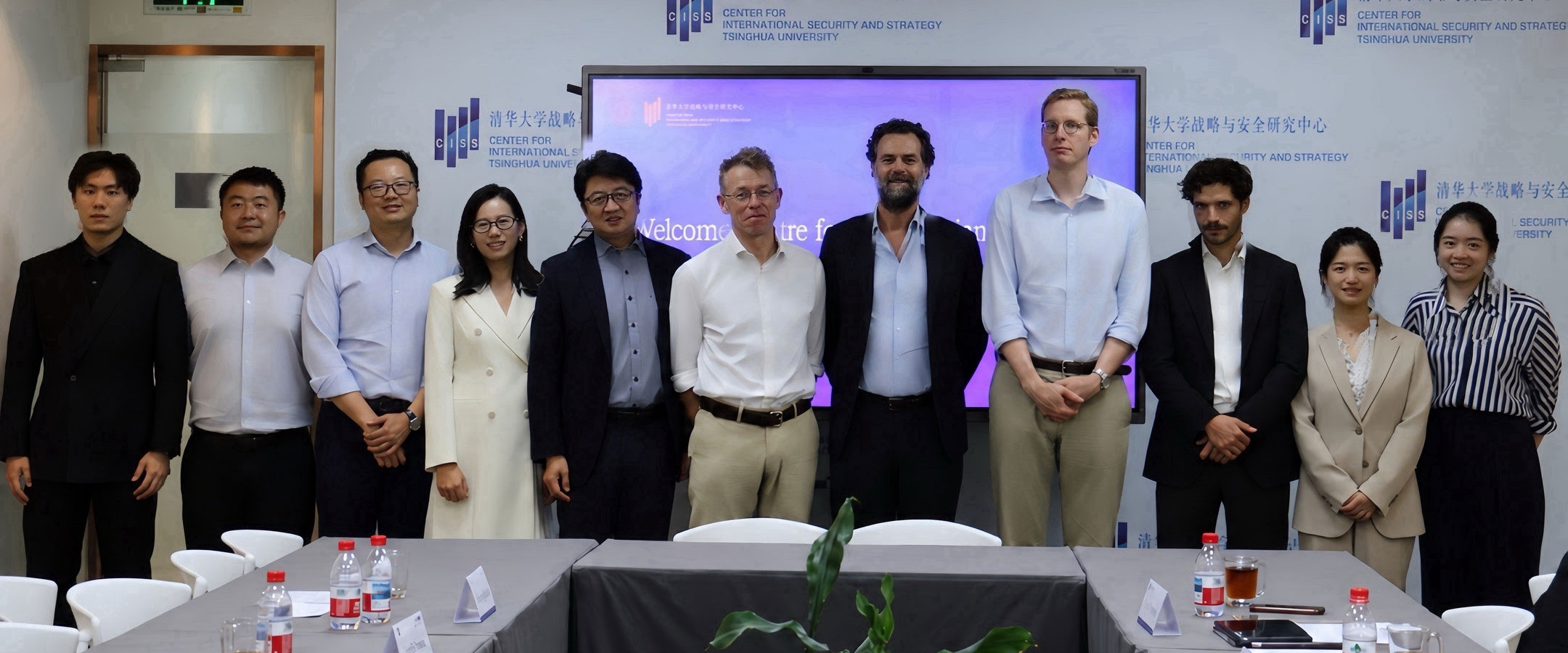
From August 24 to September 4, 2026, the delegation of the Tsinghua University "International Youth Dialogue: New Voices on China-US Relations" China-US youth exchange program conducted a twelve-day exchange visit to Washington, D.C., Philadelphia, and New York. The delegation was led by Professor Da Wei, Director of the Center for International Security and Strategy (CISS), Tsinghua University, and Zhang Runzhou, Deputy Director of the Tsinghua Center for Global Competence Development. It comprised ten outstanding undergraduates from various schools and departments of Tsinghua University and three doctoral and master's student teaching assistants.
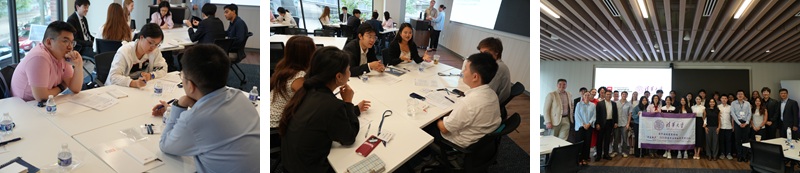
During the twelve days in the United States, the delegation visited American universities, think tanks, media organizations, business institutions, social organizations, international organizations, and the Chinese Embassy in the United States, engaging in in-depth exchanges on topics including China-US relations, youth exchange, artificial intelligence, economic and trade cooperation, journalism and communication, and global governance. At the University of Pennsylvania, the students continued their paired learning with American students, deepening their understanding of international politics, American society and culture, and China-US relations through on-site visits and sustained dialogue, and exploring pathways for youth participation in China-US people-to-people exchange.
Approaching the Policy Arena: Understanding China-US Relations Through Exchange
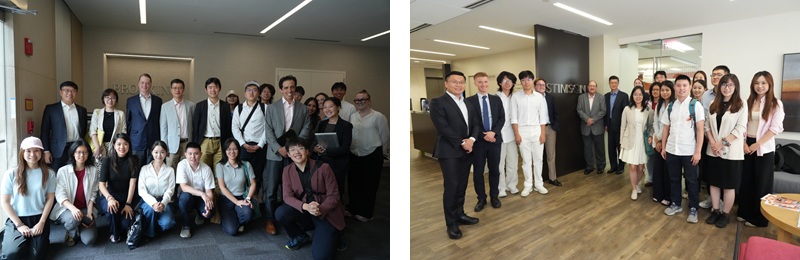
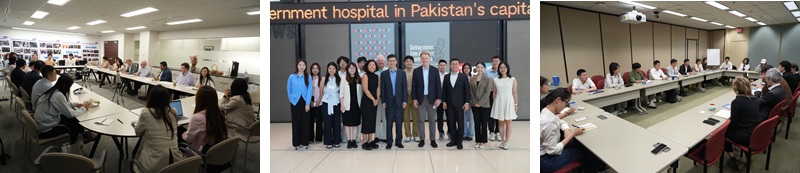
In Washington, D.C., the delegation visited institutions including the Johns Hopkins University School of Advanced International Studies (SAIS), the Stimson Center, the Brookings Institution, the Congressional Research Service (CRS), the US-China Business Council (USCBC), the US-China Education Trust, and National Public Radio (NPR), exchanging views with American academics, policymakers, business leaders, and journalists.
At SAIS, James Steinberg, former U.S. Deputy Secretary of State and Dean of the school, together with leading China scholars David Lampton and Susan Shirk, discussed China-US academic cooperation and people-to-people exchange with the delegation. The scholars reviewed the development of China-US educational exchange and noted that, against the backdrop of challenges in the bilateral relationship, maintaining student exchange, academic contact, and social interaction is of great significance for enhancing mutual understanding.
At the Brookings Institution and the Stimson Center, discussions focused on risk management and communication mechanisms amid China-US competition. Participating scholars held that even when substantial cooperation proves difficult in certain areas, sustained communication, mutual confirmation of intentions, and identification of risk boundaries still help reduce miscalculation. A decline in people-to-people contact and direct engagement, by contrast, may leave both sides more dependent on preconceived impressions of one another. The value of youth exchange lies not only in fostering goodwill but also in continuously observing the other side as it truly is and preserving room to correct judgments.
At the US-China Business Council, the Council's leadership and the delegation discussed tariff policy, business operations in China, artificial intelligence, and export controls, gaining a deeper understanding of how macro-level policies translate into the practical trade-offs firms face among production arrangements, compliance costs, and long-term investment.
At NPR, the delegation exchanged views with Steve Inskeep, host of "Morning Edition," and members of the China reporting team on issues including China coverage, news narrative, and media professionalism. The journalists observed that, beyond macro policies, specific individuals and their lived experiences help audiences understand a real and diverse Chinese society. Confronted with challenges from the political environment, business models, and technological change, news organizations should still uphold fact-checking, identify sources clearly, and safeguard reporting quality and accuracy through professional mechanisms.
At the Congressional Research Service, researchers introduced the institution's mandate and working principles in providing policy research and analysis to Congress. The CRS remains nonpartisan, strictly confidential, and evidence-oriented, offering decision-makers and congressional staff reference material without making choices on their behalf. Mechanisms such as peer review, management review, and editorial review safeguard the neutrality and reliability of its research. The discussion on artificial intelligence also helped the students recognize that technological application may lead to circular citation and homogenization of sources, underscoring the importance of tracing primary sources, conducting cross-verification, and preserving the independence of information sources.
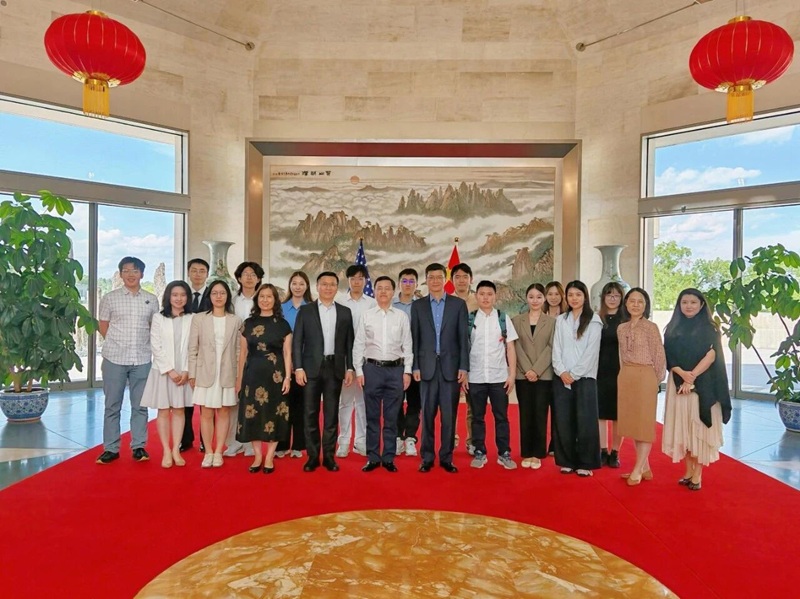
During the Washington visit, the delegation also paid a call on the Chinese Embassy in the United States. Minister Tang Zhiwen, together with heads of the Embassy's Education Office, Bilateral Affairs Office, and other departments, warmly received the visiting faculty and students. Minister Tang, in light of the current international situation and the development of China-US relations, encouraged the young students to continuously broaden their professional competence and international vision while maintaining a clear national consciousness and a firm stance on China, so as to better understand China and serve the country's development while gaining a deeper knowledge of the world. Heads of the Embassy's departments introduced the basic work of the Embassy in the United States and the current state of China-US relations, giving the delegation a more concrete understanding of diplomatic work, greatly deepening their reflections on the exchanges in the United States, and strengthening their sense of responsibility and mission in advancing China-US people-to-people exchange.
Into the Campuses and Cities: Knowing Each Other Through Shared Experience
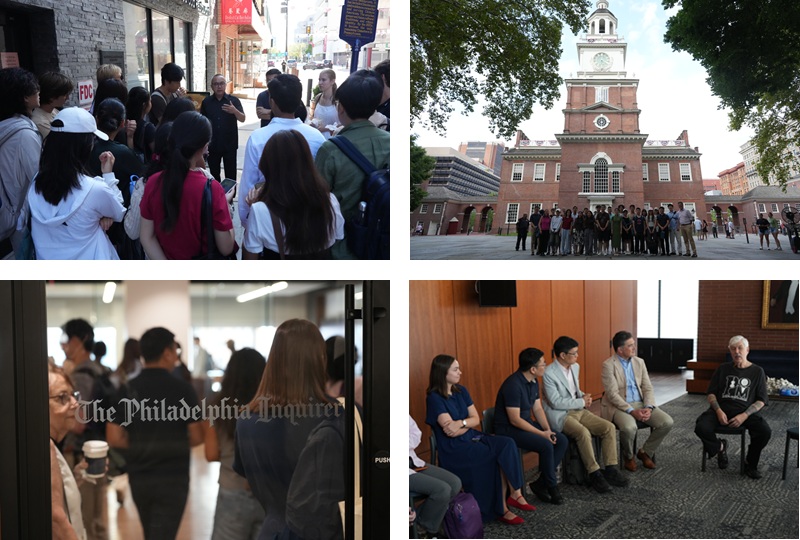
In Philadelphia, the delegation students engaged in paired exchange with students of the University of Pennsylvania. In June of this year, a group of Penn students had visited Tsinghua University for four days, and some delegation members had participated in the June exchange. The delegation's visit to Penn thus continued and deepened the June exchange. Tsinghua and Penn students were paired one-on-one, jointly attending seminars, touring the city, and sitting in on classes. Days of shared learning and companionship extended their exchanges from initial self-introductions to professional interests, campus life, personal growth, and future plans.
Faculty and students from both universities held four thematic seminars on China-US people-to-people exchange, artificial intelligence and emerging technologies, media and public opinion, and China-US economic and trade relations. In the people-to-people exchange session, the history of the Chinese Educational Mission students opened up questions of cultural adaptation, identity, and people-to-people contact, and students from both universities also collaborated with their partners in writing poems expressing their understanding of exchange and the future. In the seminar on artificial intelligence, participants discussed the development opportunities, security risks, and governance challenges brought by technological innovation. In the discussions on media and economic and trade issues, participants further recognized that news narratives are shaped by observational perspectives and the selection of information, while firms must continually make choices among efficiency, security, and policy uncertainty.
Beyond the seminar rooms, dialogue continued through the visits. The delegation visited Reading Terminal Market, Philadelphia's Chinatown, and the University of Pennsylvania Museum, observing Philadelphia's multicultural character through the lenses of immigrant communities, urban renewal, and civilizational heritage. In Chinatown, Penn Professor Lin Yinting introduced the history of how Chinese immigrants built communities, sustained cultural memory, and participated in urban development, in light of the neighborhood's architecture and public spaces. The delegation members thus came to see that China-US exchange exists not only in macro-level issues but also in the everyday lives of cities, communities, and ordinary people.
The delegation also visited the Museum of the American Revolution, the National Constitution Center, and Independence Hall, tracing the historical context of America's founding and the formation of its political system. In a lunch dialogue moderated by Professor Da Wei and Professor Ma Ruixin, students from both universities exchanged views on the historical, institutional, and political differences between China and the United States, drawing on the visits.
At The Philadelphia Inquirer, the Philadelphia Orchestra, and the Philadelphia Police Advisory Commission, the delegation learned about American society from the perspectives of journalism, cultural exchange, and urban governance, respectively. Violinist Davyd Booth, who had participated in the Philadelphia Orchestra's first visit to China in 1973, recounted that experience. A personal memory spanning half a century helped the students appreciate firsthand that sincere encounters can resonate across long years.
During the program, Tsinghua students also attended classes in various disciplines—including economics, political science, artificial intelligence, and computer science—alongside their Penn partners. The authentic classroom experience and sustained paired exchange gradually turned the once abstract notion of "American youth" into concrete, vivid individuals. At the closing exchange, students from both universities exchanged contact information and agreed to keep sharing updates and observations, turning their brief encounter into the starting point of a lasting connection.
In Diverse New York: Reflecting on Cooperation from a Global Perspective
In New York, the delegation extended its perspective from the bilateral relationship to a diverse society and global governance.
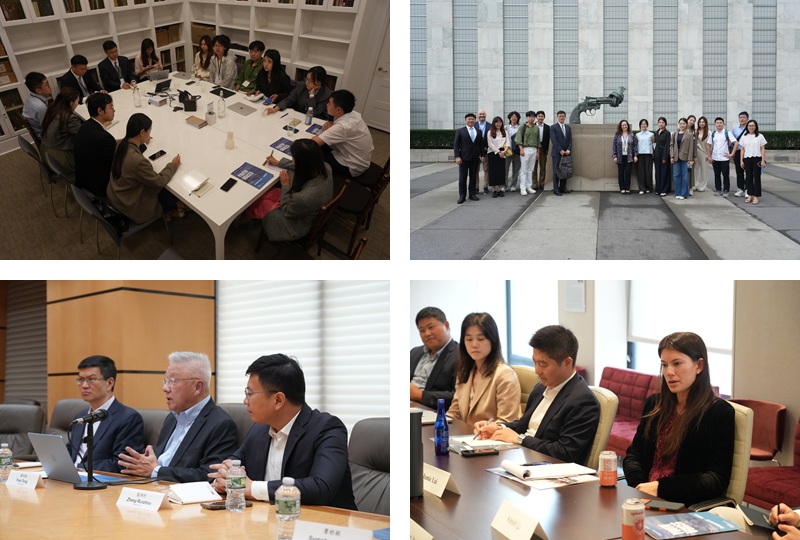
At the Council on Foreign Relations (CFR), the delegation exchanged views with Liu Zongyuan, Senior Fellow at the Council, on "understanding American society." The discussion touched on multiculturalism, identity politics, media algorithms, immigration, and generational change. The students came to recognize that observing a complex society cannot rely on a single indicator or preconceived judgment, but requires integrating history, language, local experience, and institutional operation, forming understanding through sustained observation.
At the United Nations Department of Political and Peacebuilding Affairs, Sonja Bachman, Team Leader of the Northeast Asia and Pacific Team of the Asia and the Pacific Division, used cases such as electoral support and peace processes to explain how the United Nations promotes dialogue, reduces miscalculation, and preserves space for the peaceful resolution of disputes through political assessment, technical support, and third-party coordination. The exchange also covered climate change, energy transition, and career pathways for youth entering international organizations, giving the delegation a deeper appreciation of the sustained and meticulous work behind multilateral governance.
At the US-China Public Affairs Association, the delegation exchanged views with the Association's President, Teng Shaojun, on the identity and civic participation of Chinese Americans. Drawing on his long experience of living and working in the United States, Teng observed that a Chinese cultural background and American social experience are not mutually exclusive but can become distinctive strengths in understanding both societies. Confronted with pressures from security reviews, political labeling, and anti-Chinese sentiment, Chinese Americans need to engage more consistently in local affairs, build stable ties with legislators and community organizations, and combine concern for their own community's interests with issues of shared concern to the broader community.
At the Asia Society Policy Institute, Qian Jing, Vice President of the Asia Society and Co-Founder and Director of its China Analysis Center, discussed the long-term value of youth exchange with the delegation. Although young people have not yet widely entered decision-making circles, they will be affected by changes in the bilateral relationship over the long term, and the transnational connections and track-two channels established today may prove valuable should a crisis arise in the future. Truly effective exchange requires maintaining openness and curiosity, testing existing judgments through sustained contact, and avoiding generalizing about the entire United States from a handful of internationalized cities.
Journey Without End: Let Encounters Become the Beginning of Understanding
Over twelve days, the delegation set out from the policy discussions of Washington, D.C., moved through the campuses, history, and communities of Philadelphia, and finally arrived at the diverse society and international organizations of New York. The three cities offered complementary windows through which the students could understand the United States, while also making it clearer that no short visit can fully capture a complex country. The value of on-the-ground contact lies precisely in raising more specific questions and finding new starting points for continuing to understand one another.
This exchange visit to the United States further broadened the students' international vision, deepened their understanding of China-US relations and American society, and strengthened their sense of responsibility as young people in cross-cultural communication. Confronted with differences, one should use professional knowledge to explore real questions; confronted with the unfamiliar, one should use firsthand experience to correct simplistic judgments; and confronted with the world, one should, while gaining a deeper understanding of others, speak about China more clearly and sincerely.
Although the journey has ended, the dialogue will continue. The delegation will cherish the connections established during this exchange and, in future study, research, and exchange, will continue to seek knowledge and deepen understanding, injecting new vitality into China-US people-to-people exchange with the openness, rationality, and sense of responsibility of youth.
Students' Reflections
Wang Xuelai: Washington, D.C. is a beautiful, understated, and orderly city, and I quickly came to like its blue skies, green grass, and local customs. As the political and cultural center of the United States, this functional city everywhere reflects the spiritual foundations on which America has endured. Beyond these grand observations, I also noticed a trait of the people of Washington: whether journalists traveling far and wide to report stories or analysts moving among archives to provide information for Congress, they generally devote themselves to their work with passion and conviction, showing me the character and bearing of knowledge workers. I hope to have the opportunity to return to Washington with a broader vision, deeper insight, and richer reserves of knowledge.
Zhang Hang: In D.C., through our exchanges I gradually came to realize that we should see both the problems of the United States and the country's distinctive resilience. Over the past few decades, the "decline of America" has been discussed repeatedly, yet the United States still plays an irreplaceable role in the world today. It is precisely in this context that, during these days of exchange, we kept hearing dissatisfaction with the government and with reality from all sectors of American society. Perhaps we should not simply dismiss this with a smile; a society's ability to confront its own problems may itself be part of what keeps it resilient. As Lu Xun said, "Dissatisfaction is the wheel that drives upward—it can carry humanity, never self-satisfied, toward a more humane world."
Li Yixuan: What struck me most during our visits to think tanks and media organizations in Washington was this: objectivity is not a static state, but something that must be continually achieved through debate among different positions and perspectives. The people at these institutions hold facts in reverence and strive to distinguish the known from the judged, yet they do not shy away from conflict. This made me realize that a genuinely critical attitude is not about finding flaws in others, but about continually examining one's own assumptions and actively listening to voices that may differ yet remain reasoned and evidence-based. This honesty toward facts and courage in dialogue are also among the foundations of mutual exchange and cooperation.
Gao Liangyu: We and American youth grew up in different cultural environments, yet our perspectives, experiences, and methods can inspire one another, and we learned a great deal from each other. When sharing mottos, my partner mentioned a motto of Penn: "Knowledge for Good." This may also be the meaning of our journey—connecting books and the real world through practice, deepening understanding through dialogue and exchange, and making our thoughts actively respond to the needs of society.
I must also praise our delegation. On the flight back to Beijing alone, feeling somewhat bored, I recalled the laughter of the preceding days and realized how happy it is to be accompanied by good friends. This team was so diverse in discipline and cohort, yet so harmonious, and every member played an indispensable role. I am fortunate to have met everyone and look forward to our next reunion.
Zhao Haiyang: As the revolutionary heart of the American War of Independence, this is the birthplace of the spirit of independence. The Continental Congress convened here, and the Declaration of Independence was signed here. The Constitutional Convention was held in Philadelphia. America won its independence in Philadelphia, and from Philadelphia it grew into a whole nation. America was born in Philadelphia.
But perhaps, like all rebellious cities, Philadelphia faced challenges after fifty years of prosperity. New York, which had been close to treasonous in the War of Independence, rose rapidly to become America's economic center by virtue of the Atlantic shipping routes.
If Philadelphia from the mid-nineteenth to the mid-twentieth century was still sustained by heavy industry, the formation of the Rust Belt nearly brought the city into decline.
In my observation, apart from the memorial halls and museums jokingly called America's "patriotic education bases," one would hardly feel that this was once such a legendary and great city.
Philadelphia's era has passed. But Philadelphia cannot live only in the past.
Philadelphia has indeed declined, compared with its brilliant and great past.
I asked Jackson, a Penn classmate I have known for two years and who has since graduated: Perhaps China could cooperate with the United States on these fronts and help America solve its own problems. Everyone would be better off, right? "Of course! We are not enemies." "Yes, we are friends, and we should be friends."
From Philadelphia, I saw America's past and present—its brilliance and its mire. But in this rusty yet resilient city, I glimpsed another possibility for China-US relations.
Wei Yanzhu: In the United States, I asked many people, and they all felt that New York best represents the America of the new era. That answer moved me deeply.
New York's cultural temperament is fluid, mixed, and diverse. Precisely for this reason, New York shows me both the most vibrant and the most contradictory side of America. Here there are global capital, international organizations, cultural industries, and immigrant communities, but also wealth disparity, the pressures of life, and loneliness. It makes one feel that everything is possible, yet that possibility does not belong equally to everyone.
It does not represent a perfect America, but an America in which diversity and division, opportunity and inequality, openness and anxiety coexist. Compared with the sense of power in Washington and the sense of history in Philadelphia, New York is more like the beating heart of America at this moment—chaotic yet real, weary yet still full of vitality.
New York itself reads like a footnote to the opening of A Tale of Two Cities: here the best of times and the worst of times interweave, and near the brilliantly lit Times Square there are also homeless people huddling against subway exhaust vents for warmth. As a visitor staying only briefly, I could see both sides, yet I could not resist being enchanted by New York's charm. In our many exchanges we discussed international politics, people-to-people exchange, and where the two most important countries are headed. If I had to find the most important meaning of all these discussions, I think the answer lies in the bustling crowds of Times Square: we come from different backgrounds, cultures, and ways of thinking, yet we gaze up at the same lights here and at the same, still higher sky. Grand narratives matter precisely because they concern every individual and every dream here.


 2026-10-05