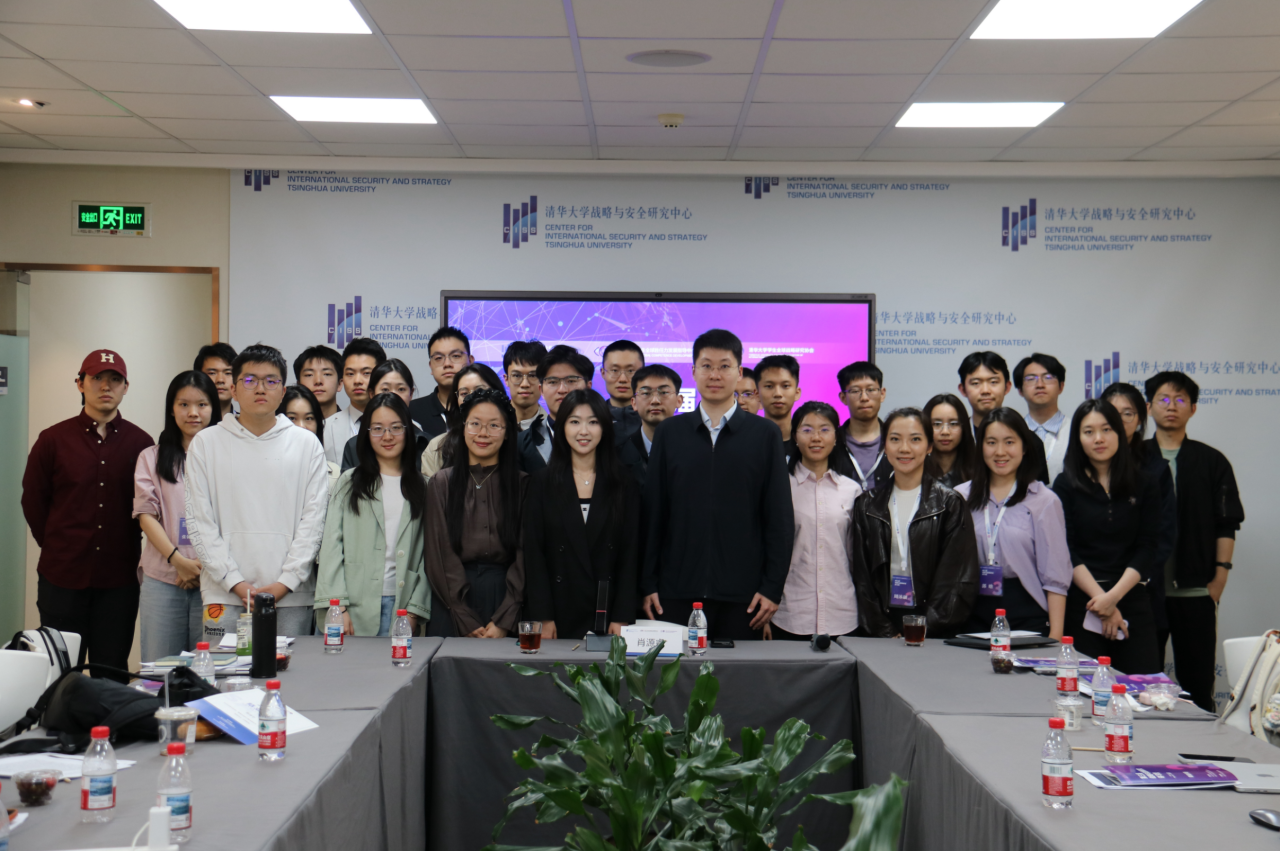
On May 8, 2026, the Third Strategic and Policy Research Seminar was successfully held. The seminar was jointly organized by the Center for International Security and Strategy (CISS) at Tsinghua University and the Center for Global Competence Development (CGCD) at Tsinghua University, with support from the Student Association for International Strategy Studies (SAISS) at Tsinghua University. The seminar aimed to help young students aspiring to careers in diplomacy, strategic planning, and international relations research broaden their global perspectives and cultivate strategic thinking. A total of 27 students from institutions including Tsinghua University, Peking University, Renmin University of China, Central Party School of the Communist Party of China, and Beijing Foreign Studies University participated in the event.
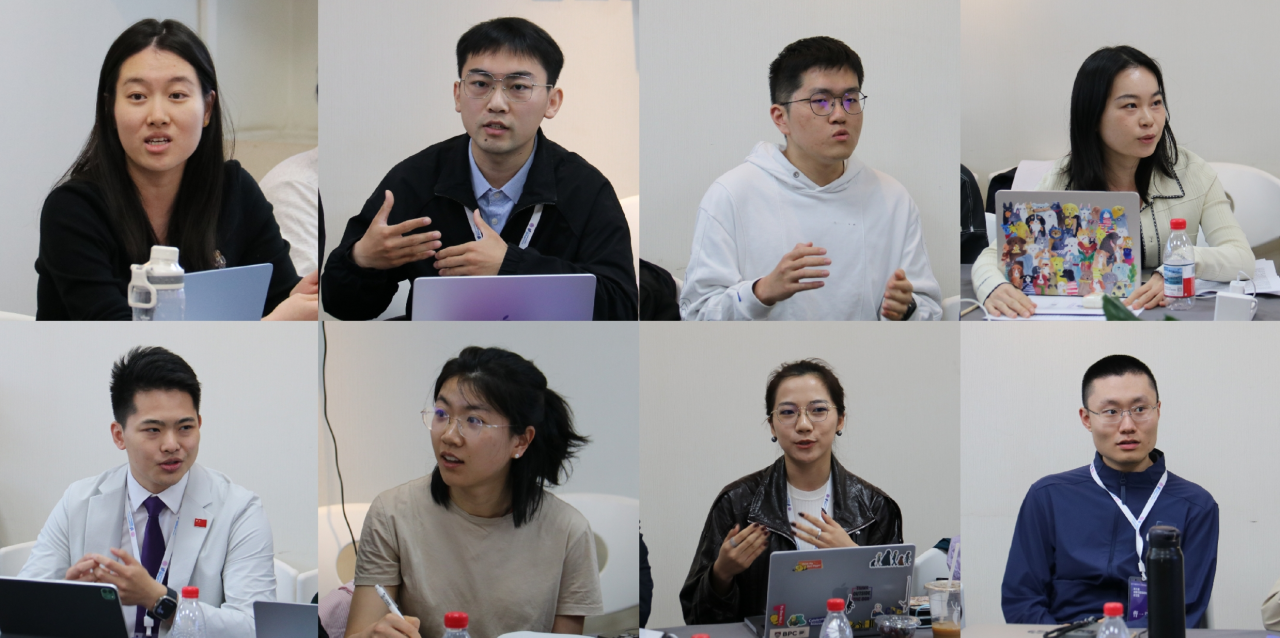
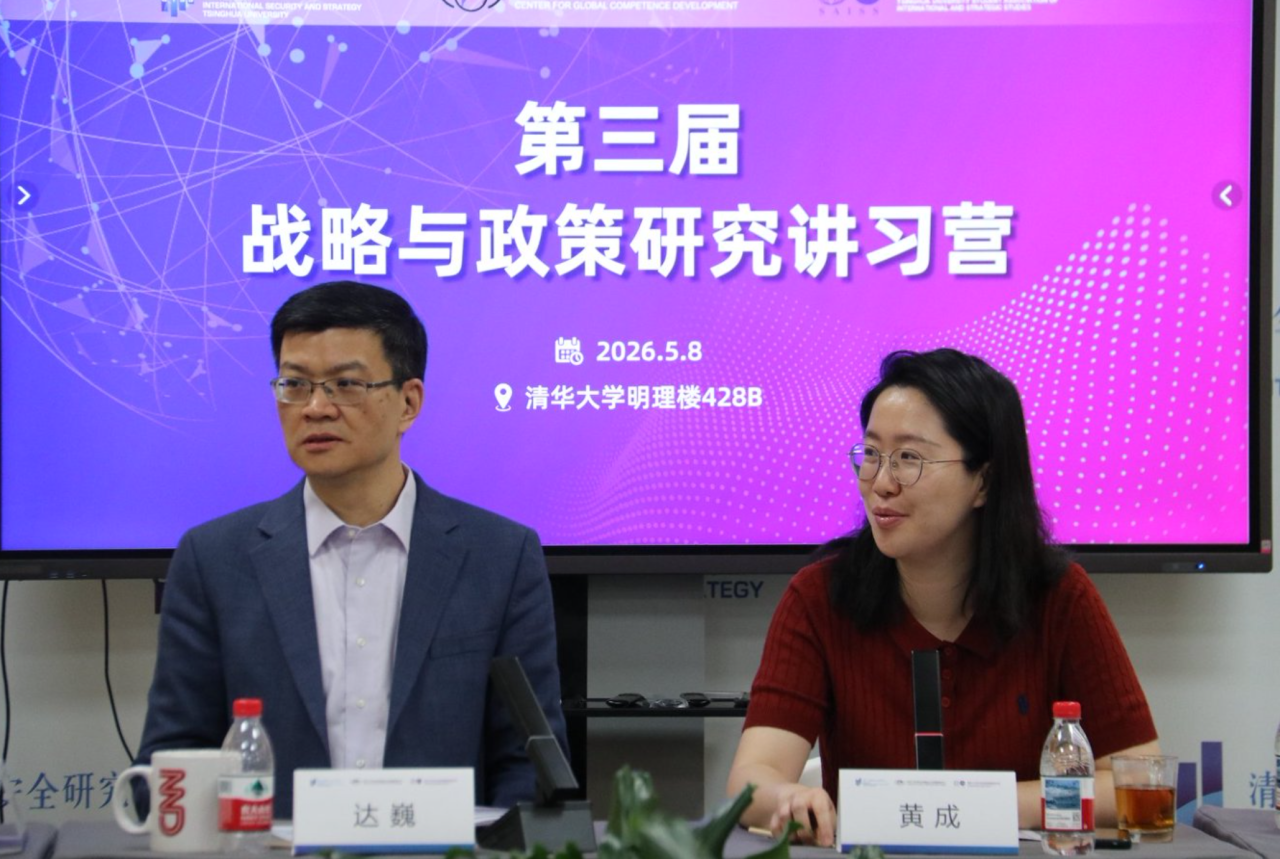
The opening ceremony was moderated by Da Wei, Director of CISS and Professor in the Department of International Relations at Tsinghua University, together with Huang Cheng, Director of CGCD. Da Wei welcomed the participants and noted that the seminar was designed to provide methodological guidance for strategic and policy research. Huang Cheng emphasized the importance of global competence for students’ overall development and shared insights on international observation and strategic thinking through practical examples. Participants from different universities then introduced themselves, demonstrating strong interests in topics such as international relations, sustainable development, and global governance.
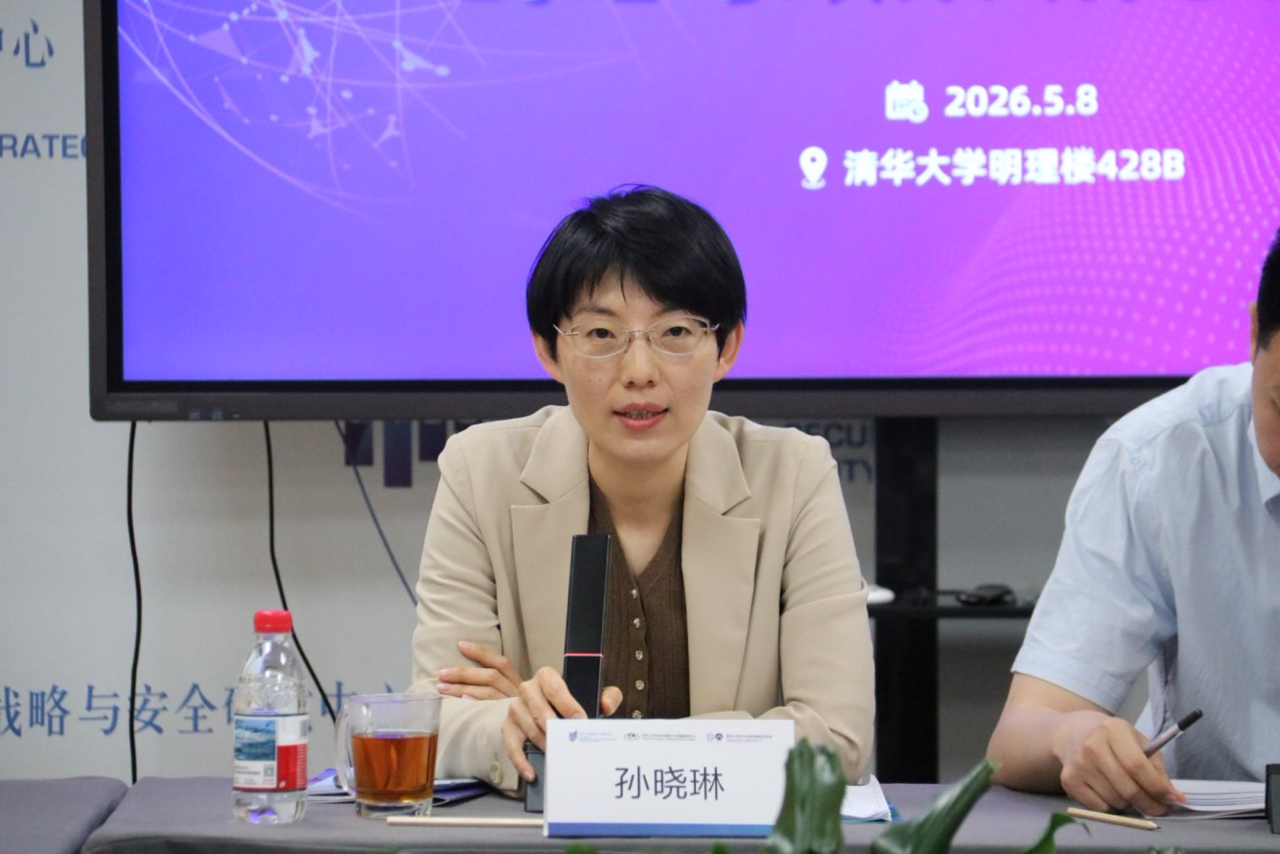
Sun Xiaolin, Counselor and Director of the Strategic Research Division at the Ministry of Foreign Affairs of the People's Republic of China’s Department of Policy Planning, delivered a lecture titled “Studying and Understanding Xi Jinping Thought on Diplomacy and the Current International Situation and China’s Diplomatic Work.” She systematically elaborated on the core principles of Xi Jinping Thought on Diplomacy and the profound implications of the “Four Global Initiatives,” while analyzing the restructuring of the international landscape and associated risks and challenges amid “changes unseen in a century.” Drawing on diplomatic practice, she discussed the complexity of China’s bilateral relations with different countries and the importance of strengthening solidarity with the “Global South” and participating deeply in global governance.
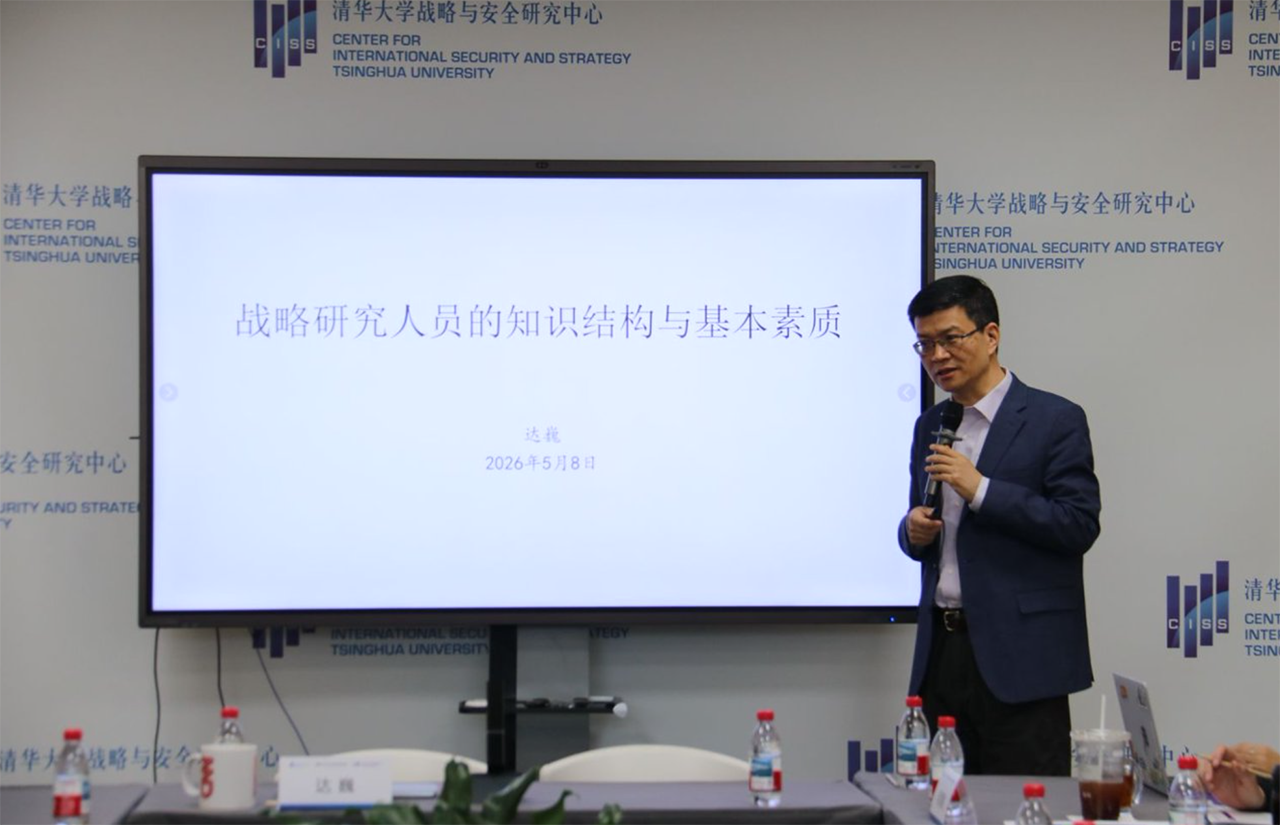
Da Wei also delivered a lecture on “The Knowledge Structure and Research Capacities Required for Strategic Researchers.” He argued that excellent strategic research requires a deep integration of political judgment, scientific evidence, and intuitive insight. He encouraged young scholars to cultivate “intellectual empathy” and follow the principle of “specializing in one field, being proficient in a second, and broadly understanding a third.” He further encouraged participants to adopt a long-term perspective, strengthen their professional foundations through rigorous foreign-language reading and writing training, and maintain perseverance in long-term academic development.
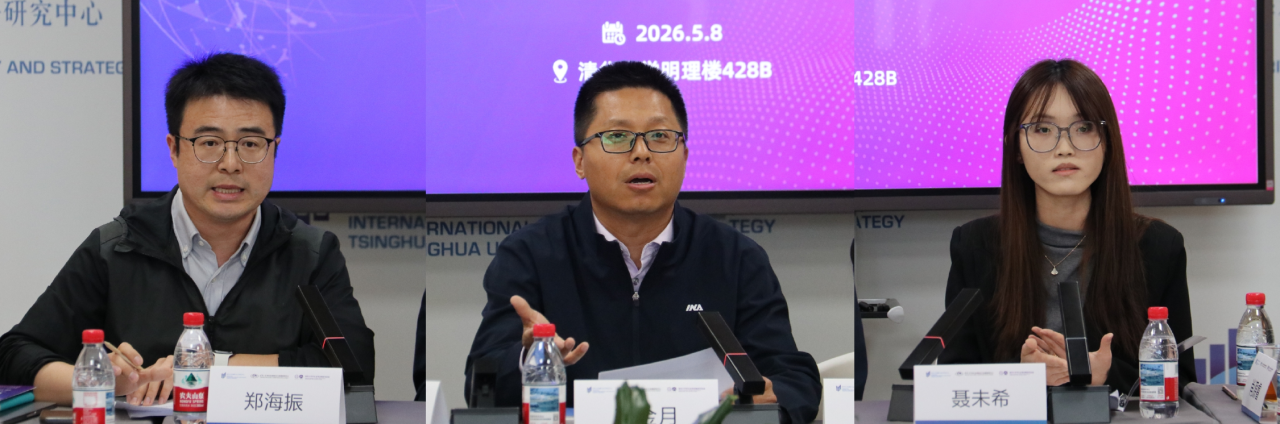
During the lunch exchange session, Guo Jinyue, Zheng Haizhen, and Nie Weixi from the China Institute of International Studies engaged in extensive discussions with participants on the competencies required for policy research and possible career paths.
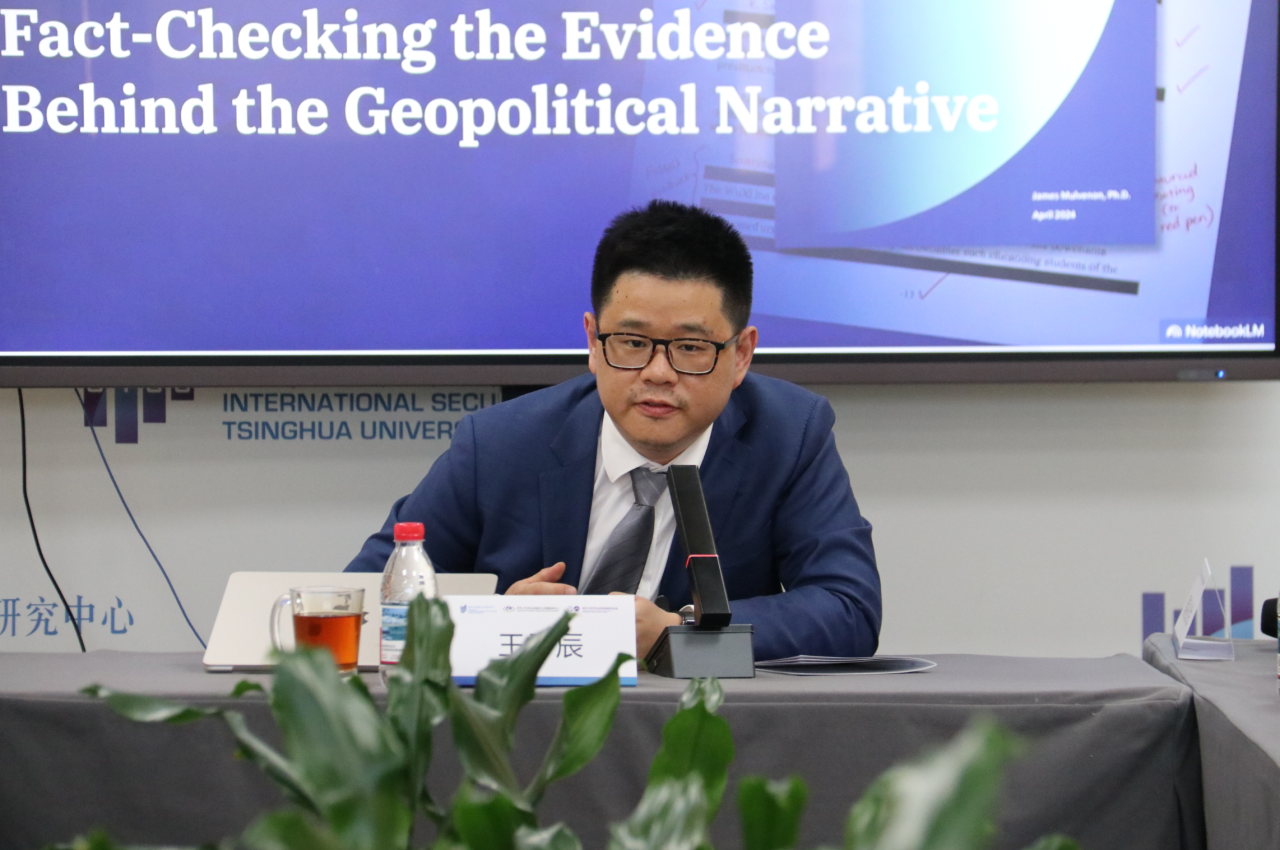
Wang Zichen, Deputy Secretary-General of the Center for China and Globalization and Editor-in-Chief of “Pekingnology,” delivered a presentation on “China’s Narrative and International Discourse Power: Strategic Logic and Practical Approaches.” Using a misleading U.S. report targeting the Chinese pharmaceutical company WuXi AppTec as a case study, he analyzed common methods used by some U.S. actors to discredit Chinese enterprises. He guided participants through “fact-checking at the foundational level” to identify flaws in the report and encouraged young scholars engaged in international communication to uphold independent research, logical reasoning, and precision in conceptual framing in order to build persuasive narratives about China.
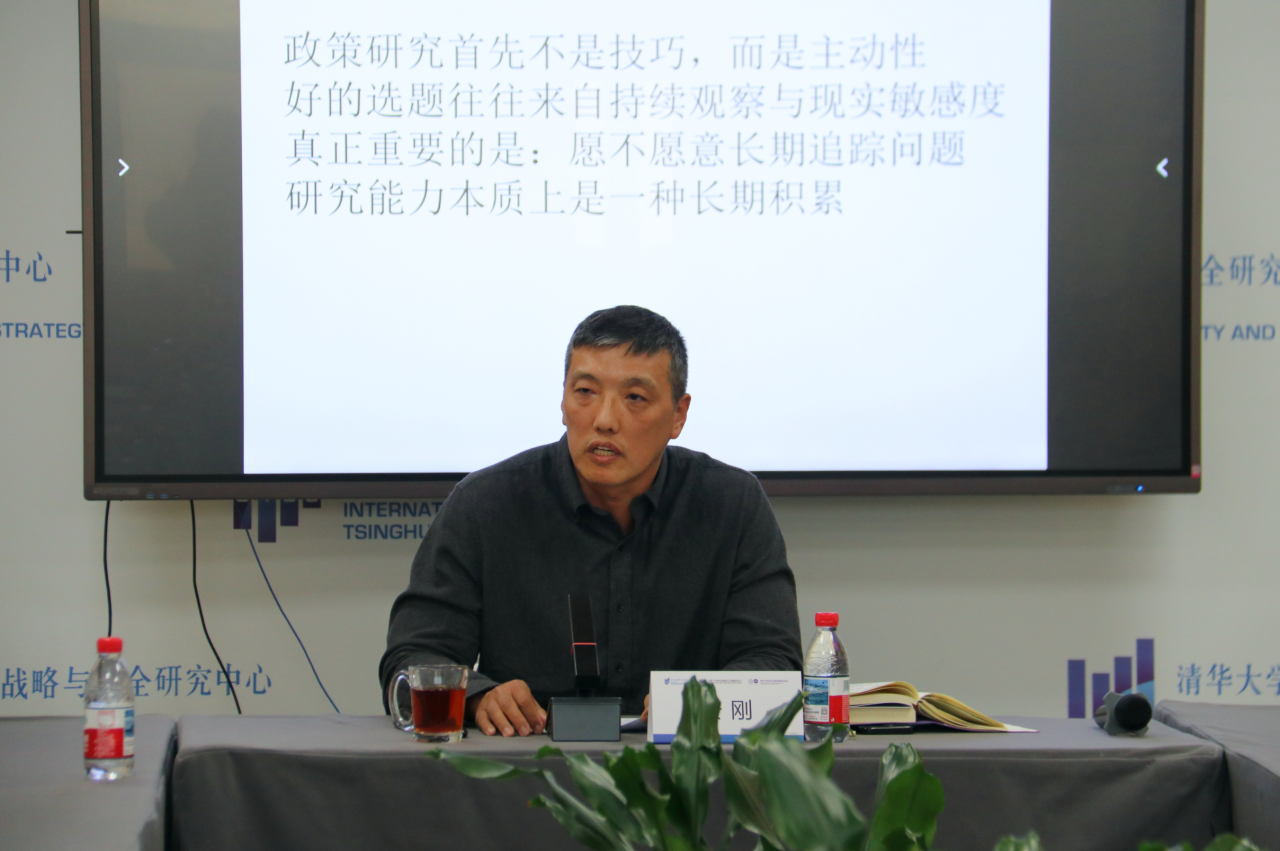
An Gang, Non-resident Fellow, CISS, Tsinghua University, and Senior Editor for China’s World Affairs Magazine, delivered a lecture titled “Writing Methods for Policy Research.” He systematically explained the functions and positioning of policy-oriented writing, emphasizing that its core purpose is to distill policy recommendations with practical relevance within a concise format. He elaborated on a four-level writing framework of “facts, causes, implications, and policy recommendations,” while sharing strategies for addressing common issues such as unclear main arguments and excessive accumulation of materials. He stressed that policy writing requires continuous practice to improve one’s ability to transform information into useful policy references.
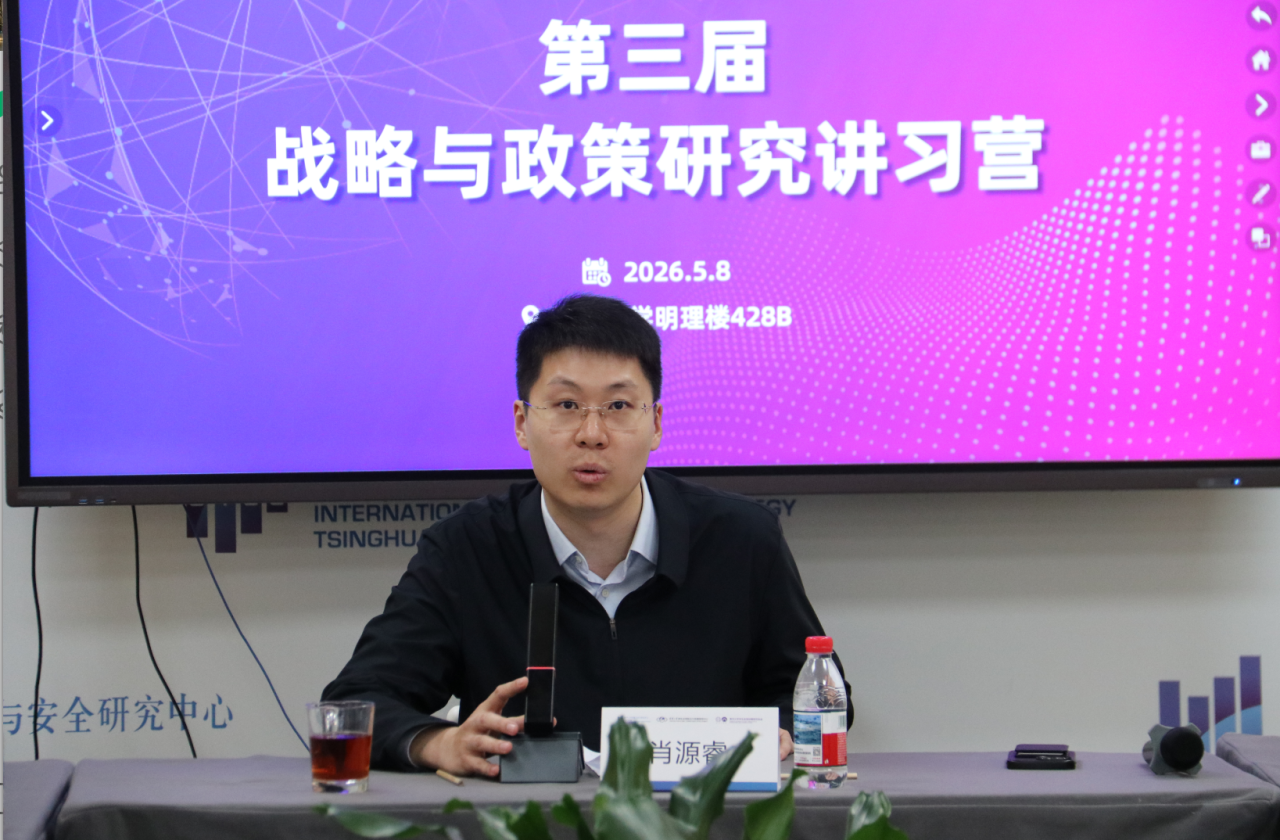
At the closing ceremony, Xiao Yuanrui, Lecturer at CGCD, delivered concluding remarks. He noted that strategic and policy research requires balancing both the “fast and slow” rhythms of work and the “specialized and broad” dimensions of perspective, while always maintaining a correct political orientation. He encouraged participants to seize the current window of learning opportunity, transform theoretical knowledge into practical policy analysis capabilities, and continuously strengthen both professional sensitivity and political composure in their future academic and professional endeavors.