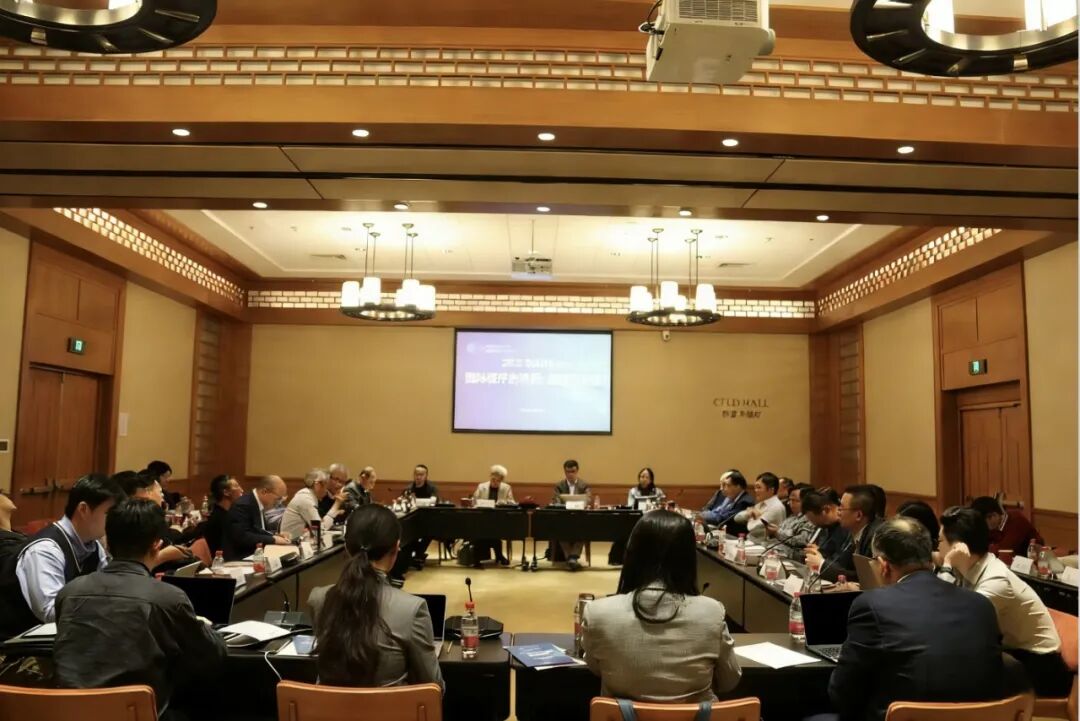
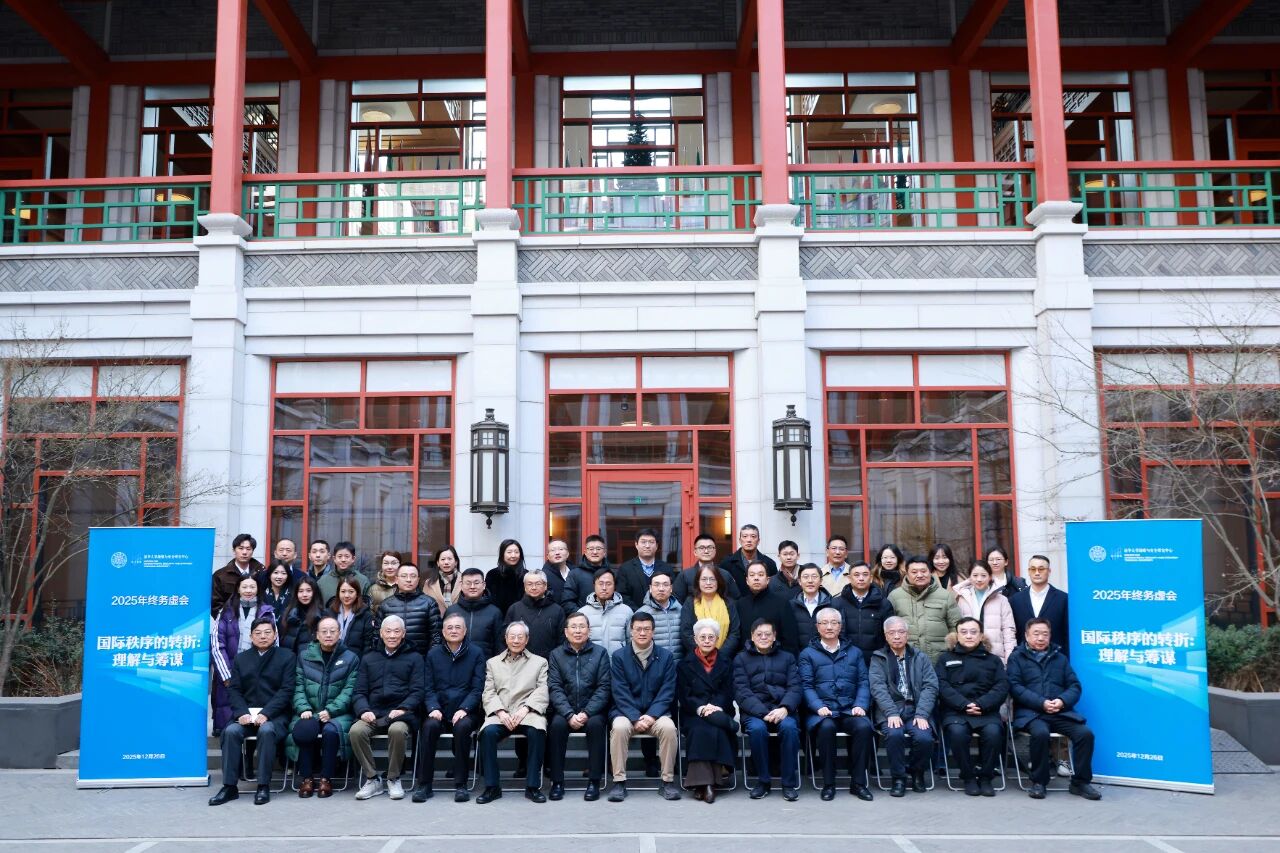
On December 26, 2025, Center for International Security and Strategy (CISS) convened its 2025 Year-End Seminar. More than 40 scholars and experts including members of the Center’s Academic Committee, invited fellows, and research team participated in the meeting. Under the theme “The Turning Point of International Order: Understanding and Planning”, the discussions focused on four major topics: the international order — transitions between old and new structures and emerging trends; China-U.S. relations — short-term stabilization and long-term strategic stalemate; hotspots and major-power relations — evolution and realignment; and China and its neighborhood — opportunities and challenges. During the luncheon session, Wang Zhenmin, Academic Member of CISS, Professor of School of Laws of Tsinghua University delivered a keynote address on the Hong Kong issue in the context of China-U.S. strategic competition.
Participants broadly agreed that 2025 marked a significant turning point in the international order, accompanied by profound changes in the global strategic landscape. The return of Trump has exerted a major shock on the international system and U.S. national security strategy. Governance in areas such as technology, finance, security, and global challenges is becoming increasingly fragmented, raising the risk of functional erosion in global governance mechanisms. The current international system is characterized by a reconfiguration of power structures, the weakening of shared value frameworks, and the growing prominence of rule-making demands from the Global South.
Looking ahead to 2026, the emerging direction and configuration of the international order may further consolidate and deepen. Localized conflicts are likely to become protracted, while China-U.S. relations will face both new opportunities and renewed challenges. Participants suggested that, amid the dual pressures of order reconstruction and geopolitical competition, China should seize structural opportunities. Centered on the four global initiatives including security, development, civilization, and governance, China should articulate clearly to the international community its vision and proposals for a new order and new global configuration, strengthen its capacity for institutional shaping and strategic resilience, and contribute greater certainty and constructive momentum to world peace and sustainable development.