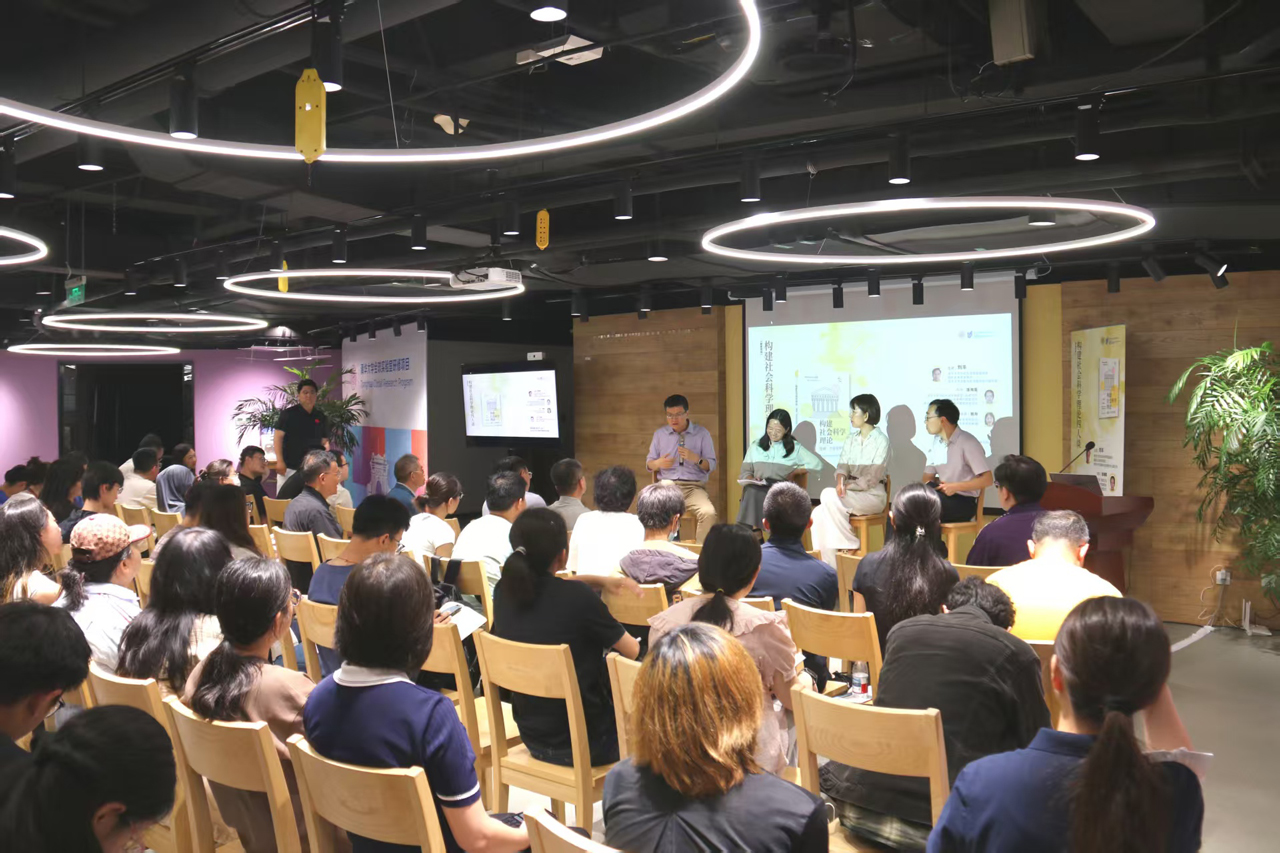
On June 17, 2026, the Center for International Security and Strategy (CISS) at Tsinghua University hosted a new session of its Conversation with the Leading Minds series. The event was moderated by Professor Da Wei, Director of CISS and Professor in the Department of International Relations. Professor Liu Feng, Deputy Director of CISS and Professor in the Department of International Relations, delivered the keynote address. Professor Wei Ling of the School of International Relations at the University of International Business and Economics and Professor Qi Haixia of Tsinghua University's Department of International Relations joined the discussion as commentators. Together, they engaged in an in-depth academic dialogue on topics including theoretical thinking, original theory building, the development of indigenous knowledge systems in the social sciences, and the impact of artificial intelligence on academic research.
In his keynote address, Professor Liu introduced the motivation behind his newly published book, Building Social Science Theory: Thinking, Methods, and Writing. He emphasized the central role of theory in the production of social science knowledge and, drawing on influential international relations theorists and major schools of thought, illustrated the significance of theoretical inquiry and its implications for foreign policy practice.
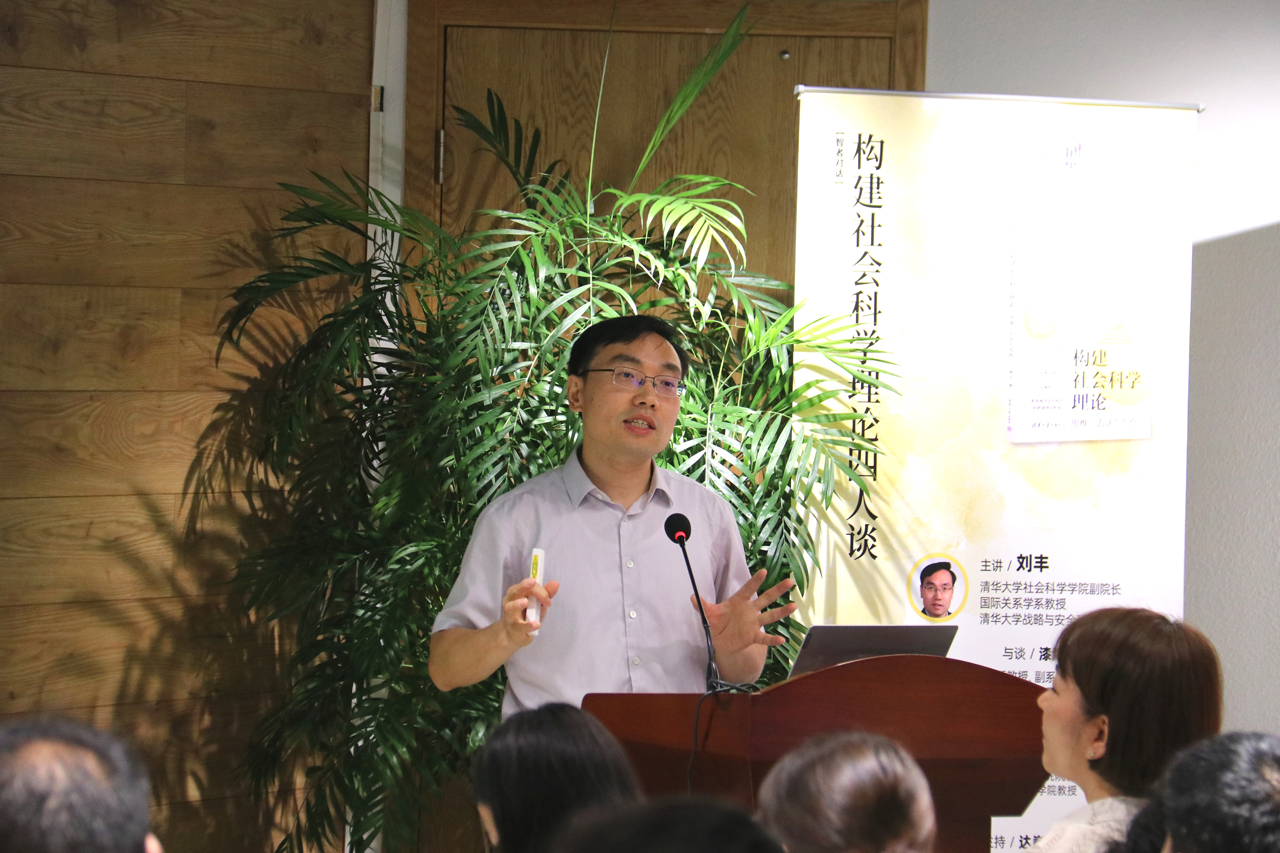
Professor Liu then identified six practical tools for theoretical thinking—simplification, conceptualization, generalization, comparison, causality, and critique—and explained the logic and application of each through interdisciplinary examples. Addressing one of the most common challenges facing graduate students—developing meaningful research questions—he outlined four major approaches: observing empirical variation, identifying gaps between theory and reality, examining disagreements among competing theoretical perspectives, and uncovering biases or omissions in existing theories. He also stressed the importance of broadening temporal and spatial perspectives to avoid an excessive focus on immediate policy issues. Professor Liu further explored the process of generating original theoretical propositions, arguing that theories are composed of core variables and causal mechanisms, and that theoretical innovation depends on constructing new causal explanations through different configurations of variables.
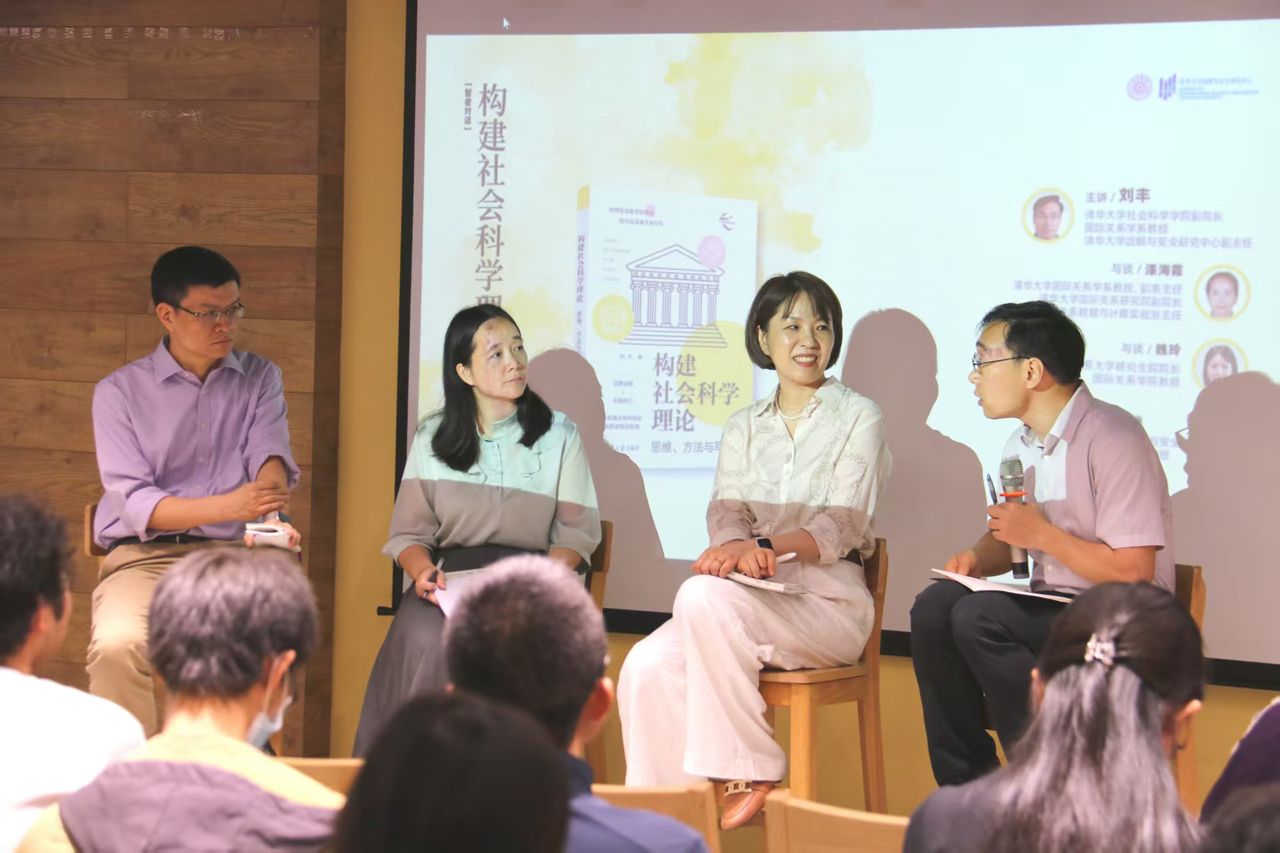
During the discussion session, the two commentators expanded on the central themes of Professor Liu's lecture and his new publication. Drawing on her research on East Asian regional governance and the development of indigenous international relations theory, Professor Wei Ling explored possible approaches to theorizing traditional Chinese concepts. Professor Qi Haixia discussed interdisciplinary collaboration and examined the opportunities and limitations of artificial intelligence in advancing theoretical research. Reflecting on the theorization of China's diplomatic practice, Professor Da Wei emphasized the importance of strengthening China's capacity for theoretical innovation and enhancing its ability to articulate and communicate original theoretical perspectives.
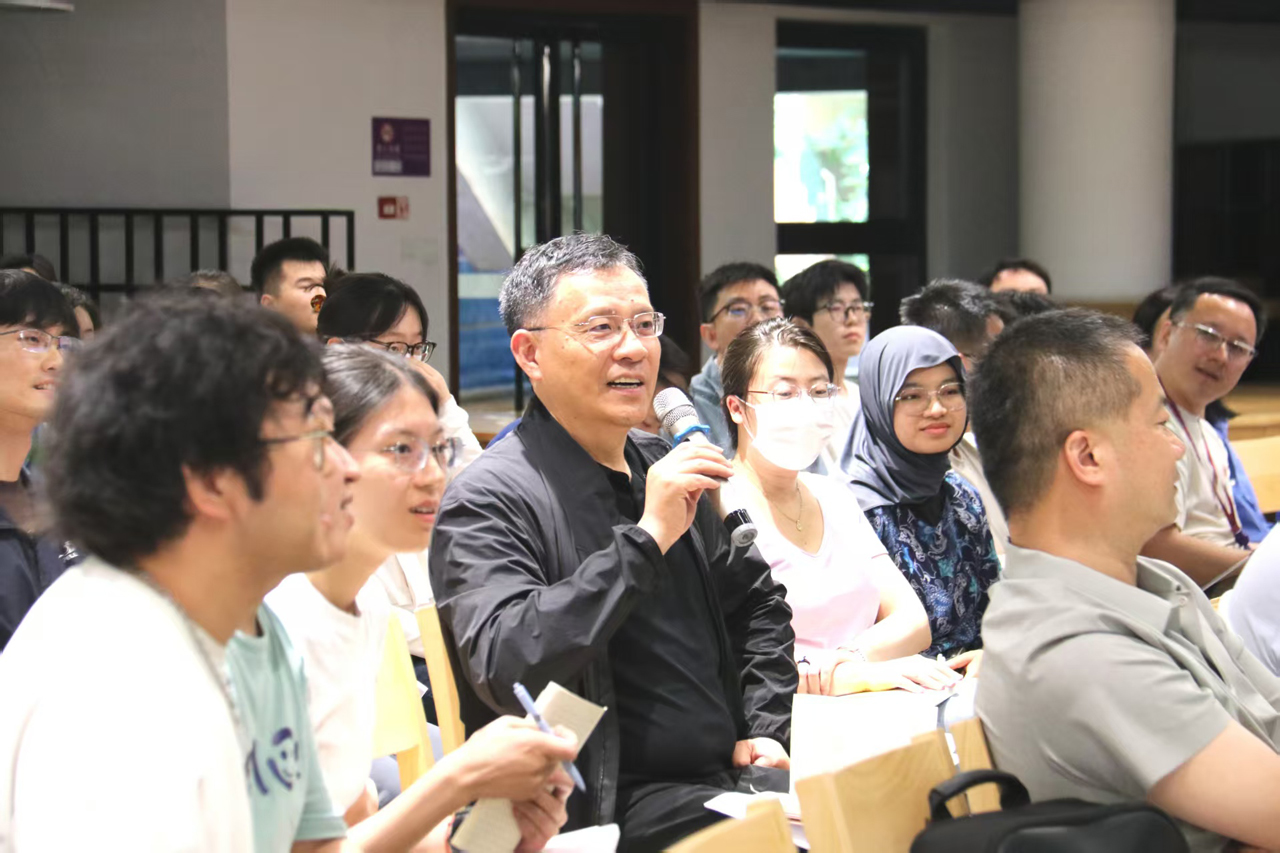
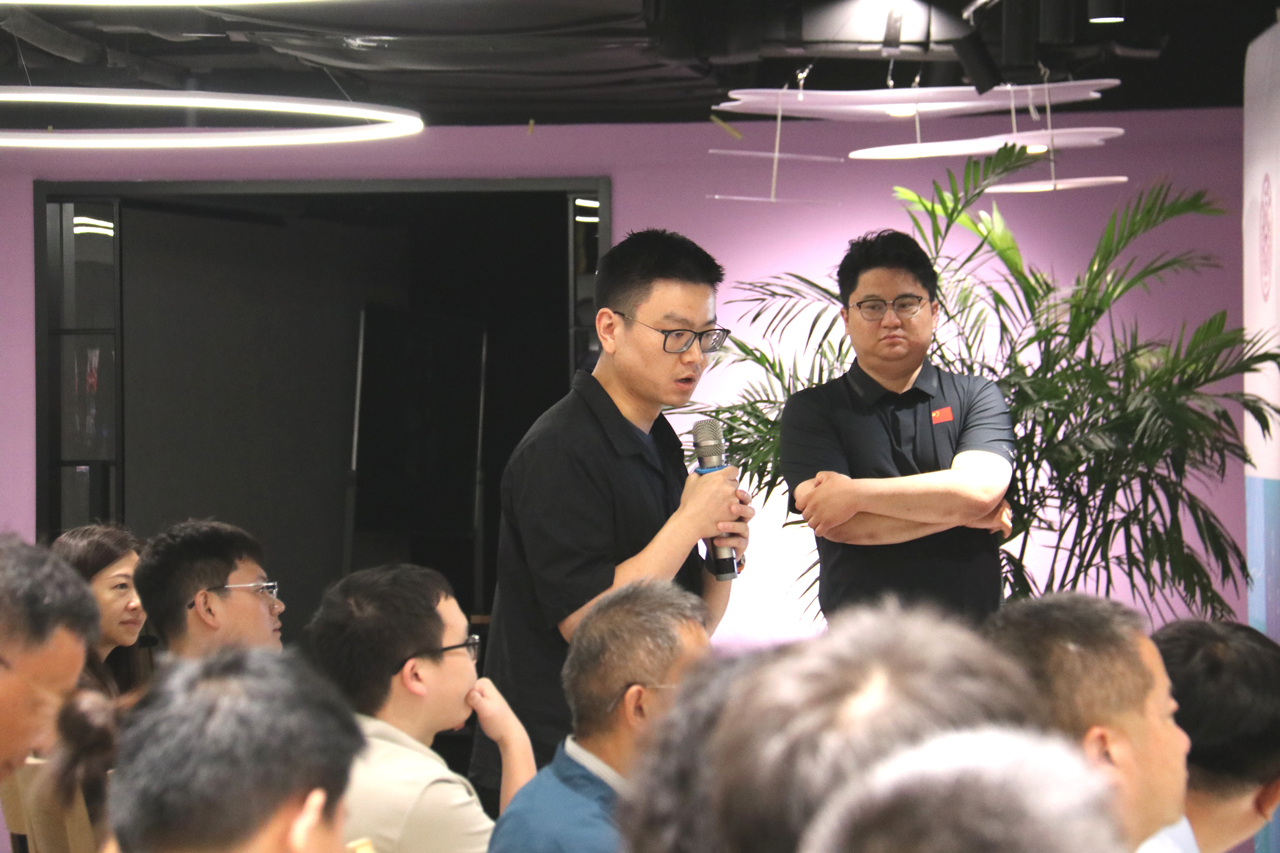
The Q&A session featured lively exchanges between the audience and the speakers on a wide range of issues, including balancing theoretical and policy research, criteria for case selection, the role of empirical evidence in scholarly inquiry, the opportunities and limitations of artificial intelligence in academic research, and ways to foster a healthy academic environment that encourages constructive criticism and intellectual exploration.
In his concluding remarks, Professor Da Wei observed that building social science theory is both an urgent priority and a long-term undertaking. He emphasized that Chinese social scientists should continue to develop original theories rooted in the practice of Chinese modernization while engaging in meaningful dialogue with the international academic community. He added that CISS will continue to support research in this area and promote academic exchange and the dissemination of scholarly achievements.