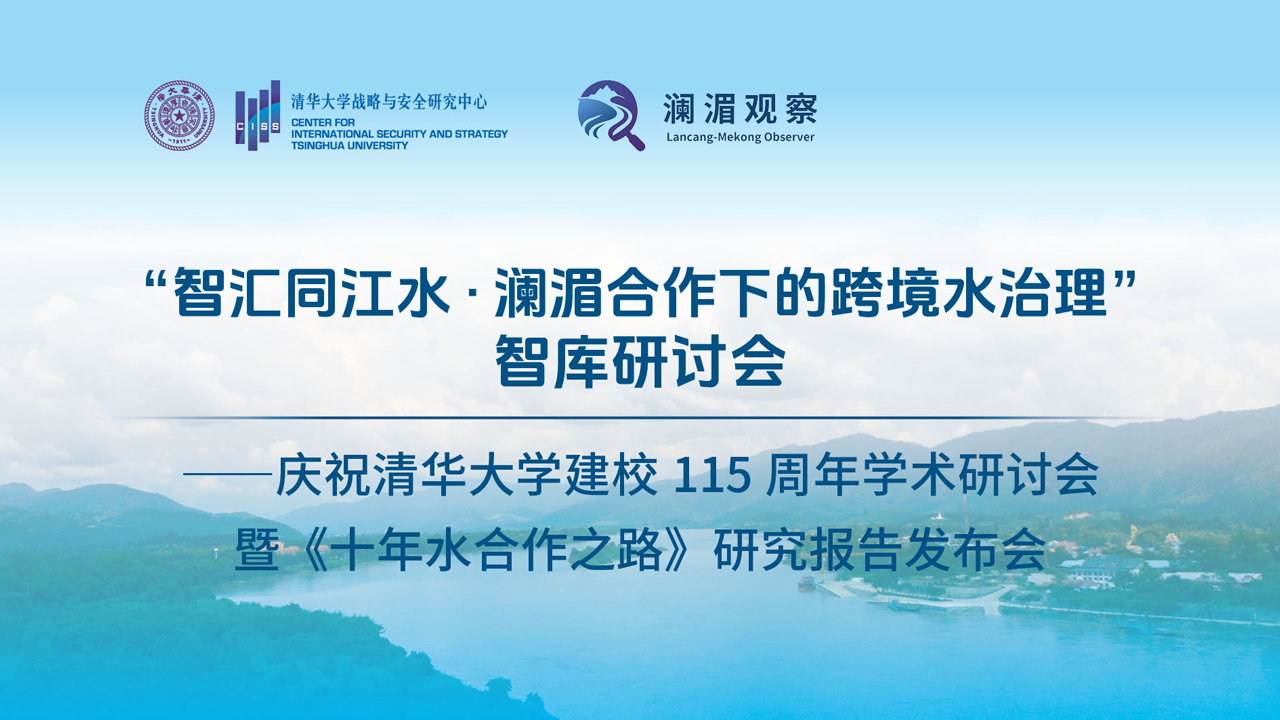
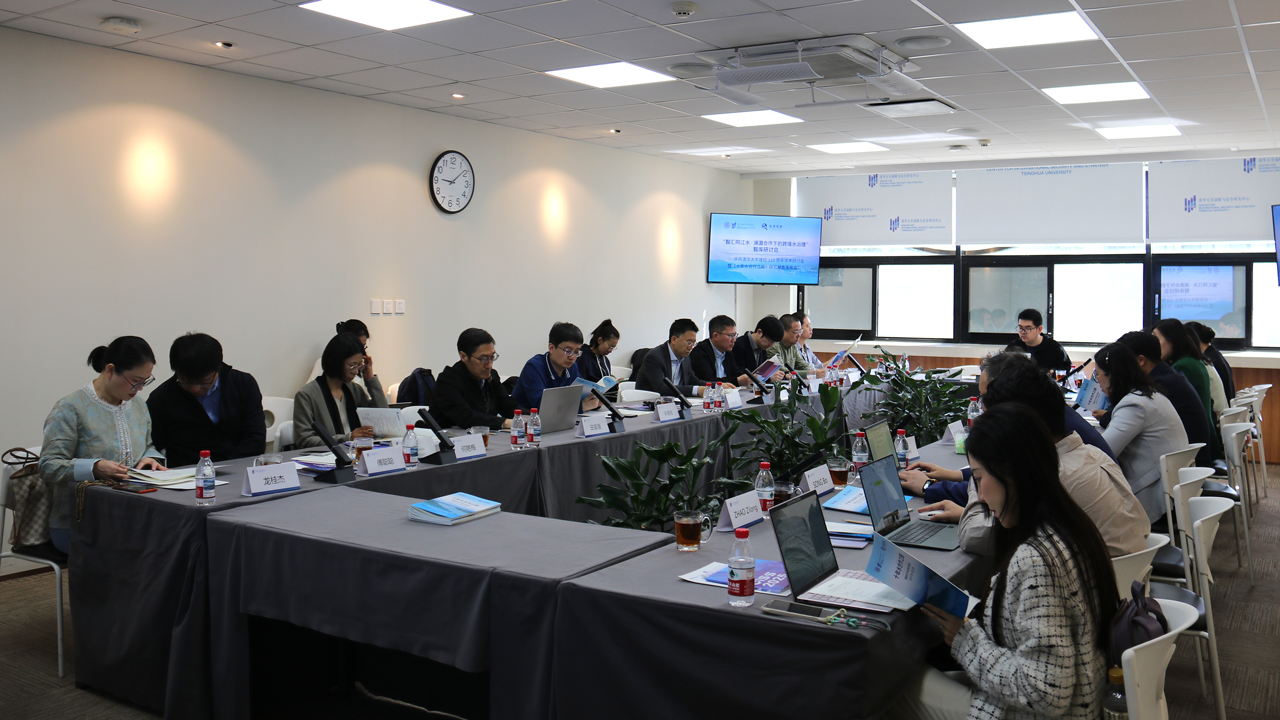
On April 20, 2026, the think tank seminar titled “Cross-Border Water Governance under Lancang–Mekong Cooperation”, held in celebration of the 115th anniversary of Tsinghua University and alongside the launch of the research report “A Decade of Water Cooperation”, was successfully convened at Room 428B, Mingli Building. The event was organized by the Center for International Security and Strategy (CISS).
The seminar focused on cross-border water cooperation, think tank development, and collaboration in the new phase of Lancang–Mekong Cooperation (LMC 2.0). Over twenty scholars from universities and think tanks across China participated, engaging in discussions on water governance under the LMC framework from multiple perspectives, including water engineering, environmental protection, water rights, water cooperation, and water-related economic and social development. The seminar reviewed the past decade of LMC cooperation and explored future directions for LMC 2.0.
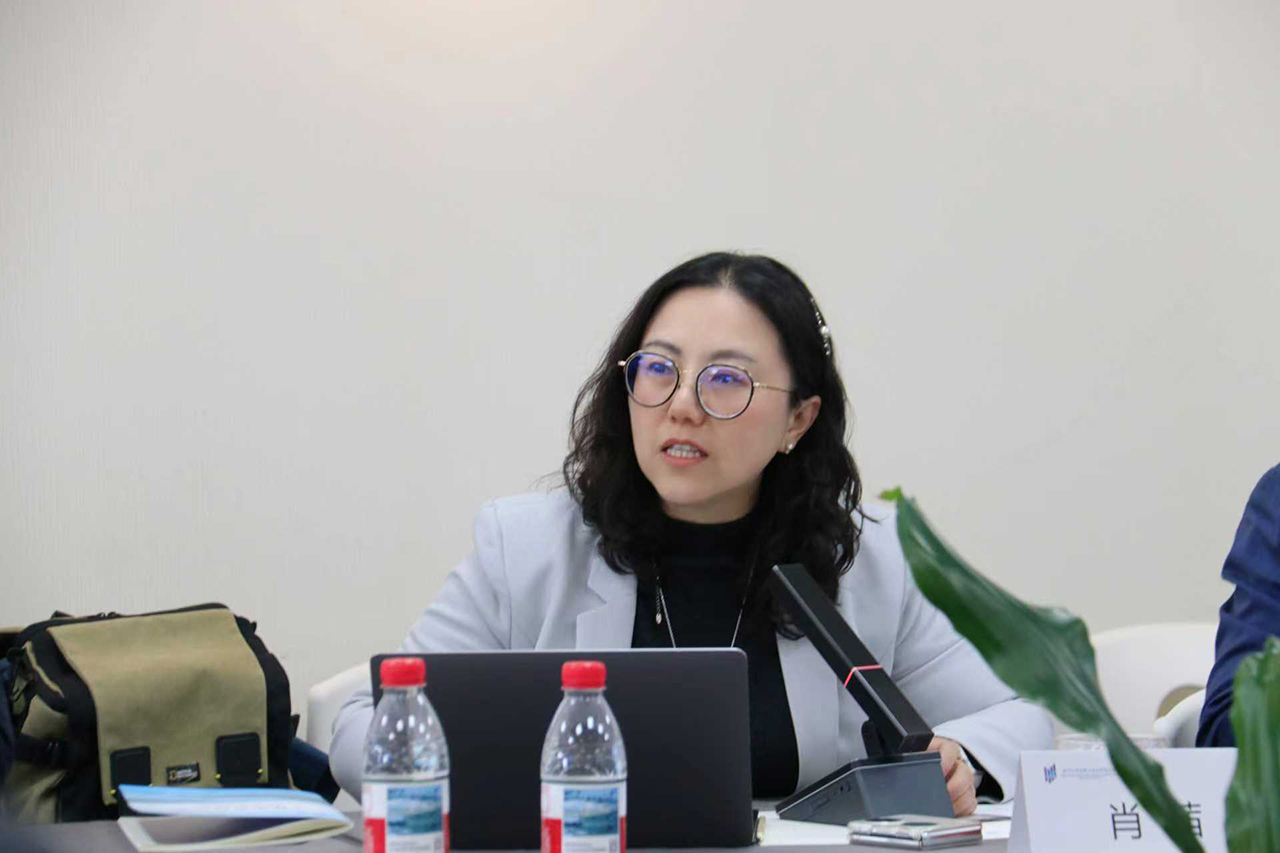
At the opening session, Xiao Qian, Deputy Director of CISS, delivered welcome remarks. She noted that this year marks both the 115th anniversary of Tsinghua University and the beginning of a new decade for Lancang–Mekong Cooperation. Water cooperation, she emphasized, is a key pillar in building a regional community with a shared future. The seminar aims not only to systematically review the achievements of the past decade but also to propose new directions for future collaborative governance. She also introduced the progress and objectives of the “Lancang–Mekong Observatory” platform.
Song Bo, Assistant Research Fellow at CISS and lead author of the report, presented “A Decade of Water Cooperation.” He outlined the background, positioning, and overall framework of the report, which systematically reviews water cooperation practices and achievements under the LMC framework from 2015 to 2025. The report highlights new opportunities and challenges for regional water governance as LMC enters its 2.0 phase. It consists of five sub-reports covering navigation, hydropower and green energy, water-related agriculture, water environmental protection, and future prospects. The report aims to provide evidence-based support for policymaking, academic research, and international dialogue, while enhancing the global narrative of Lancang–Mekong water cooperation.
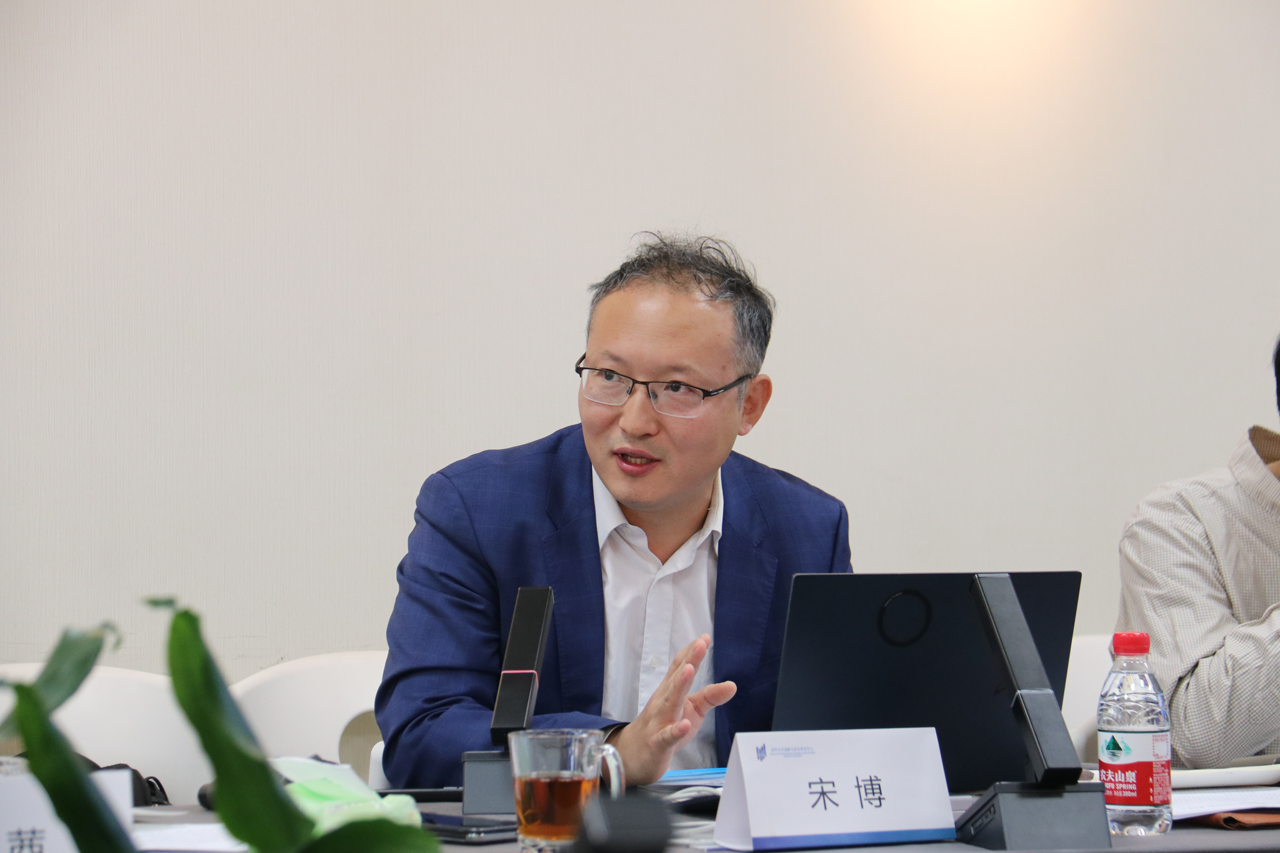
During the discussion sessions, participants engaged in in-depth exchanges on two key themes: cross-border water cooperation under LMC 2.0 and think tank development and collaboration. The sessions were moderated by Hu Bo, CISS Senior Fellow and Director of the Center for Maritime Strategy Studies at Peking University, and Wen Jing, CISS Postdoctoral Fellow and Director of Media and Communications for the China Forum.
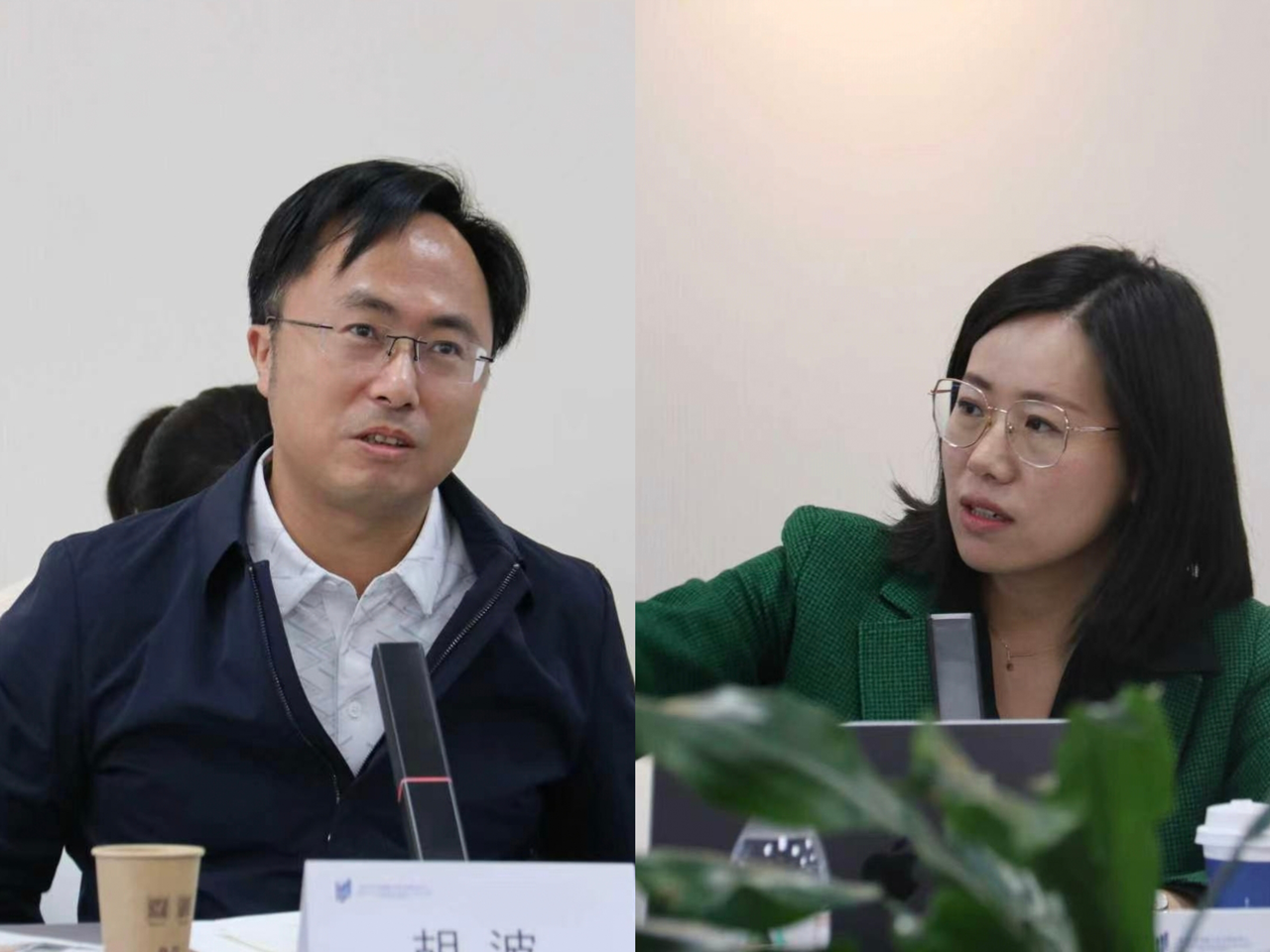
In the first session on cross-border water cooperation, experts offered practical recommendations from multidisciplinary perspectives, including basin ecological protection, institutional coordination, dispute resolution on water rights, navigation standardization, application of international water law, and the use of digital technologies in water governance. In the second session on think tank development, discussions focused on regional policy responses, field research, international communication, data development, think tank coordination, talent cultivation, and public diplomacy products.
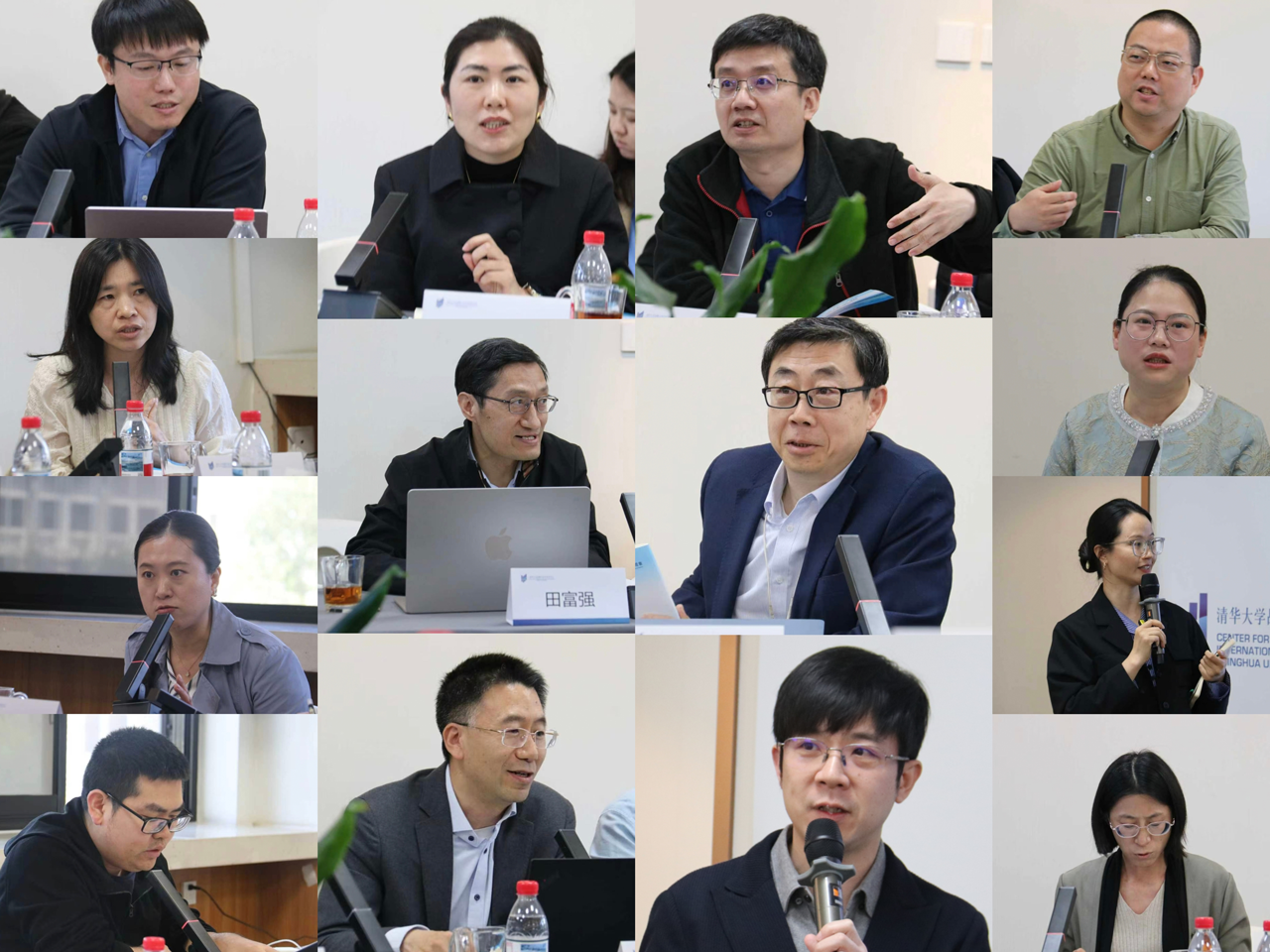
In the media Q&A session, journalists raised questions on topics such as agricultural cooperation impacts, project evaluation, participation in international water conventions, and major power dynamics in the region. Experts responded by emphasizing the need to strengthen evaluation mechanisms and case databases, and to advance high-quality, pragmatic water cooperation in the Lancang–Mekong region.
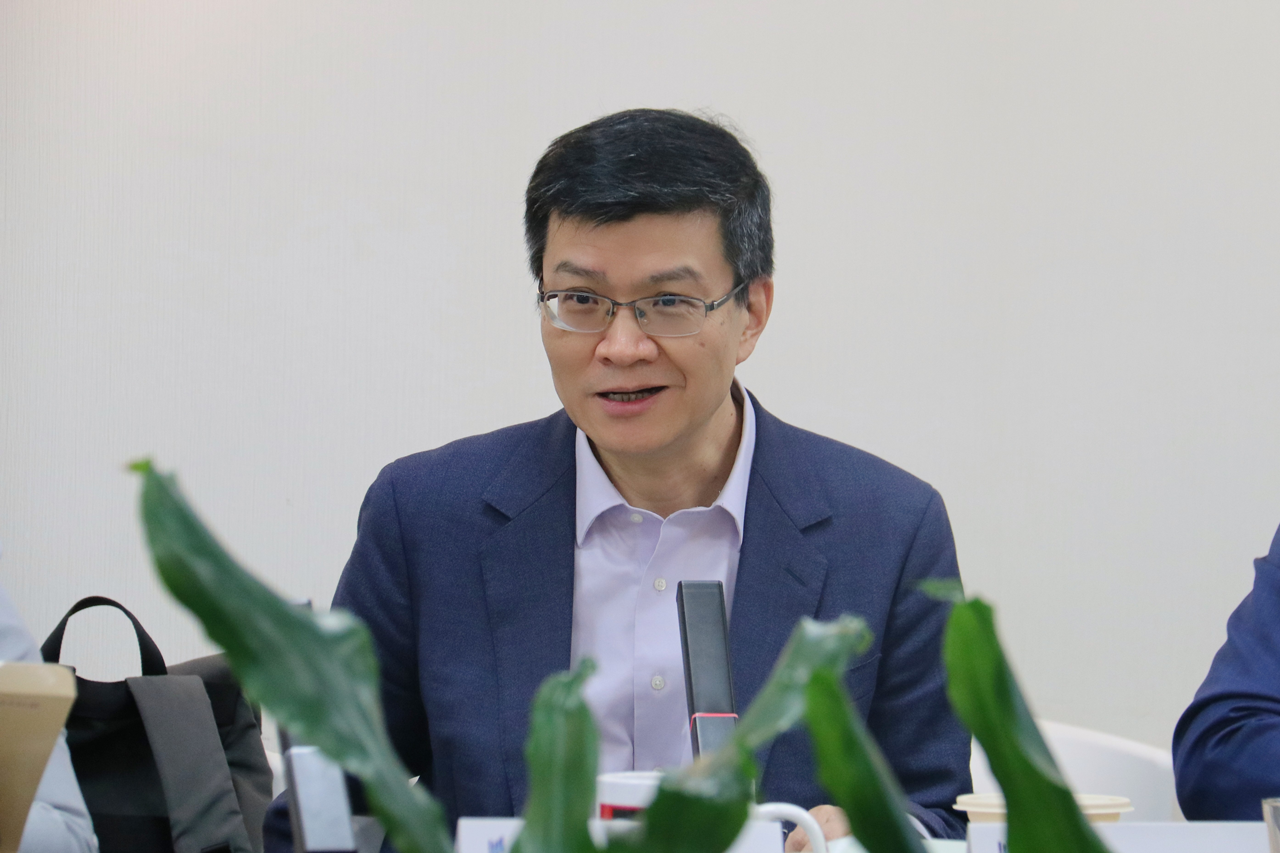
In his concluding remarks, Da Wei, Director of CISS, emphasized that water cooperation is a core link binding the shared future of Lancang–Mekong countries. He noted that CISS will continue leveraging Tsinghua’s interdisciplinary strengths and global academic network to deepen research on water cooperation and further develop the “Lancang–Mekong Observatory.” Moving forward, CISS will work closely with experts across sectors to promote interdisciplinary, cross-institutional, and cross-border collaboration, contributing high-quality think tank outputs to support China’s diplomatic agenda and fostering mutual understanding through research and international communication. These efforts aim to support sustainable development in the Lancang–Mekong region, regional harmony, and the building of a global community with a shared future.
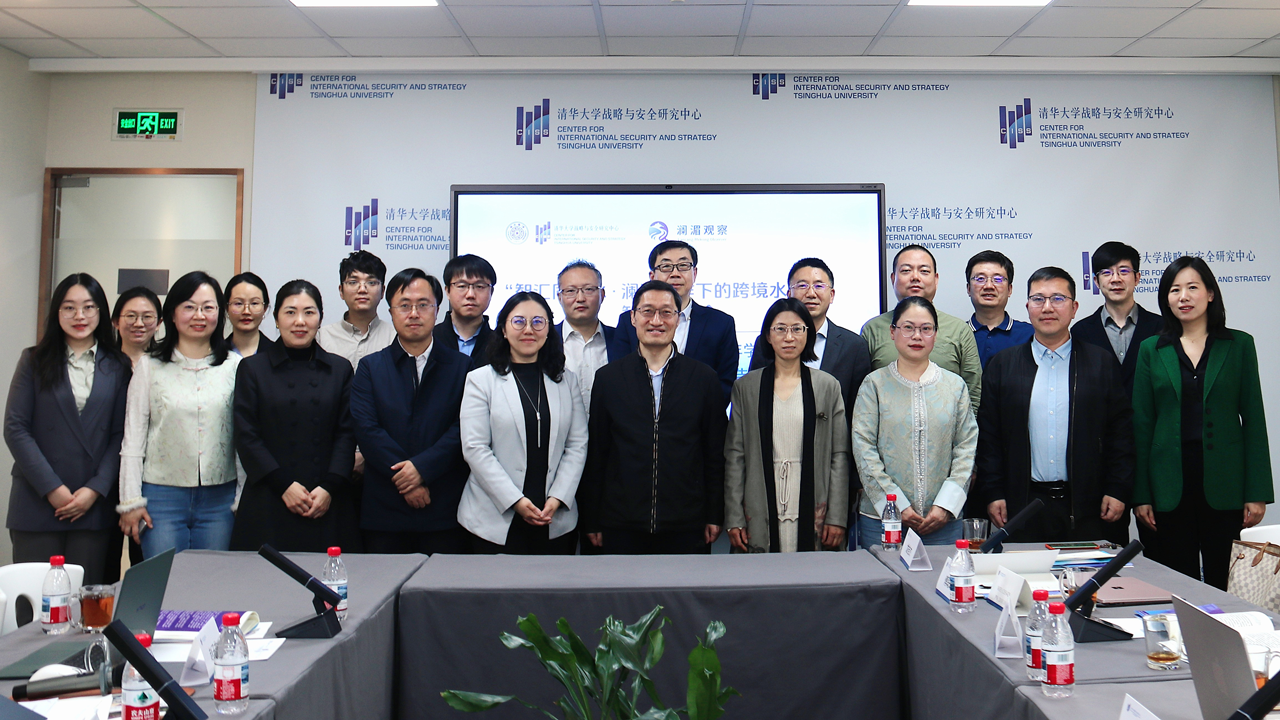
List of Participants
Da Wei, Director, CISS; Professor, Department of International Relations, Tsinghua University
Du Lan, Associate Research Fellow, China Institute of International Studies; Secretary-General, Global Mekong Research Center (China Center)
Fu Congcong, Associate Professor, School of Asian Studies, Beijing Foreign Studies University
He Yanmei, Professor, School of Economic Law, Shanghai University of Political Science and Law; Research Fellow, Development Research Center of the State Council
Hu Bo, Senior Fellow, CISS; Director, Center for Maritime Strategy Studies, Peking University; Research Fellow, School of International Studies
Liu Yang, Lecturer, School of Law (Lawyer School), Guangzhou University
Long Guijie, Associate Professor, Guangxi Institute for Innovation and Development, Guangxi University; Deputy Director, China (Guangxi) Pilot Free Trade Zone Research Institute
Liu Peng, Research Fellow, Institute of International Relations, Yunnan University
Song Bo, Assistant Research Fellow, CISS
Song Qingrun, Professor, School of Asian Studies, Beijing Foreign Studies University
Tian Fuqiang, Tenured Professor, Department of Hydraulic Engineering, Tsinghua University; Director, Center for Transboundary Water and Ecological Security
Wen Jing, Postdoctoral Fellow and Assistant Research Fellow, CISS; Director of Media and Communications, China Forum
Xiao Qian, Deputy Director, CISS; Director of International Cooperation and Exchange Office
Yu Qun, Professor and Deputy Director, Department of Asian and African Languages, National University of Defense Technology; Lead Expert on Southeast Asian Studies
Zhai Kun, Senior Fellow, CISS; Professor, School of International Studies, Peking University
Zhang Li, Associate Research Fellow, Institute of Belt and Road & Global Governance, Fudan University; Deputy Director (seconded)
Zhao Zilong, Postdoctoral Fellow, Department of Hydraulic Engineering, Tsinghua University
Zhou Fangye, Associate Research Fellow, Institute of Asia-Pacific and Global Strategy, Chinese Academy of Social Sciences
Zhou Xiaoxue, Assistant to the Director, National Academy of Transportation Development, Beijing Jiaotong University; Research Fellow, Center for Sustainable Transport Innovation