
On September 28, 2025, the China Forum, organized by the Center for International Security and Strategy (CISS) at Tsinghua University, successfully hosted the "China Forum · China-Russia Dialogue" themed "The Future of China-Russia Relations." The event focused on the comprehensive strategic partnership of coordination between China and Russia in the new era, featuring three sessions: "Equal and Orderly World Multipolarity," "Inclusive and Beneficial Economic Globalization," and "Geopolitics and Information Warfare." Experts and scholars from China and Russia engaged in in-depth exchanges during these sessions.
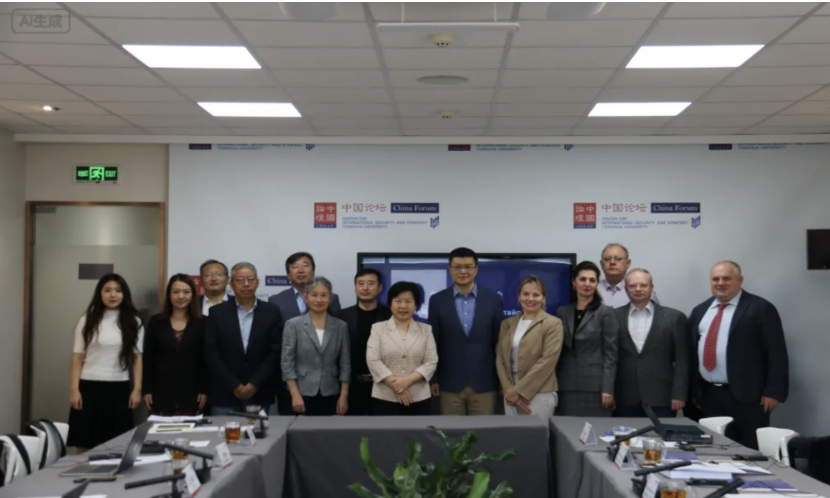
Da Wei, Director of CISS and Vice Chair of China Forum, delivered the opening remarks, extending a warm welcome to the attendees. He emphasized that the world is at a critical turning point, and China and Russia must deepen their strategic partnership to jointly promote world multipolarity and the democratization of international relations.
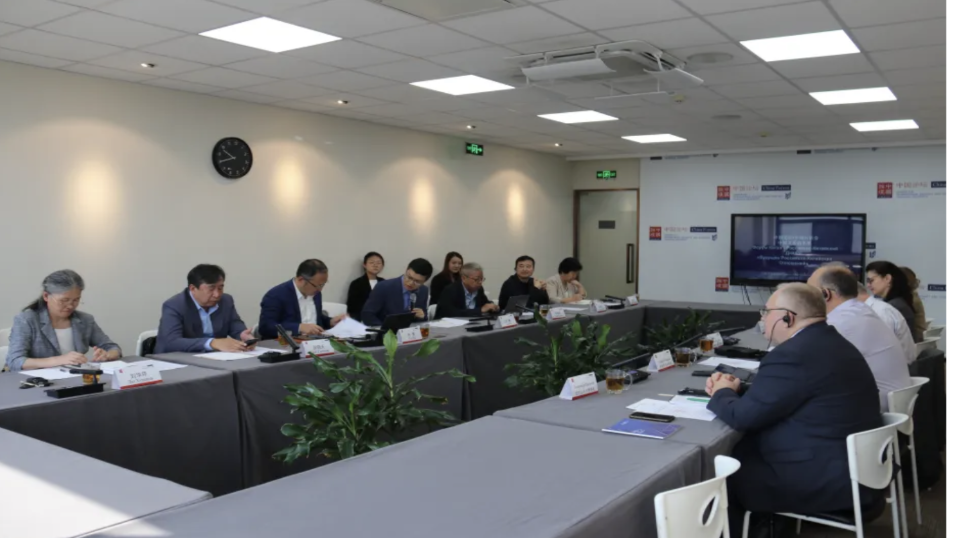
The first two offline sessions were moderated by Song Bo, Fellow at CISS. In the first session on "Equal and Orderly World Multipolarity," experts highlighted the significant roles of China and Russia in advancing world multipolarity, noting that both countries are among the most active forces in shaping a new international order. They emphasized the need to seize historical opportunities, leverage multilateral platforms such as the Shanghai Cooperation Organization and BRICS, and explore broader cooperation at regional and global levels in line with the trend toward multipolarity.
The second session, titled "Inclusive and Beneficial Economic Globalization," reviewed the achievements of China-Russia economic and trade cooperation. Experts discussed the economic characteristics and development paths of both countries, as well as their potential in fields such as technology, agriculture, and tourism. They suggested that amid changes in the global trade landscape, China and Russia should actively explore multi-dimensional cooperation models involving innovation synergy, capital interaction, and talent mobility, while institutionalizing and diversifying trade cooperation.
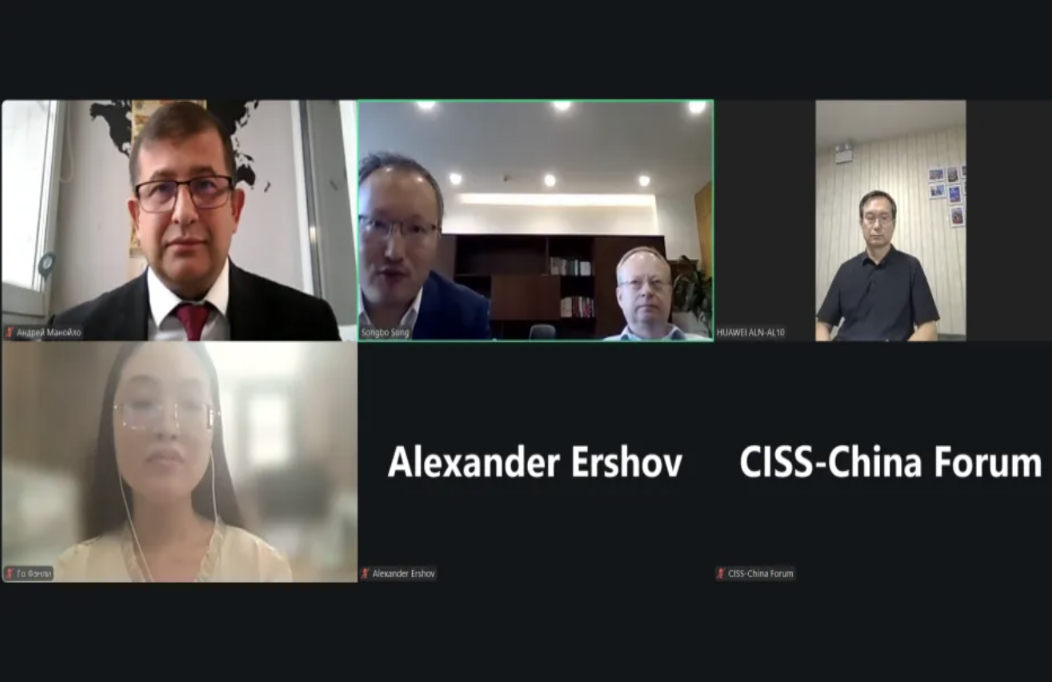
In the afternoon, Chinese and Russian scholars continued the dialogue online for the third session on "Geopolitics and Information Warfare." Experts engaged in in-depth discussions on key issues such as the development of information technology, political polarization worldwide, national information security, and information governance and cooperation.