Conversation with the Leading Minds: Understanding the Modern Middle East through The Damascus Events
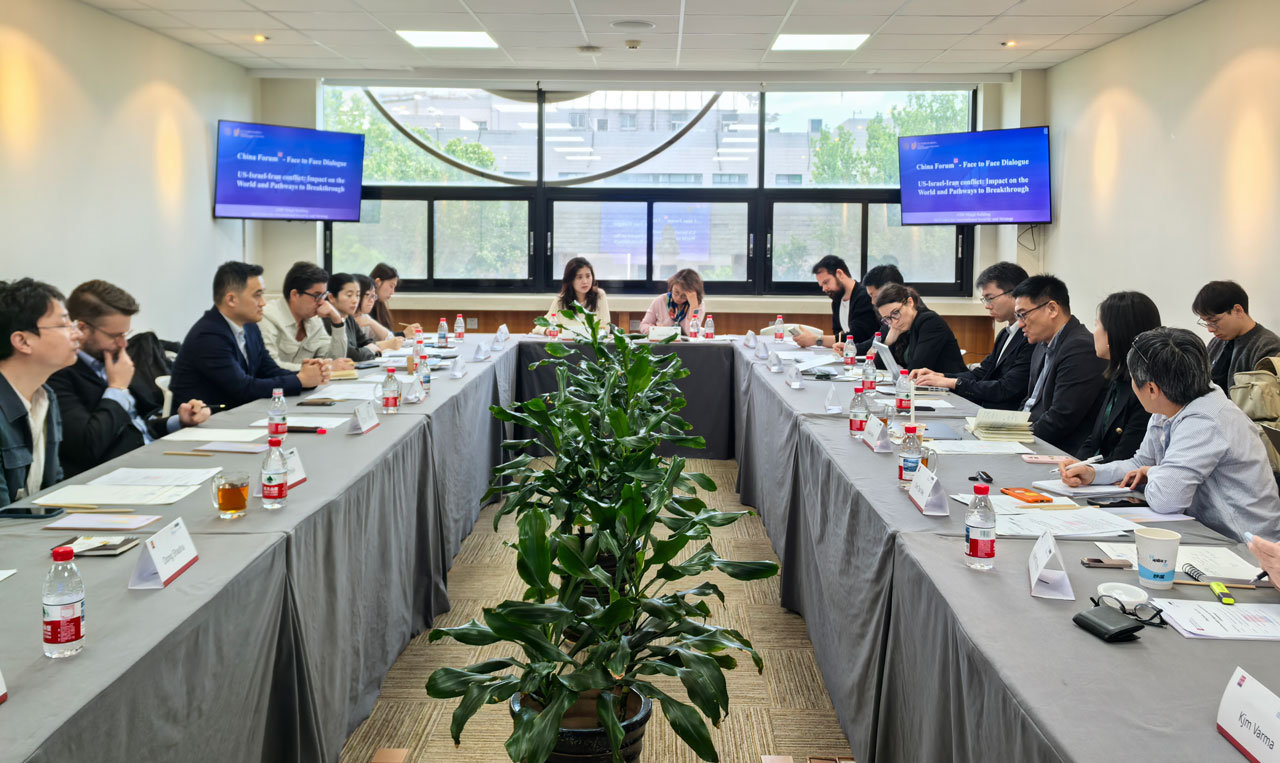
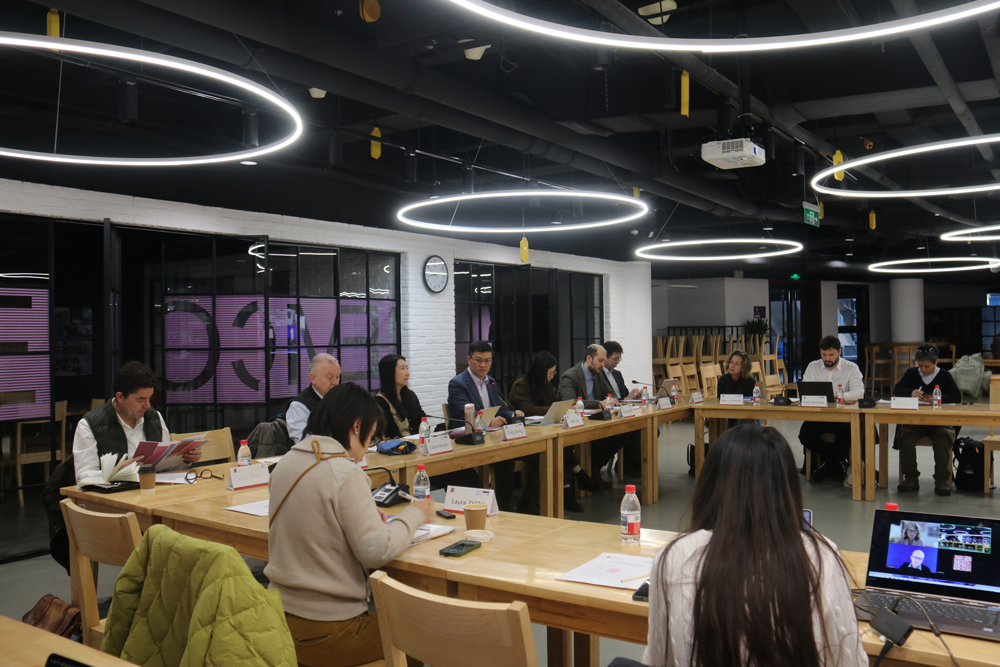
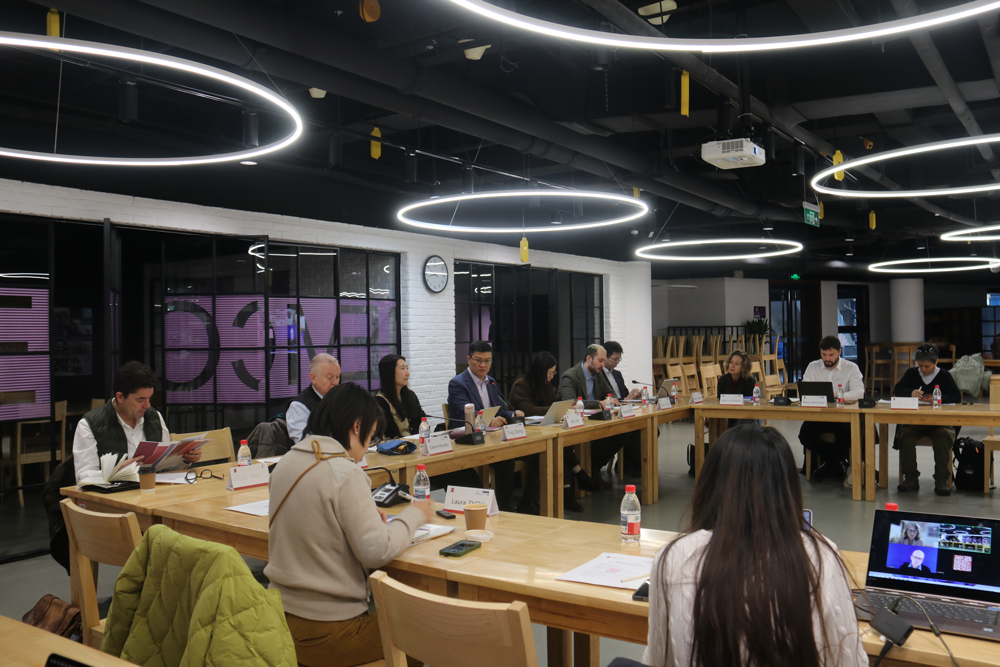
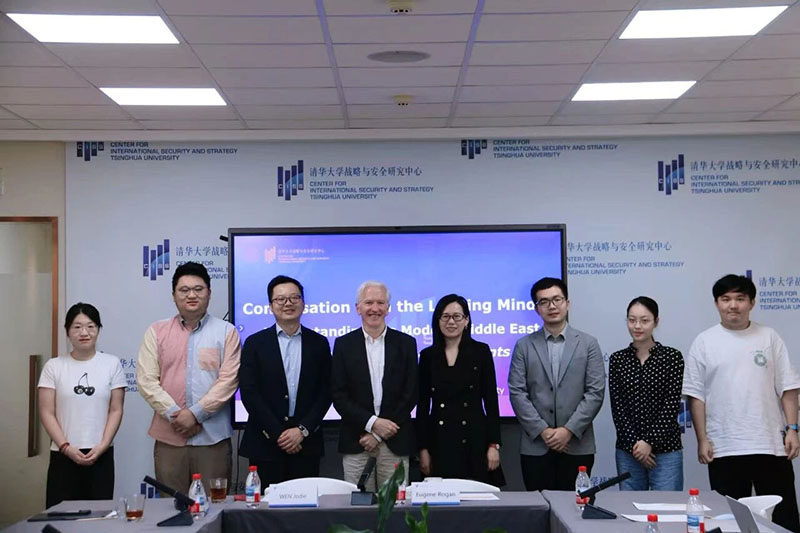
On September 16, 2026, the Center for International Security and Strategy (CISS), Tsinghua University, successfully held the "Conversation with the Leading Minds: Understanding the Modern Middle East through The Damascus Events" seminar. Eugene Rogan, Fellow of the British Academy, Professor of Modern Middle Eastern History at Oxford University, and Director of the Middle East Centre, was invited to deliver a keynote presentation. Wen Jing, Postdoctoral Fellow of CISS, and Director of International Communication for the China Forum, moderated the seminar. She Gangzheng, Tenured Associate Professor at the Department of International Relations, School of Social Sciences, Tsinghua University, and Director of the Center for Overseas Security, along with young students from inside and outside the university, participated in the exchange. The participating guests engaged in discussions on Professor Rogan's new book The Damascus Events: The 1860 Massacre and the Making of the Modern Middle East, the US-Israel-Iran war, the current situation in the Gulf, and changes in the regional order.
Professor Rogan argued that 1860 is an important node for understanding the modern Middle East. In 1856, the Ottoman government promulgated a decree stipulating equality before the law for subjects of different religions, promoting the transition of the political order from religious community governance to a system based on individual rights and citizenship. This reform altered the existing social hierarchy and interest structures, and exacerbated the anxiety of certain groups, becoming an important backdrop to the 1860 Damascus sectarian conflict.
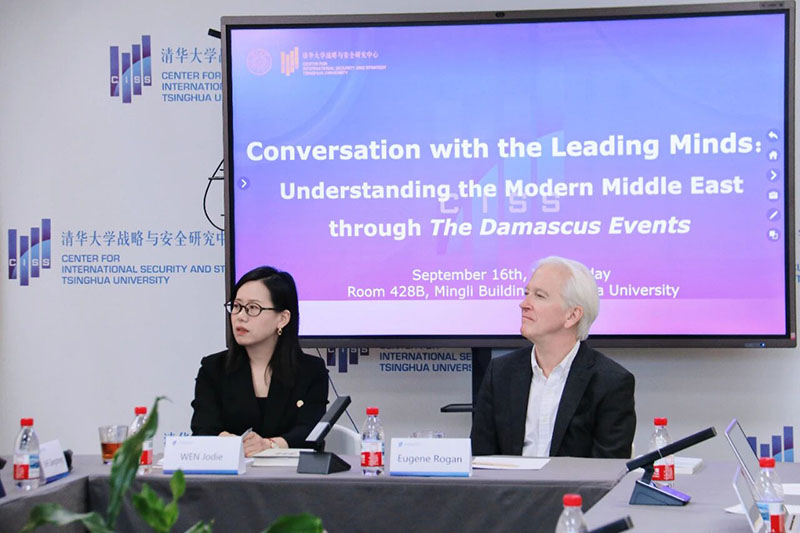
Regarding the current situation in the Middle East, Professor Rogan pointed out that wars and political turmoil in recent years have continuously undermined the foundation of stability in the Middle East, and the US-Israel-Iran conflict has caused risks to further spill over to the Gulf states. The Gulf region, once considered one of the safest and most prosperous regions in the Middle East, is now also facing challenges such as blocked energy channels, pressure on critical infrastructure, and damaged economic activities. US influence in the region is waning, but it has not truly withdrawn; at the same time, the international political and economic landscape formed after World War II is also facing pressure, and the capacity of existing multilateral mechanisms to handle wars and regional security issues is increasingly limited.
Based on his recent observations of Gulf states' dynamics, Professor Rogan stated that Gulf countries are attempting to participate in shaping the regional order as "middle powers" and are reducing their reliance on a single external force by developing diversified partnerships. However, the Gulf countries' judgments on the policies of Iran, Yemen, Israel, and the United States are inconsistent; for example, policy differences exist between Saudi Arabia and the UAE. The lack of a shared perception of threats among all parties makes it difficult for Gulf security cooperation to form a stable mechanism. Looking ahead, he believes that as the influence of traditional major powers changes, middle powers with shared interests may play a greater role. They need to build new platforms to supplement the shortcomings of current international mechanisms, and maintain international trade, financial stability, and multilateral cooperation through consultation.
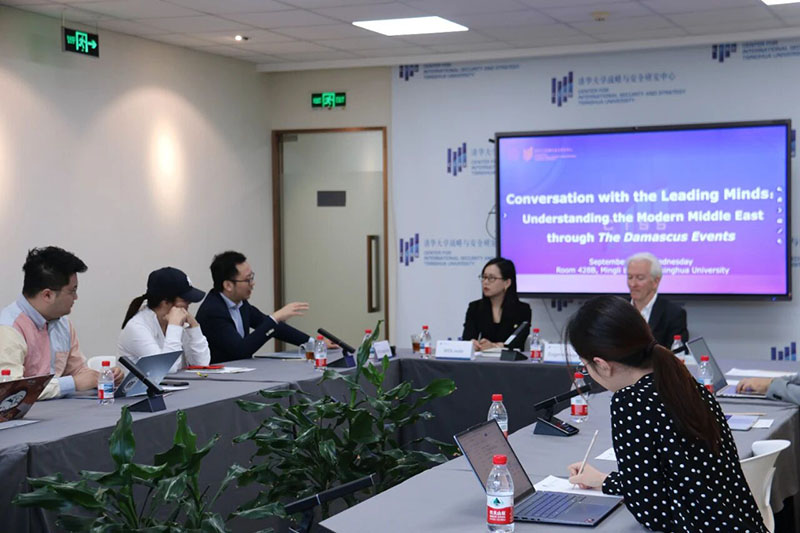
During the exchange session, drawing on her recent experience attending the Hili Forum in Abu Dhabi, Wen Jing shared various parties' observations on the Middle East situation and the transition of the regional order, echoing Professor Rogan's judgment on the evolution of the regional landscape. Centering on the contemporary significance of The Damascus Events, Associate Professor She Gangzheng noted that the phenomenon studied by Professor Rogan is not limited to the Middle East, but offers inspiration from similar situations around the world from ancient times to the present. He also discussed the cognitive differences between China and the United States on security governance issues. Professor Rogan responded that he hopes the book will provoke further reflection among Chinese readers. Military superiority does not necessarily translate into political outcomes, and relying on force to compel the other side to accept political arrangements is often accompanied by high costs and unpredictable consequences. No matter how the regional landscape changes, relevant parties will ultimately need to return to the negotiating table and establish sustainable security arrangements through political consultation. During the meeting, Liu Yitong, a doctoral student from Tsinghua University, and Zhan Yufei, a doctoral student from China Foreign Affairs University, also shared their views on issues such as Gulf security cooperation.



 2026-09-20