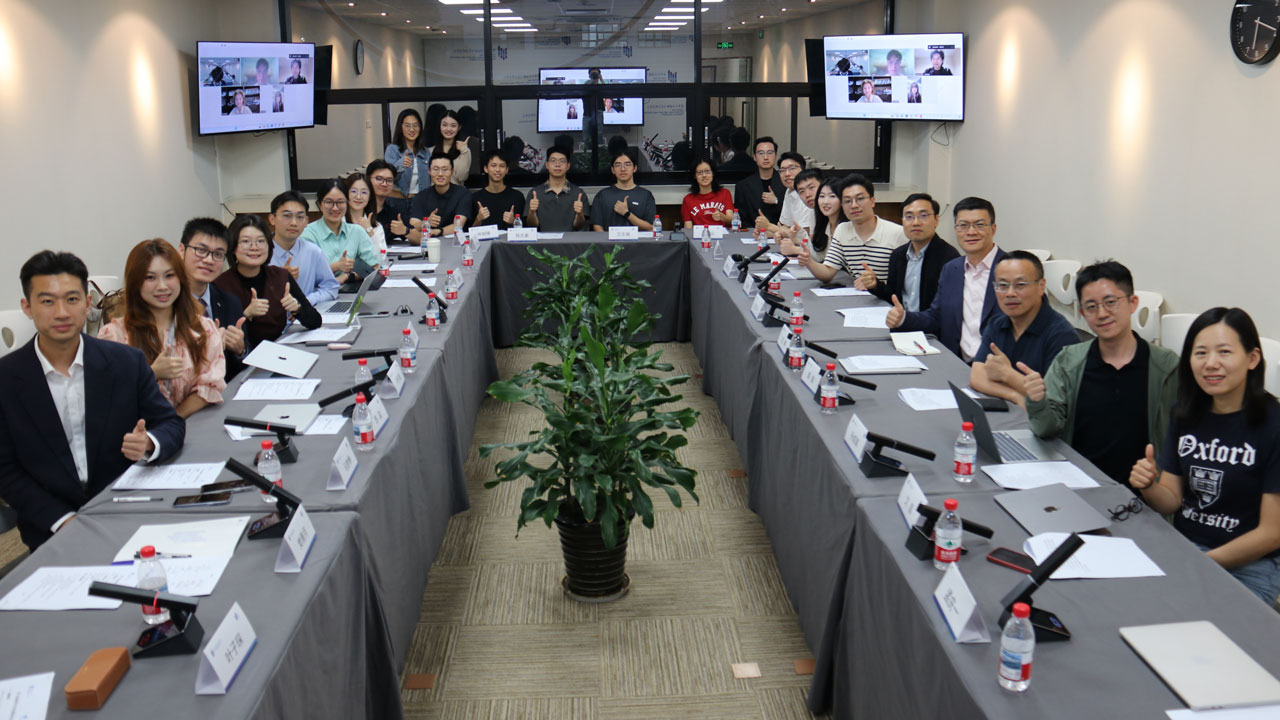
CISS Youth | The First China-U.S. Youth Leaders Dialogue and Practical Activity on Energy Transition and Green Development was held in Tangshan
From August 31 to September 4, 2026, the First China-U.S. Youth Leaders Dialogue and Practical Activities on Energy Transition and Green Development was successfully held in Tangshan, Hebei Province. The event was planned and coordinated by the Foreign Affairs Office of the Tangshan Municipal People’s Government, co-hosted by the CISS Strategic Youth program of Tsinghua University’s Center for International Security and Strategy (CISS) and the China-United States Exchange Foundation (CUSEF), and organized by Tangshan International Tourism Island Culture and Tourism Operation Management Co. Ltd. Under the theme “Toward A Green Future”, 20 Chinese and American youth representatives from Tsinghua University, Peking University, and other institutions conducted field research and exchange discussions on topics including energy transition, low-carbon industrial development, and marine ecological protection.
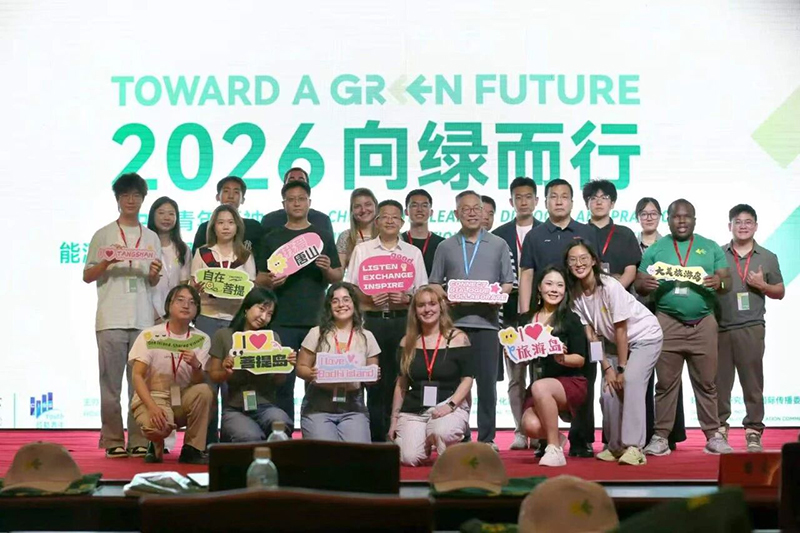
On the evening of August 31, the event held a welcome reception and an ice-breaking exchange session. James Chau, President of the China-United States Exchange Foundation, delivered remarks online, while Huang Dizhong, Vice Chairman and Secretary-General of China-United States Exchange Foundation, delivered remarks in person. Wang Congyi, Section Chief of the Foreign Affairs Office of Tangshan Municipal People’s Government, extended a warm welcome to the young representatives. The welcome reception was moderated by Fan Jingyue, Secretary-General of the sixth CISS Strategic Youth.
On September 1, Chinese and American youth representatives conducted an ecological survey on Bodhi Island, visiting areas such as the core bird protection zone and the Bodhi forest, and learning about the local coastal ecological environment through hands-on activities including beachcombing and shell collecting. Before the industrial survey, the youth representatives also held group discussions with representatives of relevant enterprises, asking questions about corporate development and green transition practices, and organizing materials and identifying key points in light of the next day’s survey content. During the discussions, enterprise representatives joined different groups, enabling the youth representatives to communicate fully around different industrial scenarios.
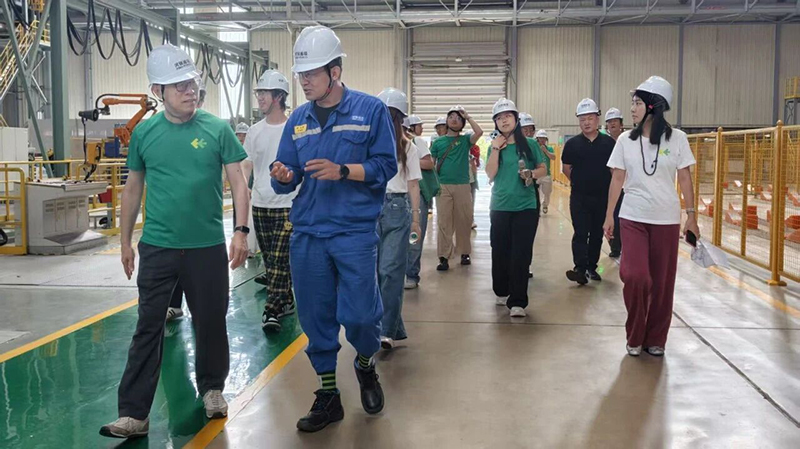
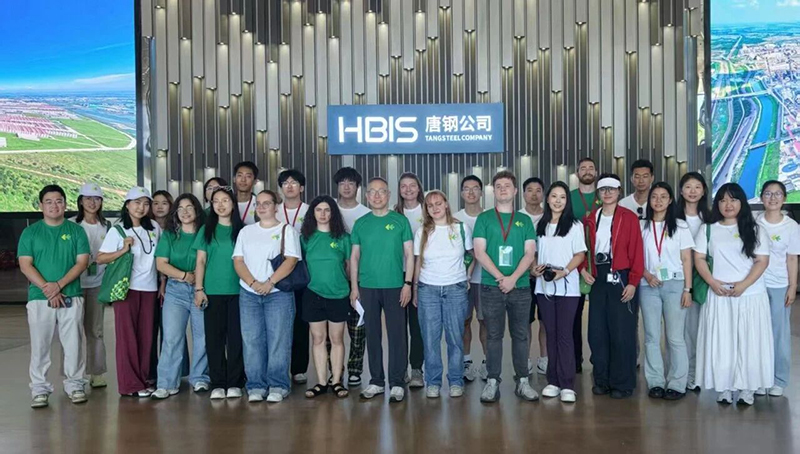
On September 2, the youth representatives went to the Tangshan Haigang Economic Development Zone to conduct industrial research, visiting Tanggang Company, Hebei Kuojiang Tower, and the smart terminal. The representatives went to production and operation frontlines to learn about the green and low-carbon transformation and digital upgrading of the steel industry, the transformation and development of traditional manufacturing, and the intelligent and green development of ports, and they exchanged views with relevant persons in charge on corporate transformation practices. Through field observations of different industrial scenarios such as steel, equipment manufacturing, and port logistics, the youth representatives further linked issues such as energy transition and green development with local industrial practices.
On September 3, Sun Chenghao, Fellow at CISS, gave a thematic sharing on related topics and engaged in exchanges with youth representatives. Drawing on observations and reflections from previous industrial research, the representatives held in-depth discussions on the practical issues of energy transition and green development from the perspectives of China-US relations, industrial policy, and global governance.
In addition to industrial research and thematic seminars, the event also arranged island ecological surveys, traditional culture experiences, and local cultural visits. The youth representatives visited Bodhi Island and Moon Island, experienced pottery making and moxa-making, visited Hetou Old Street, and enhanced mutual understanding through group activities and free exchanges.
After the five-day in-person event concluded, the project entered the stage of collating and processing research materials. From September to October 2026, the project will continue to compile the youth delegates’ research findings and group records, and plans to release the final outcome report during the Hong Kong China-US Forum in November.
Using Tangshan’s industrial development and coastal ecological conservation practices as its entry point, the event combined field research, thematic seminars, and youth exchanges to guide Chinese and American youth in in-depth dialogue on specific issues in energy transition and green development, providing a new practical platform for enhancing mutual understanding and deepening exchanges and cooperation. Huang Ying, Secretary-General of the fourth cohort of CISS Strategic Youth, and Fan Jingyue, Secretary-General of the sixth cohort, were responsible for the planning and organization of the event throughout. Ma Chubo, Secretary-General of the seventh cohort, served as the event team leader, undertaking logistics support and on-site organization.
In the future, Strategic Youth will continue to go to various parts of China, ground itself in frontline practice, and plan and organize more diverse and content-rich exchange activities. It will continue to expand platforms for dialogue and cooperation between Chinese and foreign youth and contribute youthful strength to deepening people-to-people and cultural exchanges between China and other countries in the new era and to enhancing mutual understanding and friendship among young people.


 2026-10-16