Cn
Research
2026-05-27 |
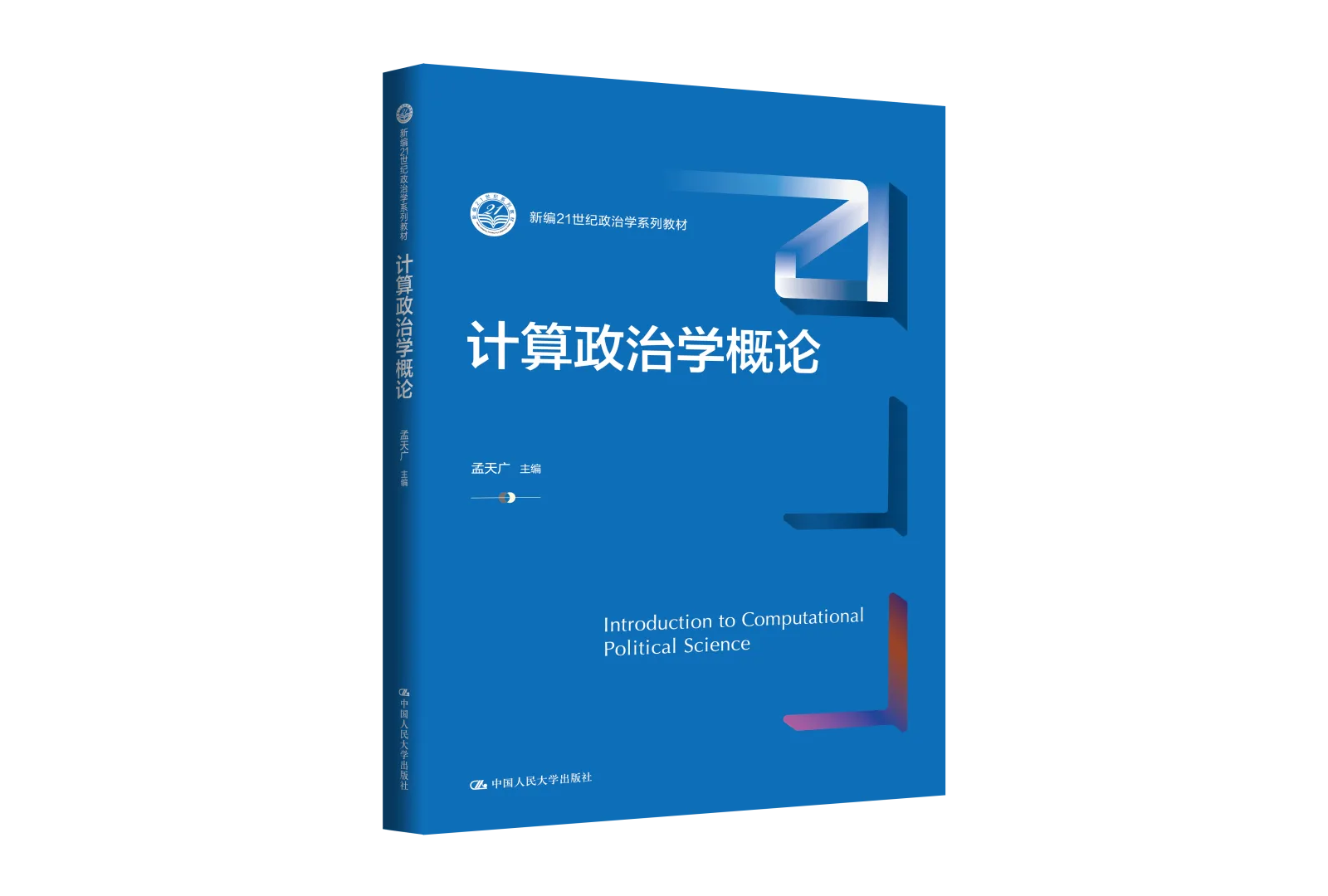
今年是哲学社会科学工作座谈会召开十周年。十年来,中国政治学知识体系经历了一场深刻的自我重塑与自主发展。当前,构建中国政治学自主知识体系已成为学界的重要使命。
2026-05-23 | 美国研究
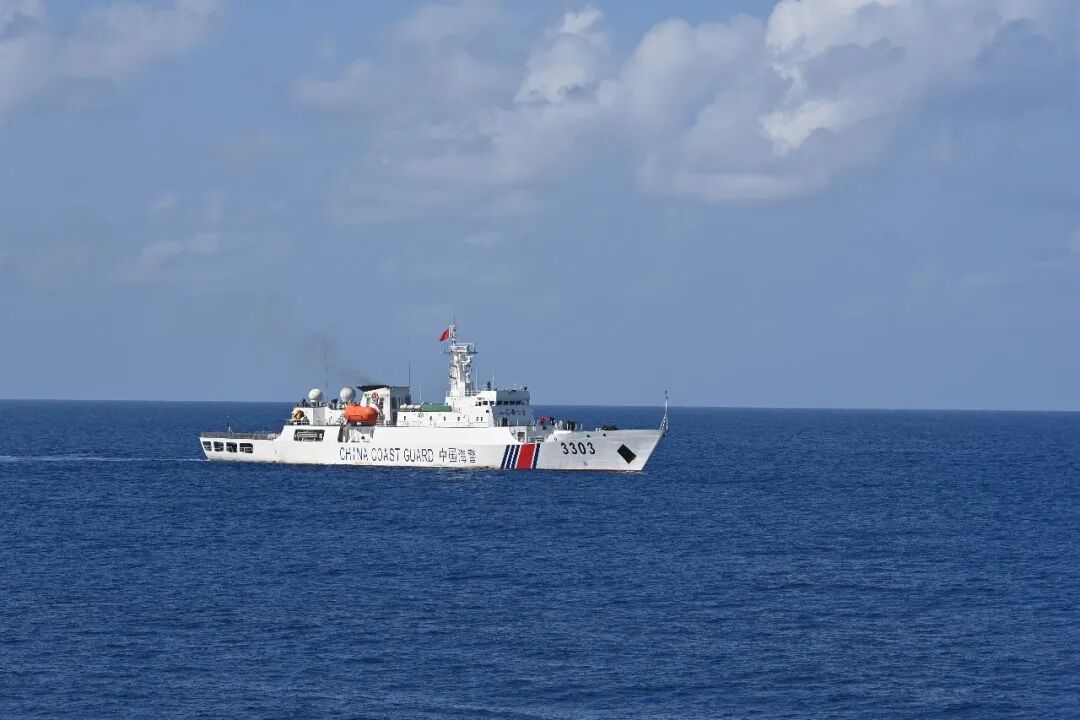
回望南海仲裁案非法裁决出炉以来的近十年间,南海争端非但没有得到妥善解决,南海局势“趋稳向好”的趋势还在一定程度上遭到干扰和破坏。南海声索国之间各类海上摩擦频繁上演,个别声索国通过单边手段固化对非法侵占岛礁的控制,并效仿菲律宾试图单方面诉诸法律手段。可以这么说,这一非法裁决已在事实上成为影响南海地区秩序构建的“拦路虎”。
2026-05-22 |
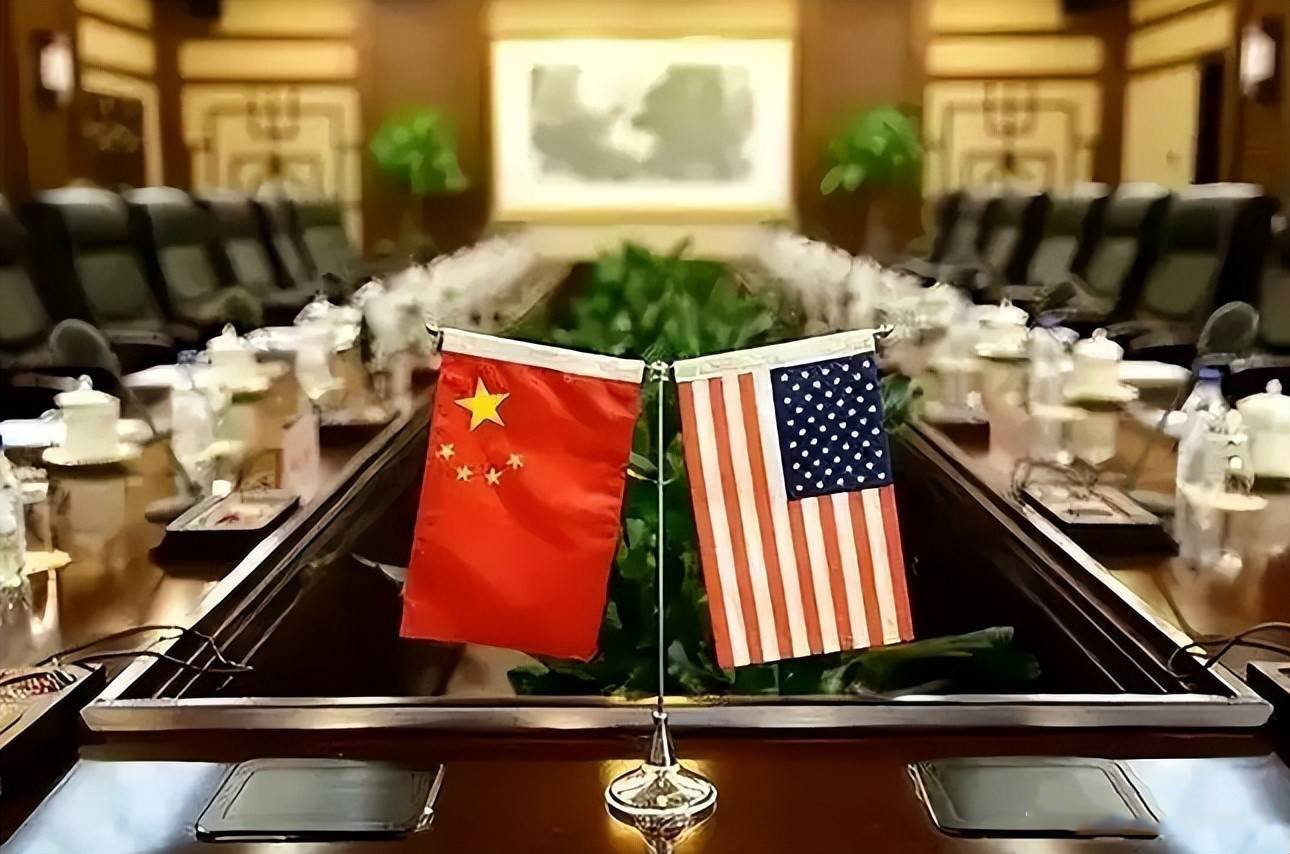
2026年5月14日,习近平总书记在会见来访的美国总统特朗普时,提出将“中美建设性战略稳定关系”作为中美关系新定位,并获得了特朗普总统的赞同以及美国白宫的正式确认。
2026-05-22 |
On May 14, 2026, during his meeting with visiting U.S. President Donald Trump, Chinese President Xi Jinping proposed defining the bilateral relationship as a “China-U.S. constructive strategic stability relationship,” a new positioning for China-U.S. relations that was endorsed by President Trump and formally confirmed by the White House.
2026-05-12 |
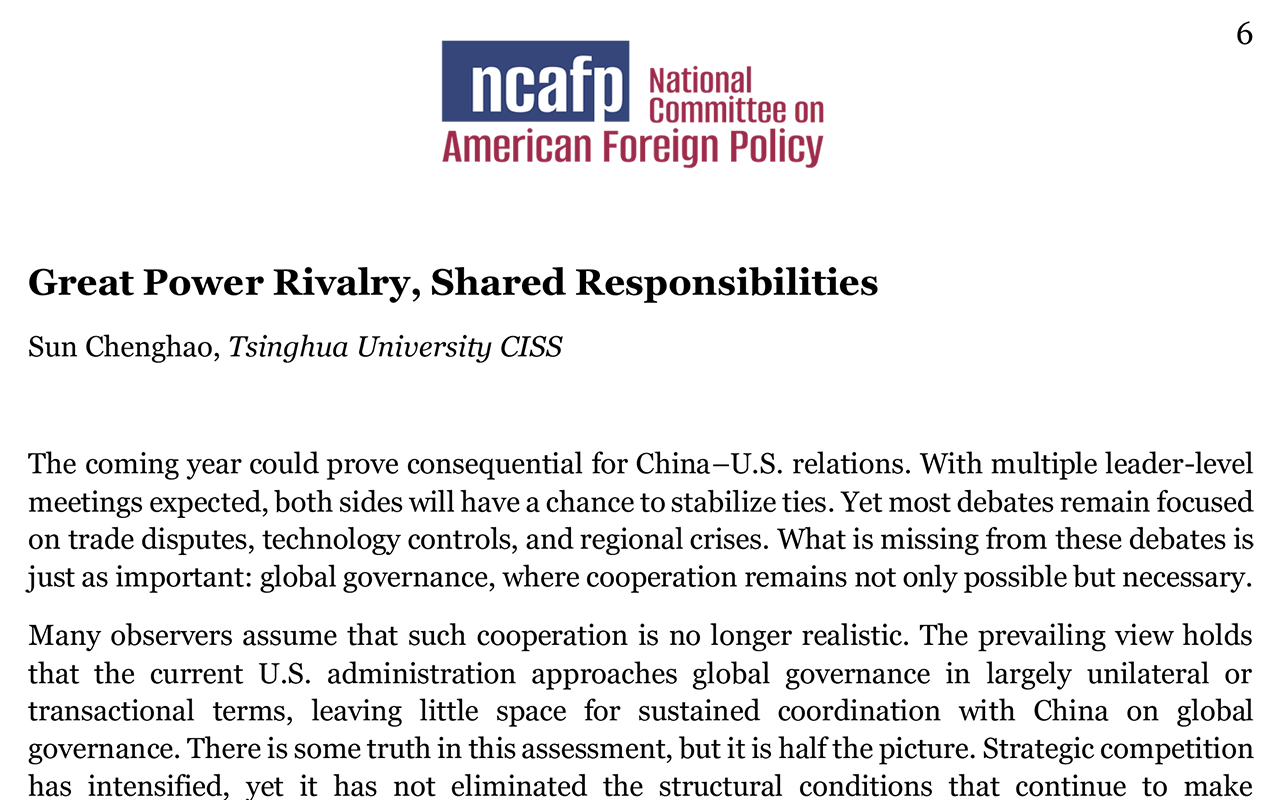
The coming year could prove consequential for China-U.S. relations. With multiple leader-levelmeetings expected, both sides will have a chance to stabilize ties. Yet most debates remain focusedon trade disputes, technology controls, and regional crises. What is missing from these debates isjust as important: global governance, where cooperation remains not only possible but necessary.
2026-05-12 |
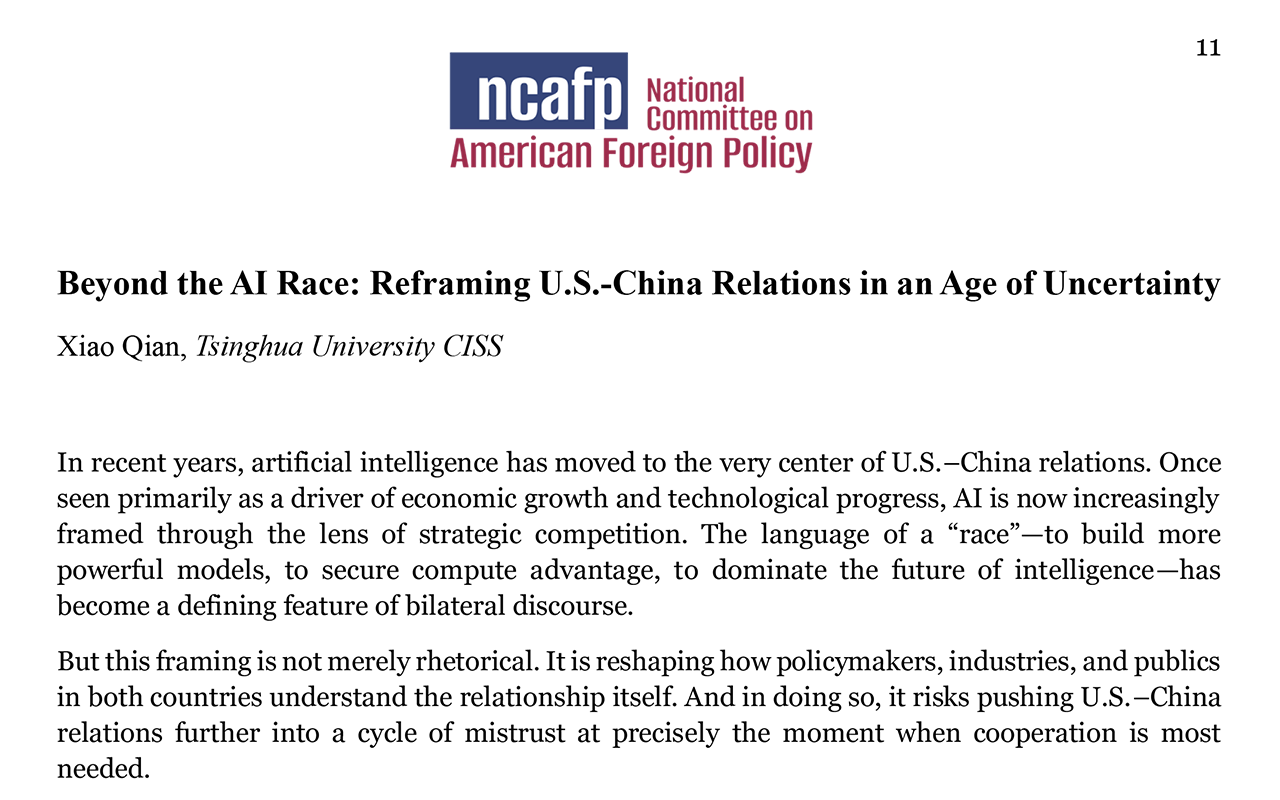
In recent years, artificial intelligence has moved to the very center of U.S.-China relations. Onceseen primarily as a driver of economic growth and technological progress, AI is now increasinglyframed through the lens of strategic competition. The language of a "race"-to build morepowerful models, to secure compute advantage, to dominate the future of intelligence-hasbecome a defining feature of bilateral discourse.
2026-05-02 |
特朗普2.0时期延续了拜登政府建设韧性国防供应链的努力,进一步加强对国防供应链的“战略控制”,强化联邦干预、简化制度流程、加强风险审查,推动构建以“印太”为前沿的全球防务产业布局。此轮政策演进由国家安全逻辑主导,受国内制造业空心化、联盟体系重组与对华战略竞争三重因素驱动。然而,特朗普2.0时期的国防供应链政策面临承包商路径依赖、制度标准分歧、战略互信缺失与产业能力不足等多重挑战,导致其政策推进受到制约。总体看,该政策虽在一定程度上提升了美国国防供应链的自主性,但也因成本攀升与系统脆弱性加剧等结构性难题,削弱了自身的可持续性,加剧盟友在产业链中的职能分化与对美依附,并推动 全球防务产业链向碎片化方向演进。
2026-05-02 |
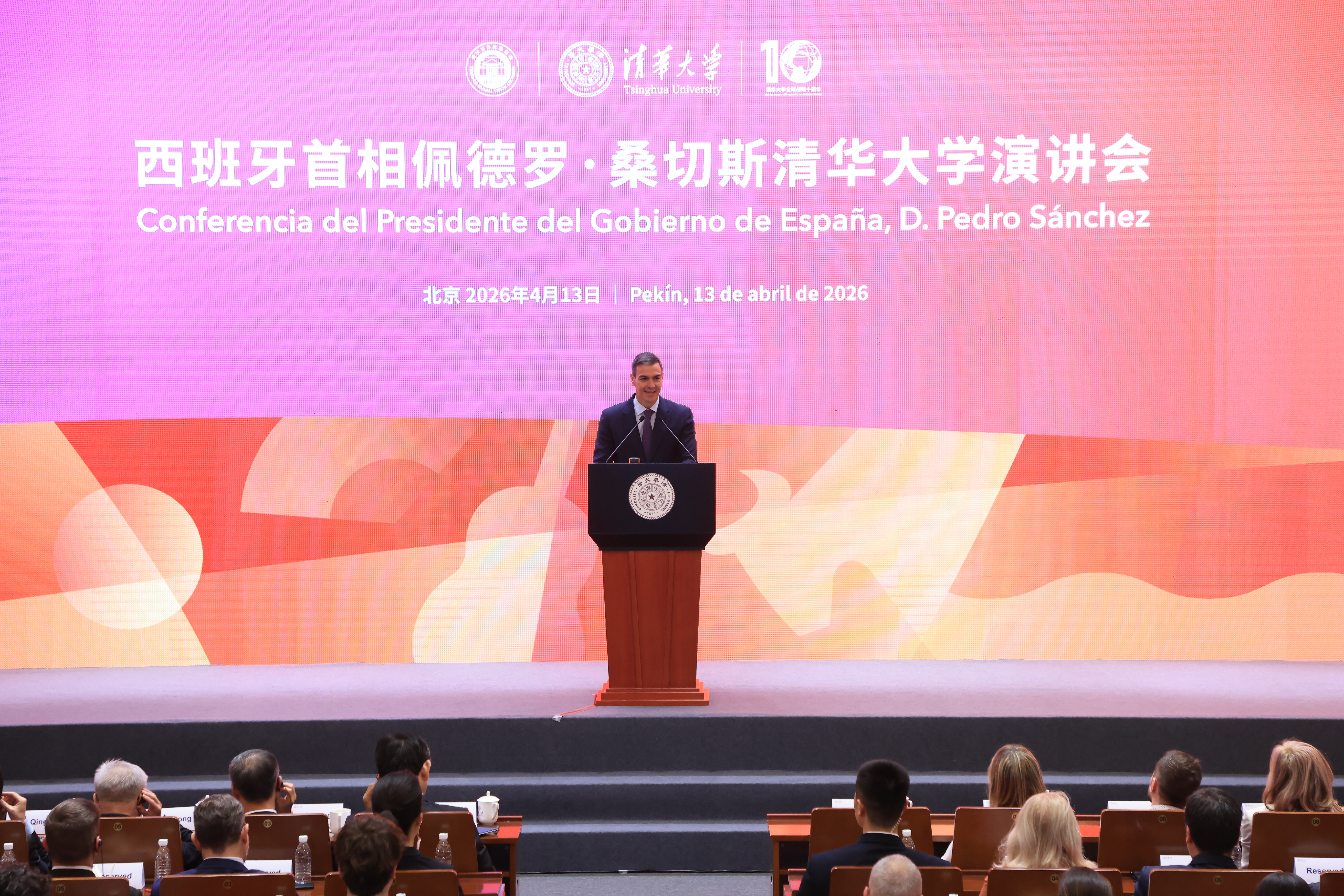
不久前,西班牙首相桑切斯访问清华大学发表演讲时提到:“科研人员在西中两国之间往来交流,令思想得以传播。我们共同构建着任何一个国家都无法独自完成的知识体系。这些合作揭示了一个非常重要的事实:合作不会削弱科学,只会让它更强。”如何让中国与欧洲国家的知识与思想流动,构筑理解与合作桥梁?本期“中欧和声”邀请中欧专家学者就此展开讨论。
2026-04-28 |
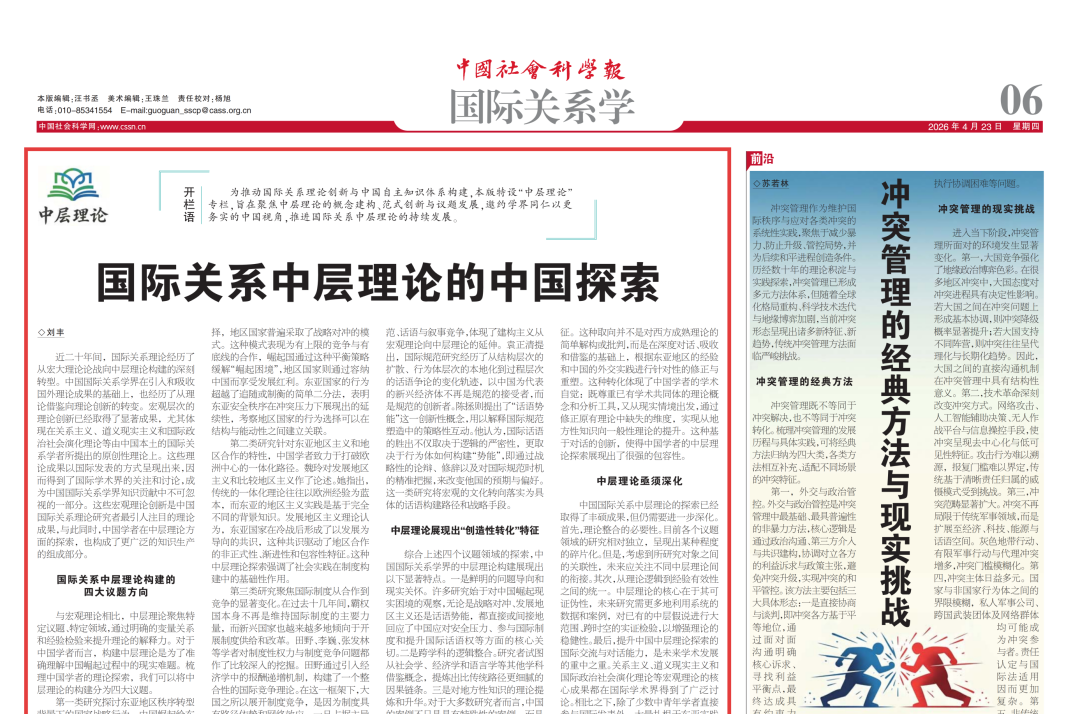
近二十年间,国际关系理论经历了从宏大理论论战向中层理论构建的深刻转型。中国国际关系学界在引入和吸收国外理论成果的基础上,也经历了从理论借鉴向理论创新的转变。宏观层次的理论创新已经取得了显著成果,尤其体现在关系主义、道义现实主义和国际政治社会演化理论等由中国本土的国际关系学者所提出的原创性理论上。这些理论成果以国际发表的方式呈现出来,因而得到了国际学术界的关注和讨论,成为中国国际关系学界知识贡献中不可忽视的一部分。这些宏观理论创新是中国国际关系理论研究者最引人注目的理论成果,与此同时,中国学者在中层理论方面的探索,也构成了更广泛的知识生产的组成部分。
2026-04-20 |
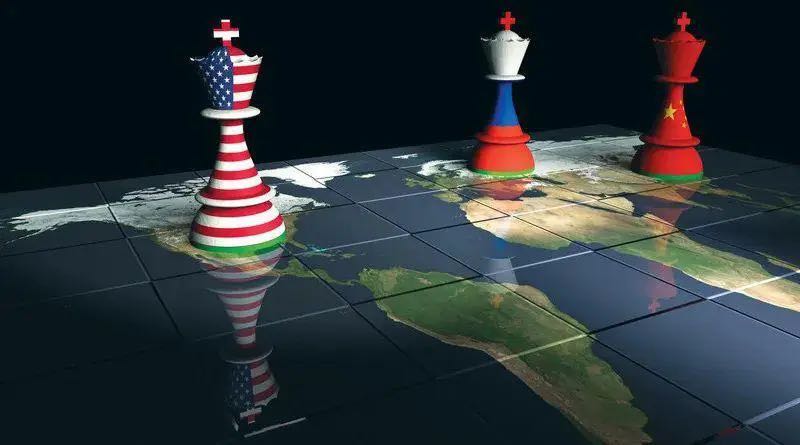
In 1969, with the Cultural Revolution raging at home andtensions rising abroad, Chinese leader Mao Zedong instructedfour elder military leaders to study the relationships between China and the world’s two superpowers. Using Mao’s theoretical framework of “contradictions,” which states that the struggle between opposing forces is what drives history forward, they posited that the contradiction between the United States and the Soviet Union was greater than that between China and the Soviet Union, which in turn was greater than that between China and the United States.
2025-10-30 |
In the repeated cycles of confrontation and detente that define U.S.-Chinese relations, a paradox has emerged. Ec0oomic relations between the two countries are more fraught than ever
2025-08-04 |
On July 29, Da Wei, Director of the Center for International Security and Strategy (CISS) at Tsinghua University, published an article titled “What Does China Want in Ukraine” on the website of Foreign Affairs. In the article, Da Wei outlined China’s principled position on the Russia-Ukraine conflict, analyzed the discussions and views within various sectors in China on the Ukraine issue, and offered his assessment of the prospects for peace as well as China’s possible role in the matter.
2025-05-06 |
Recently, the UK National Committee on China published a special feature on its official website, inviting perspectives on the topic "How Can the U.S. and China Build Trust Amid Geopolitical Tensions?" Dr. Sun Chenghao, Associate Fellow at the Center for International Security and Strategy (CISS) at Tsinghua University, and Professor Joseph Nye from Harvard Kennedy School were invited to contribute their insights.
2024-09-25 |
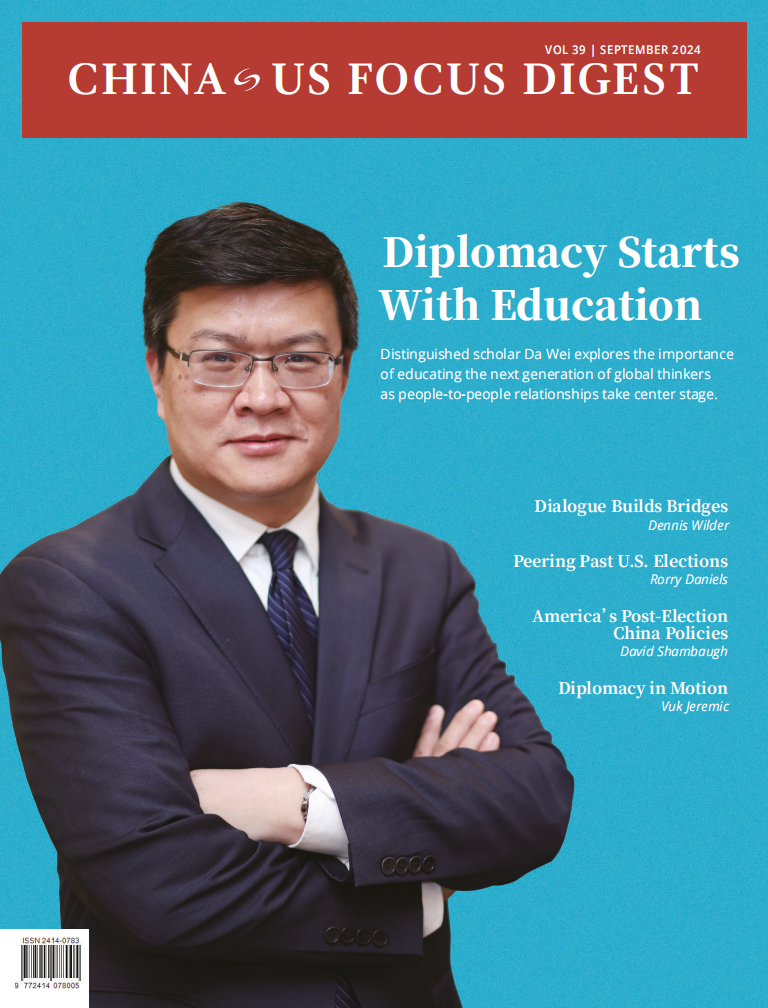
On the historic campus of Tsinghua University in Beijing, Professor Da Wei, a distinguished scholar of international relations, explores the current state of global affairs, the evolution of U.S.-China relations and the role of education in shaping future leaders with China-US Focus host James Chau. Professor Da recounts his experiences growing up in an “urban island” within rural China during the country’s reform era and discusses his current role of helping to educate the next generation of global thinkers. This interview has been lightly edited for clarity
2023-11-20 |
The China-U.S. relationship is undergoing a “thaw,” to use U.S. President Joe Biden’s term. The consecutive visits of U.S. Secretary of State Antony Blinken, Treasury Secretary Janet Yellen, Special Envoy for Climate John Kerry, and Commerce Secretary Gina Raimondo to China over the last few months are clear indicators.
2022-11-21 |
Biden’s presidency is nearly half-way over, and the first National Security Strategy by his administration was finally published. In this belated report, the Biden administration answered such key questions as how the US should view the current international landscapes, how to deal with severe challenges, and how to advance its foreign strategy and safeguard its own interests. To a certain extent, this report marks the finalized design with a focus on “great power competition” in the US national security strategy. However, it also shows that the US failed to think outside the box in response to the new international landscapes and challenges, revealing three unresolved contradictions the Biden administration made when planning its national security and foreign strategies.

2022-08-23 |
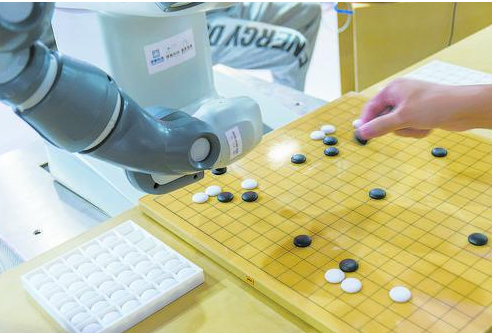
Although there is no answer about how to promote AI global governance, outstanding political wisdom and the vision of a community with a shared future for mankind are indispensable.
2022-07-19 |
The concept of “security demands” or a “security concern” may sound as if it is somehow related to spheres of influence, but security concerns are not exclusive---their most fundamental difference from spheres of influence.
2022-05-31 |
U.S. President Joe Biden took his overdue Asia tour in late May. He visited South Korea and Japan and met with South Korea’s President Yoon Suk-yeol, Japanese Prime Minister Fumio Kishida, Japanese Emperor Naruhito, India’s Prime Minister Narendra Modi and Australia’s newly minted Prime Minister Anthony Albanese. This tour was only one of many American moves in the region in the last couple of years to beef up the presence and visibility of the U.S., including but not limited to the Quad, AUKUS and the Indo-Pacific Economic Framework.
2020-10-31 | HU Bo
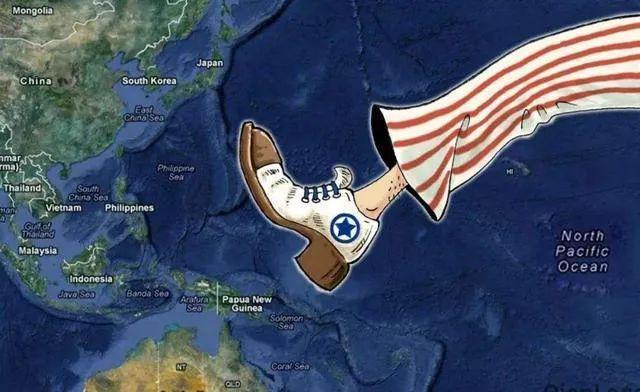
A new round of turbulence has emerged in the South China Sea since the second half of 2019. And against the backdrop of the COVID-19 pandemic, some claimants and countries outside the region have become more and more anxious, with increased military, diplomatic and economic moves, leading to greater tension. Major media are even talking about an upcoming war in the South China Sea between China and the United States. What are the factors influencing the situation in the South China Sea? What are the most likely future developments? A sober assessment is needed.
42 messages 1 2 Go Page

217 Mingzhai, Tsinghua University, Haidian District, Beijing, China (100084)